

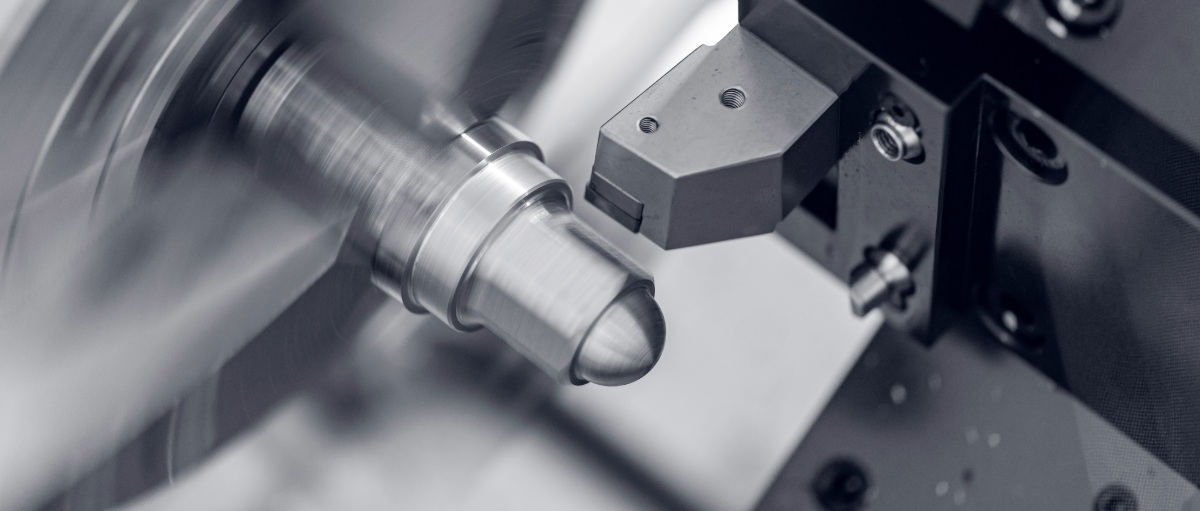
Production CNC turning in Chandler, AZ, supports repeat production for round parts where the critical turned geometry has to stay consistent from one part to the next.
Roberson Machine Company machines production CNC turned parts and replacement components for manufacturers that need dependable part-to-part results.
Learn More About
- Why manufacturers use CNC turning for production parts
- Production examples of CNC turned parts
- Production runs, repeat orders, and larger batches
- How parts move from drawing to production
- Materials used for turned components
- Related CNC work used alongside turning
- Industries that use turned production parts
- Common FAQs about production CNC turning in Chandler, AZ
Roberson Machine Company machines CNC turned parts for repeat production and replacement work. Contact us online or call 573-646-3996 to discuss production CNC turning in Chandler, AZ.

Why CNC Turning Fits Repeat Production Work
CNC turning fits production work when a part relies on round geometry and repeatable turned features. The process helps manufacturers produce the same component again and again without changing the basic part requirements.
Repeatable turned geometry
CNC turning is well suited for parts where the main geometry is round and the critical features need to stay consistent from part to part.
- Outside diameters, shoulders, and steps
- Internal bores, grooves, and mating surfaces
- Threaded features, chamfers, and turned transitions
Production efficiency
For repeat orders and production runs, CNC turning is useful when the part geometry, material, and setup can be carried from one piece to the next. That keeps the work focused on producing consistent components across the run.
Part consistency across repeat orders
CNC turning supports repeat production when each part needs to match the same requirements across the order. That matters when fit, replacement use, or assembly behavior depends on consistent turned geometry.
What Types of Parts Use Production CNC Turning in Chandler, AZ?
Production CNC turned parts are often round components used where fit, movement, spacing, fastening, or fluid control affects how an assembly works. Many rely on cylindrical and rounded forms that need to repeat consistently across the order.
- Production shafts and pin-style parts
- Bushings, sleeves, spacers, and related turned parts
- Collars, couplings, and adapters
- Threaded parts, studs, and fastener-style components
- Fluid-control parts, fittings, and valve components
- Replacement parts machined from a drawing, CAD file, sample, or defined part requirements
Examples of related work from Roberson Machine Company include drive shafts, ink rollers, valve body components, and end-of-arm robot tooling parts for production, replacement, and assembly needs.
The exact part mix depends on the material, geometry, quantity, and end-use requirements. The examples above show how turned parts can support motion, spacing, fastening, fluid control, replacement work, and production assembly needs.
How Chandler, AZ, Manufacturers Use CNC Turning for Repeat Production
CNC turning supports repeat production when the same component needs to be made, checked, and reordered without treating each request like a brand-new part. Once the part requirements and production approach are established, returning work can be easier to review and repeat.
That becomes useful when future orders need to build from established part details instead of rebuilding the work from scratch.
- Repeat orders: The same part may be needed again for maintenance, replacement use, inventory, or another run.
- Part families: Similar parts may use the same material, related turned geometry, matching fit needs, or shared production details.
- Replacement components: Worn, obsolete, or hard-to-source round parts may need to match an existing assembly, sample part, or drawing.
- Broader production machining: A turned part may also require milled features, drilled holes, inspection steps, or additional machining. Precision CNC machining helps support the larger part requirement.
Bulk Part Production and CNC Turning in Chandler, AZ
For larger production runs, CNC turning works best when the turned component can be tied to a repeatable machining approach. That can fit into broader bulk part production with CNC machining without forcing each future order to start from scratch.
- Repeat part geometry: CNC turning helps maintain repeatable turned geometry when the same part has to be produced across a larger order.
- Predictable production planning: Reviewing the order size, material needs, and inspection requirements up front can make repeat work easier to plan.
- High-volume support: High-volume CNC machining planning can help connect part requirements, material, setup, and inspection needs to the larger production goal.
- Related machining steps: Some production parts need more than turning. Milling and related CNC work can support the features that fall outside the round geometry.
Roberson Machine Company can review order quantity, timing, material needs, and critical turned features so production CNC turning in Chandler, AZ, supports the current order and future repeat work.
How Production CNC Turning Moves From Design to Finished Parts
CNC turning for production work begins with the definition of the part: Drawings, CAD models, samples, material requirements, quantities, and how the component needs to function in an assembly.
- Review the part requirements: The first step is reviewing material, quantity, turned geometry, and any requirements tied to final fit.
- Confirm the production approach: Certain parts are handled mainly through turning, while others require additional CNC processes or inspection steps.
- Machine and check the parts: Parts are then machined and checked to confirm they match the drawing, sample, or production requirements.
For repeat work, useful part information can also help support a more predictable process the next time the job comes back.
What Materials Are Used for Production CNC Turning Projects in Chandler, AZ?
Many metals and plastics can be used in CNC turning, but material choice depends on performance needs. Factors like wear, fit, corrosion resistance, weight, cost, and production quantity all influence the decision.
- Aluminum: A frequent choice for turned parts where weight, machinability, and production consistency matter. Roberson Machine Company also supports related aluminum CNC machining work.
- Stainless steel: Common for parts that must resist corrosion while maintaining strength and durability over time. Roberson Machine Company also supports related stainless steel machining.
- Carbon and alloy steels: Used for shafts, pins, bushings, collars, and other turned components where wear resistance or load capacity matters.
- Brass, bronze, and copper: Useful for selected fittings, bushings, electrical components, bearing surfaces, or parts with specific conductivity or wear needs.
- Machined plastics: Common plastic materials for turned parts include Delrin, nylon, PEEK, and HDPE for insulating or lightweight applications.
The chosen material affects machining behavior, wear characteristics, fit, and overall performance in the final assembly. Roberson Machine Company can review the part requirements, material callout, production quantity, and related common materials used in CNC machining before machining.
What Other CNC Methods Work With Turning?
Turning is often part of a multi-step machining workflow. After initial round features are produced, components may be finished using other CNC methods to meet full part requirements.
Turning first: Diameters, shoulders, grooves, bores, threads, and other round features.
Supporting operations: CNC milling for flats or pockets, Wire EDM for slots or specific profiles, and 5-axis machining or multi-axis machining for features that require multiple access angles.
The goal is not to force every part into a single process, but to select the machining path that matches geometry, material, quantity, and final assembly needs.
Industries That Use Production CNC Turned Parts in Chandler, AZ
CNC turned parts are used across industries where round components, replacement parts, tooling elements, and assembly hardware must be produced consistently. The industry varies, but the need for repeatable fit stays the same.
Aerospace and automotive applications
Production turned components like shafts, bushings, collars, spacers, and tooling parts are used where fit and motion must stay consistent across assemblies.
Medical device and instrumentation work
Medical and instrumentation work often relies on clean turned features and consistent geometry for instruments, valves, and precision support components.
Automation & robotics applications
Automation systems often rely on repeatable turned components for motion systems, fixtures, tooling, adapters, end-of-arm tooling, and parts that must locate or move consistently.
Packaging and manufacturing equipment
Packaging systems may use rollers, shafts, spacers, wear parts, and replacement components that need to fit existing equipment and hold up during repeated production cycles.
Oil and energy operations
These environments use turned parts for pumps, valves, fittings, and replacement components that must hold up in demanding service conditions.
Roberson Machine Company’s turning projects are driven by part requirements—round geometry, repeatable features, material fit, and reliable performance inside assemblies.

Common FAQs About Production CNC Turning in Chandler, AZ
Customers often ask whether CNC turning is the right fit for a part, what details are needed for quoting, and how the process supports repeat production. These FAQs address materials, geometry, replacement parts, bulk orders, and related machining methods.
What information is needed to quote CNC turning in Chandler, AZ?
Most quotes begin with a drawing, CAD file, or sample, plus material, quantity, and key part requirements.
Helpful quoting details include:
- Drawings, models, or physical samples
- Material selection and callout
- Key diameters, threads, bores, grooves, shoulders, or mating surfaces
- Quantity requirements and repeat orders
- Inspection, finishing, or documentation requirements
Even if every detail is not finalized, early review can help determine whether CNC turning should handle the main part geometry or whether the part also needs milling, drilling, inspection, or other machining steps.
When is CNC turning the right choice for a part?
This process is commonly used for round parts that require repeatable features such as:
- Machined features including diameters, threads, bores, grooves, shoulders, and tapers
- Mechanical components: shafts, pins, bushings, sleeves, spacers, and collars
- Parts like couplings, rollers, fittings, and replacement components
CNC turning is most effective when round geometry drives performance such as fit, motion, spacing, sealing, or fastening.
What materials can be used for CNC turning?
CNC turning can be used with many metals and plastics, including:
- Aluminum, stainless steel, carbon steel, and alloy steel
- Brass, bronze, copper, and other machinable metals
- Delrin, nylon, PEEK, HDPE, and other machinable plastics
The right material depends on the part’s fit, wear needs, corrosion resistance, weight, cost, quantity, and end-use environment.
Can CNC turning support bulk production or repeat orders?
CNC turning supports bulk and repeat work when the part design, material, quantity, and inspection needs allow for a consistent setup.
For repeat orders, having prior part data helps future jobs move more smoothly through quoting, scheduling, and production.
What drives CNC turning requirements in Chandler, AZ?
CNC turning decisions usually depend on material, quantity, geometry, fit requirements, inspection expectations, and whether the part will be reordered.
Drawings, CAD files, samples, and material specifications help define what needs to be produced and checked.
When does CNC turning require other machining processes?
Turning alone is not always enough. Parts may also require milling, drilling, Wire EDM, 5-axis machining, inspection, or deburring when the design includes non-round features or multiple faces.
The machining approach is determined by reviewing geometry, material, quantity, and how the part fits into the final assembly.
Can CNC turning produce replacement parts?
Yes. CNC turning can help recreate worn, obsolete, or hard-to-source round components when there is enough information to understand the original geometry and how the part fits into the assembly.
Providing a drawing, CAD model, sample, or fit requirement helps confirm whether turning is the right process for the replacement component.
What impacts the cost of CNC turning?
Pricing is affected by material, complexity, quantity, setup, inspection requirements, secondary processes, and delivery timing. Simple parts and complex multi-operation parts are not costed the same way.
Cost is best evaluated by reviewing requirements like material, quantity, and part details before machining starts.
Work With Roberson Machine Company for Chandler, AZ, Production CNC Turning
We support CNC turned parts that require repeatable geometry, reliable fit, and a clear path from requirements to production components.
Turning for repeatable round features
Reviewing turned features helps ensure consistent fit across diameters, bores, shoulders, grooves, threads, and mating surfaces.
Support for production runs and recurring orders
Turned parts often need to come back the same way for repeat orders, replacement work, inventory needs, or larger part runs. Roberson Machine Company works with components where part-to-part consistency matters over time.
Review from drawing, CAD file, sample, or part requirements
Provide drawings, CAD models, samples, and production requirements so we can evaluate the machining path and requirements.
Related services and machining capabilities include:
- Automated CNC Milling Machine
- Plastic Machining
- Laser Engraving
- Wire EDM Parts
- Lathe Machine
- Precision Stainless Steel Machining
- CNC Lathe Machining
- Custom CNC Machining for Part Production
- CNC Machine Automation
- Oil and Gas Precision Machining
We support CNC turned parts that depend on repeatable geometry, practical planning, and consistent results from part to part. Learn more about how CNC turning can help your business, or contact us online to discuss production CNC turning in Chandler, AZ. You can also call 573-646-3996.