

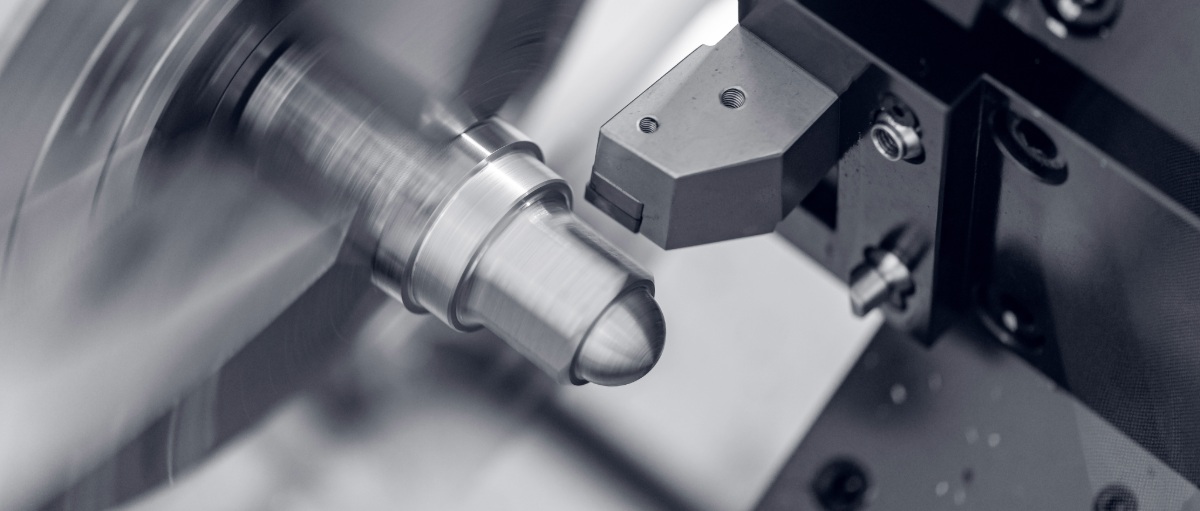
Production CNC turning in Kansas City, MO, is a practical fit for production runs involving round parts that require repeatable turned geometry, clean feature transitions, and consistent part-to-part results.
At Roberson Machine Company, we machine CNC turned parts for production orders, replacement components, and repeat work where part-to-part consistency matters.
Learn More About
- Where CNC turning helps with production parts
- Parts commonly made with CNC turning
- Planning production runs and repeat orders
- How turned parts move into production
- Material considerations for turned components
- CNC methods used alongside turning
- Industries that rely on turned production parts
- Common questions and FAQs about production CNC turning in Kansas City, MO
If you need CNC turned parts for repeat production or replacement work, contact us online or call 573-646-3996 to discuss production CNC turning in Kansas City, MO, with Roberson Machine Company.

Why Manufacturers Use CNC Turning for Production Parts
CNC turning fits production work when a part relies on round geometry and repeatable turned features. The process helps manufacturers produce the same component again and again without changing the basic part requirements.
Consistent round geometry
Turning works best when the part’s main features are controlled by rotation, diameter, and concentric relationships.
- OD features and shoulders
- Bore work, grooves, and mating features
- Threads, edge breaks, and related turned geometry
Efficient CNC turning runs
CNC turning supports production efficiency when the part shape fits the process and the requirements are clear before the run begins. Once the setup is established, the same component can be machined repeatedly with consistent expectations.
Consistent parts across the run
Production turning helps when a manufacturer needs consistent results across multiple parts, especially when turned geometry affects future orders, replacement use, or assembled components.
What Are Common Production CNC Turned Parts in Kansas City, MO?
In production work, CNC turning is often used for round components that have to fit, move, fasten, space, or control flow inside an assembly. Those parts often depend on cylindrical and rounded forms that stay consistent across the order.
- Shafts, pins, rollers, and similar round parts
- Bushings, sleeves, and spacers
- Collars and couplings used in mechanical assemblies
- Studs and other threaded production components
- Fittings and valve components used in fluid-control assemblies
- Replacement components made from a drawing, CAD file, sample, or part requirements
Roberson Machine Company has machined related components for different production needs, including drive shafts, ink rollers, valve body components, and end-of-arm robot tooling parts.
Material choice, part geometry, order volume, and end use all affect which parts make sense for production CNC turning. These examples show how turned parts can fit into production assemblies, replacement needs, motion-related components, fastening points, and fluid-control applications.
How CNC Turning in Kansas City, MO, Supports Production Runs and Repeat Orders
For production runs, CNC turning gives manufacturers a practical path for making the same turned component repeatedly. Once the part requirements are established, later orders can be reviewed against the known production approach.
That matters for repeat work because the next order should not have to rediscover the same part requirements all over again.
- Repeat orders: The same part may be needed again for maintenance, replacement use, inventory, or another run.
- Part families: Similar parts may use the same material, related turned geometry, matching fit needs, or shared production details.
- Replacement components: Worn or unavailable turned parts may need to be recreated around the assembly they fit, the sample provided, or the part requirements on hand.
- Broader production machining: When a turned component also needs milling, drilled features, inspection, or related work, precision CNC machining helps connect the turned part to the larger machining requirement.
Bulk Production CNC Turning in Kansas City, MO, for Larger Part Runs
Bulk turning work is easier to manage when the part, material, and machining path are reviewed as part of a repeatable process. CNC turning can support broader bulk part production with CNC machining when the same component needs to be produced across a larger run.
- Repeat part geometry: Turned diameters, bores, shoulders, grooves, threads, and mating surfaces can be produced consistently across a run.
- Predictable production planning: Quantities, material requirements, and inspection needs can be reviewed up front so returning orders are easier to schedule and quote.
- High-volume support: Larger production runs may need high-volume CNC machining planning so part requirements, material, setup, and inspection needs are reviewed together.
- Related machining steps: CNC turning can handle the round geometry while CNC milling for high-volume production parts supports non-round features on the same component.
Roberson Machine Company can review the production quantity, schedule, material requirements, and turned-feature details before the work moves forward, helping Kansas City, MO, production CNC turning support both immediate and returning part needs.
How CNC Turning Turns Drawings Into Production Parts
Production CNC turning usually starts with the information needed to make the part repeatable: A drawing, CAD file, sample part, material requirement, quantity, or notes about how the finished component needs to fit into an assembly.
- Review the part requirements: The first step is reviewing material, quantity, turned geometry, and any requirements tied to final fit.
- Confirm the production approach: The approach is confirmed based on whether the part needs turning only or multiple machining processes.
- Machine and check the parts: Once set, the job moves into machining and inspection to verify conformance to requirements.
That same information helps future repeat work run more predictably when the job comes back.
What Materials Are Selected for Production CNC Turning in Kansas City, MO?
Different metals and plastics can be turned, but material selection is driven by how the part will be used. Wear, fit, corrosion resistance, weight, cost, and production needs all factor into the decision.
- Aluminum: Common for turned parts that require low weight, strong machinability, and consistent production behavior. Roberson Machine Company also supports related aluminum CNC machining work.
- Stainless steel: Used in demanding environments where corrosion resistance and part longevity are important. Roberson Machine Company also supports related stainless steel machining.
- Carbon and alloy steels: Selected for parts requiring wear resistance, strength, and reliable mechanical performance.
- Brass, bronze, and copper: A common choice for specialized turned parts needing conductivity, wear resistance, or low-friction behavior.
- Machined plastics: Used for lightweight or specialty turned components where friction, insulation, or chemical resistance matters.
The chosen material affects machining behavior, wear characteristics, fit, and overall performance in the final assembly. Roberson Machine Company can review the part requirements, material callout, production quantity, and related common materials used in CNC machining before machining.
What CNC Machining Methods Are Used Alongside Turning?
Many production turned parts require additional machining after the turning stage. Once round geometry is complete, the part may move into other CNC processes for added features or checks.
Turning first: Round features such as diameters, shoulders, grooves, bores, threads, and related geometry.
Supporting operations: Secondary operations may include CNC milling for flats and pockets, Wire EDM for tight slots or profiles, and 5-axis or multi-axis machining when geometry requires multiple directions.
The goal is to choose the most appropriate process based on geometry, material, quantity, and end-use requirements.
Industries That Rely on CNC Turned Parts in Kansas City, MO
CNC turned parts are used across industries where round components, replacement parts, tooling elements, and assembly hardware must be produced consistently. The industry varies, but the need for repeatable fit stays the same.
Aerospace and automotive industries
These applications rely on turned components like shafts, bushings, collars, spacers, and tooling details where consistent fit and repeat production are important.
Medical and instrumentation
Instrumentation and medical parts may need tight control of turned geometry, material selection, and repeatability for small assemblies and device components.
Robotics and automation manufacturing
Automation systems often rely on repeatable turned components for motion systems, fixtures, tooling, adapters, end-of-arm tooling, and parts that must locate or move consistently.
Packaging systems and production machinery
These systems commonly use rollers, shafts, spacers, and replacement parts designed to fit existing equipment and handle repeated operation.
Oil, gas, and energy industry
Turned components support pumps, valves, fittings, and replacement parts used in demanding service conditions where reliability and fit matter.
Roberson Machine Company’s turning work is usually less about one named industry and more about the part requirement: round geometry, repeatable features, material fit, and a component that needs to perform inside a larger assembly.

Production CNC Turning Questions and FAQs in Kansas City, MO
These FAQs explain common CNC turning questions around fit, quoting requirements, and repeat production, including materials, part geometry, replacement components, bulk orders, and related machining work.
How do you quote production CNC turned parts in Kansas City, MO?
A drawing, CAD file, or sample part is typically the best starting point. Material, quantity, fit requirements, key turned features, timing, and inspection needs help define the production approach.
Helpful quoting details include:
- Drawings, models, or physical samples
- Material requirements and callouts
- Critical turned features like diameters, threads, bores, grooves, and shoulders
- Order quantity and expected repeat demand
- Quality checks, finishing, or documentation requirements
Even early-stage information can help define whether turning alone is enough or if other machining steps are required.
What parts should be made with CNC turning?
CNC turning is usually a good fit for round parts with repeatable features such as:
- Turned geometry such as diameters, threads, bores, grooves, shoulders, and tapers
- Mechanical components: shafts, pins, bushings, sleeves, spacers, and collars
- Mechanical couplings, rollers, fittings, and replacement components
CNC turning is most effective when round geometry drives performance such as fit, motion, spacing, sealing, or fastening.
CNC turning material options
CNC turning supports a wide range of metals and plastics, including:
- Aluminum, stainless steel, carbon steel, and alloy steel
- Brass, bronze, copper, and other machinable metals
- Delrin, nylon, PEEK, HDPE, and other machinable plastics
The right material depends on the part’s fit, wear needs, corrosion resistance, weight, cost, quantity, and end-use environment.
Can CNC turning be used for production runs and repeat work?
Yes. CNC turning can support larger part runs, recurring orders, and replacement components when the part geometry, material, quantity, and inspection requirements make sense for a repeatable machining setup.
When parts return for additional orders, existing information helps streamline review, quoting, scheduling, and machining.
What drives CNC turning requirements in Kansas City, MO?
Production CNC turning is driven by material, quantity, turned features, fit requirements, inspection expectations, and repeat order likelihood.
These inputs help define what is machined, how it is checked, and what needs to be repeated in production.
When is additional machining required after turning?
Some parts require more than turning. A turned component may also need CNC milling, drilling, Wire EDM, 5-axis machining, inspection, deburring, or other secondary processes when additional features are required.
A full review of the part helps determine which machining methods fit the geometry, material, quantity, and final assembly requirements.
Is CNC turning used for replacement components?
CNC turning is often used to reproduce worn or unavailable round parts when sufficient information exists about geometry and fit.
These inputs help determine whether the replacement part can be reproduced through CNC turning based on geometry and fit requirements.
What drives pricing for production CNC turning?
CNC turning cost is influenced by material selection, order quantity, part geometry, required features, setup time, inspection requirements, and any secondary machining operations.
A clear cost picture comes from early review of part requirements, production quantity, material, and repeat order potential.
Production CNC Turning Support in Kansas City, MO From Roberson Machine Company
Roberson Machine Company provides CNC turning for production parts where repeatable geometry and consistent fit are required.
Turning for repeatable round features
We review turned features such as diameters, bores, shoulders, grooves, threads, mating surfaces, and other details that impact fit across production runs.
Support for production runs and recurring orders
Production CNC turning often supports repeat work, replacement needs, and larger runs where consistency across orders matters.
Review from drawing, CAD file, sample, or part requirements
We can review drawings, CAD files, samples, material requirements, quantities, fit details, inspection needs, and repeat-order expectations to clarify the machining approach.
Related CNC machining capabilities include:
- Automated CNC Milling Machine
- Plastic Machining
- Laser Engraving
- Wire EDM Parts
- Lathe Machine
- Precision Stainless Steel Machining
- CNC Lathe Machining
- Custom CNC Machining for Part Production
- CNC Machine Automation
- Oil and Gas Precision Machining
Manufacturers work with us to source CNC turned parts that require consistent geometry and reliable production planning. Learn more about how CNC turning can help your business, or contact us online to discuss production CNC turning in Kansas City, MO. You can also call 573-646-3996.