Automation in CNC means taking repeatable steps around the machining process and letting equipment handle them instead of requiring an operator to do each one by hand. Those manual steps can include loading parts, checking dimensions, or starting another programmed cycle.
The point is not to remove people from the CNC process. It is to reduce repetitive handling and unnecessary stops so machinists can spend more time on setup, inspection, troubleshooting, and work that actually requires judgment.
In this article:
- Which CNC machining tasks are practical to automate
- How automation changes machine time, operator roles, and repeat production
- What equipment supports CNC automation
- How single-task, machine-level, and connected automation differ
- Answers to common questions about CNC automation
At Roberson Machine Company, CNC automation is used where repeatable handling and machine functions can support the production plan. That can include automated CNC milling for parts and runs that benefit from fewer manual stops.
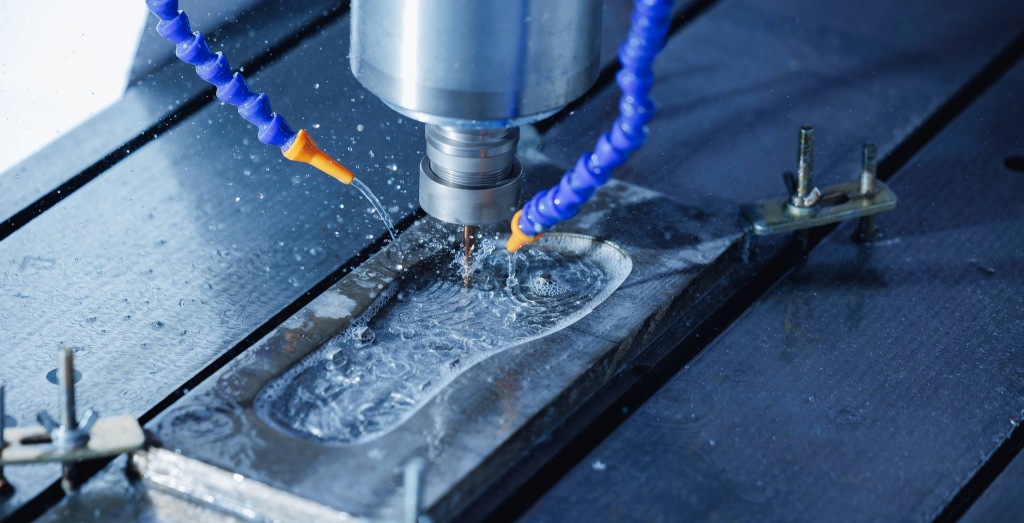
What CNC Machining Tasks Are Practical to Automate?
Automation works best on CNC tasks that repeat in a predictable way. Steps that depend on changing conditions, troubleshooting, or operator judgment are usually harder to hand off completely.
| CNC Task | Automation Fit | Why |
|---|---|---|
| Loading and unloading parts | Common | Parts can be loaded and removed between cycles through robotic machine tending instead of requiring the same manual handling each time. |
| Pallet and workpiece movement | Common | Defined positions and repeatable movements make material transfer easier to automate. |
| Tool changes and cycle starts | Common | Programmed machine functions can move through established steps without an operator restarting each operation. |
| Probing and selected inspection | Often practical | Programmed checks can confirm position or selected dimensions during production. Manufacturing automation can also extend to inspection systems that check parts without requiring the same manual step each cycle. |
| Initial setup and process development | Usually operator-led | Fixture decisions, tooling, offsets, and process adjustments often require experience and judgment. |
| Troubleshooting and changing work | Usually operator-led | Unexpected tool behavior, unusual part conditions, and prototype machining that changes between revisions may require decisions outside the programmed routine. |
What Changes When CNC Machining Is Automated?
Automation changes CNC production by reducing downtime between repeatable steps and allowing established jobs to run for longer periods with less routine attention. Machines running stable processes can spend less time waiting between operations and more time moving through production.
- More cutting time: Machines can spend less time waiting between completed parts or operations.
- Longer production windows: Stable jobs may continue through breaks, shift changes, or periods of limited supervision.
- More predictable repeat work: Programs, workholding, tooling, and automated routines can be reused when the same part returns.
- Different production planning: Tool life, material supply, inspection, and monitoring become more important when a machine is expected to run longer without interruption.
Longer automated cycles still depend on skilled machinists when programming, tolerances, tool wear, or unexpected conditions require a decision outside the normal routine. CNC automation changes the operator’s role rather than eliminating the need for that expertise.
What Equipment Is Used to Automate CNC Machining?
The equipment used for CNC automation depends on where manual handling or machine stops occur in the production cycle. Robotics, pallet systems, tool changers, probing systems, and material-handling equipment can each automate a different step.
Robots Handle the Repetition
Robotic machine tending can take over repeated handling between machining cycles.
- Load and unload parts
- Move workpieces or pallets into position
- Transfer finished parts to the next step
Pallet Systems Keep Work Moving
Pallet changers let workpieces be prepared outside the cutting area and moved into the machine as production continues. This can reduce the time the machine sits idle between setups.
Tool Changes Stay Inside the Program
Automatic tool changers let the machine switch cutting tools during a programmed cycle instead of stopping for each change.
Probes Check the Part Inside the Machine
On-machine probing can verify workpiece position, offsets, or selected dimensions while the part is still fixtured. Some probing systems can use those measurements to respond to changes during machining.
Handling and Monitoring Extend the Cycle
Bar feeders, conveyors, sensors, and monitoring systems can keep material moving and alert operators when the process needs attention.
How Does CNC Automation Work?
CNC automation works by assigning repeatable production functions to programmed machines or supporting equipment so they can continue with less routine operator involvement. How far that automation goes depends on the job and the production system around it.
- Single-task automation: One function is automated while most of the machining process remains operator-led.
- Machine-level automation: Several programmed functions work together so more of the machining cycle can continue without manual intervention between each step.
- Connected automation: CNC machines, robotics, inspection, and material handling operate together as part of a larger production cell.
The difference is scope. CNC automation may address one repeatable task, several machine functions, or a larger connected production cell.
FAQs About CNC Automation
Does CNC automation replace machinists?
No. CNC automation shifts repetitive handling and cycle tasks away from machinists. Setup, programming, inspection, troubleshooting, and changes outside the programmed routine still require skilled decisions.
Can an existing CNC machine be automated?
Some existing CNC machines can be paired with robotic tending, pallet systems, probing, material handling, or other automation equipment. The options depend on the machine, controls, available space, part requirements, and production goals.
What kinds of CNC machines can be automated?
Several types of CNC equipment can use automation when the machine, part, and production process support repeatable operation:
Is CNC automation only useful for high-volume production?
No. Higher volumes may make automation easier to justify, but recurring moderate-volume work can also benefit when the same handling and machining steps repeat. Frequently changing or one-off work may leave fewer tasks worth automating.
Can CNC machines run unattended?
Some CNC processes can run unattended for limited periods when workholding, tooling, material supply, monitoring, and inspection are stable. More complex or unpredictable jobs may still require regular operator attention.
Talk to Roberson Machine Company About CNC Automation
CNC automation should fit the part, production volume, and existing machining process. Roberson Machine Company can help evaluate where automation for handling, inspection, or other production tasks may reduce routine stops or manual work.
Request a quote online or call 573-646-3996 to discuss your CNC automation and production needs.