

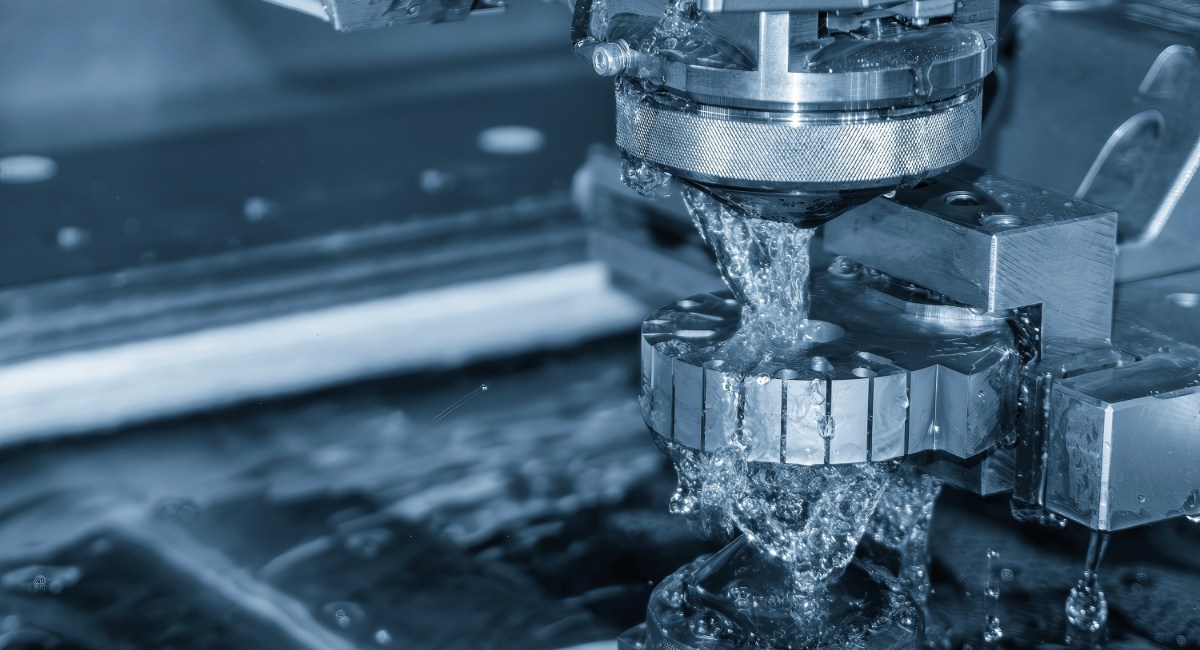
Provo, UT, wire EDM parts are precision components made with Electric Discharge Machining when conductive metal parts need clean cutouts, narrow slots, internal profiles, or accurate through-cuts.
At Roberson Machine Company, we machine wire EDM parts for tooling, replacement components, production work, and projects that require controlled features and repeatable accuracy.
Learn More About
For parts that need precise wire EDM cutting from conductive metal, our team can review your print, material, tolerances, and production requirements. Contact us online or call 573-646-3996 to discuss wire EDM parts in Provo, UT, and other precision CNC machining services.
Which Parts Use Wire EDM Machining?
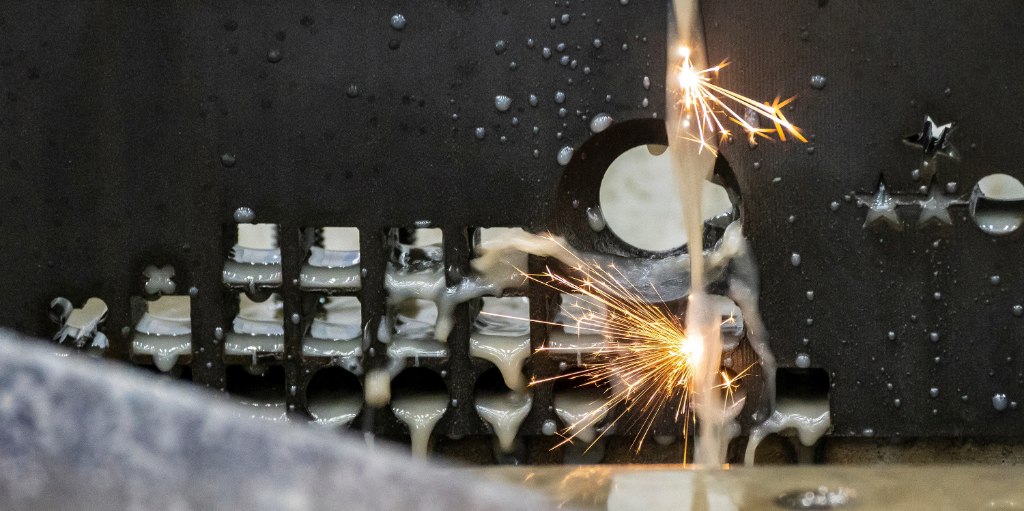
Wire EDM is used with conductive metals when the finished part needs clean through-cuts, controlled internal geometry, narrow openings, or accurate profiles that conventional cutting tools cannot produce as efficiently. The process is often used for customer parts where one critical feature controls how the component fits, moves, wears, or repeats in production.
Common Wire EDM Parts
Parts made with wire EDM often support tooling, production, replacement, or feature-critical applications. The process is useful when a component needs a clean profile, slot, cutout, insert, fixture detail, or inspection feature that would be harder to produce with conventional machining. Common examples include:
- Stamping and forming tooling: Stamping and forming tools often need accurate profiles, clean cutting edges, and wear surfaces that can support repeat manufacturing work.
- Mold inserts: Insert components for molds, dies, and fixtures can rely on wire EDM for shaped profiles, reliefs, internal details, and hardened wear areas.
- Inspection fixtures and gauges: Inspection and assembly aids often depend on clean profiles, slots, and locating features that help parts stay repeatable.
- Instrument parts: Medical and device components can require clean feature geometry, accurate profiles, and repeatable small-part cutting.
- Sealing and flow-control features: Valve body details often depend on accurate internal profiles, openings, and slot features that can affect flow or sealing behavior.
- Recreated components: Worn, obsolete, or hard-to-source parts that need accurate geometry recreated from a print, model, or sample.
- Keyway and spline features: Components with keyways, splines, slots, or internal profiles can use wire EDM when the feature needs clean, controlled geometry.
- Carbide and hardened parts: Wire EDM can cut thin, delicate, hardened, or carbide parts without the same cutting forces used in conventional machining.
When Should Wire EDM Be Used for Provo, UT, Parts?
Wire EDM machining is often the right fit when a conductive part has geometry that conventional cutting tools cannot reach or produce cleanly. The deciding factor is often one slot, profile, opening, or internal feature that needs more control.
Feature geometry through the full thickness
Wire EDM can cut features through the full material thickness when conventional machining would struggle with access, tool reach, or profile control.
- Profile-driven openings and internal cut geometry
- Narrow slots, keyed features, and slotted components
- Dies, gauges, inserts, and other parts driven by profile accuracy
Features conventional tools struggle to reach
Some features create machining problems because they are too narrow, too deep, too hard, or too delicate for a conventional cutting approach.
- Fine details, sharp internal corners, and thin part sections
- Hardened components with remaining profile requirements
- Features too narrow or difficult to reach with standard tooling
Fit-critical features
Not every part needs wire EDM because the whole component is complex. Sometimes one slot, profile, opening, keyway, die detail, or clearance feature controls whether the part fits, locates, moves, seals, wears, or repeats correctly.
How Provo, UT, Wire EDM Parts Move From Print to Production
Getting wire EDM parts into production starts with matching the part requirements to the right process plan. The print, model, material, quantity, tolerances, and critical features help determine whether wire EDM for parts and projects should cut the main profile, finish one feature, or support other manufacturing steps.
- Share the print, model, or sample: Send whatever part information is available, from drawings and CAD files to material needs, quantities, samples, and critical feature notes.
- Review the critical features: Roberson Machine Company reviews the areas that conventional machining may struggle to produce cleanly, including narrow openings, shaped profiles, keyways, inside corners, and hardened features.
- Decide where wire EDM fits: The review helps decide whether wire EDM should handle the main cut, finish one critical feature, or support a broader production route.
- Inspect the finished component: The finished part is checked so the wire EDM features, related machining, and final geometry line up with the print and application.
- Plan for repeat work when needed: When a component comes back for future releases, the same part data can help shorten review time and support a more predictable production path.
A wire EDM part should match the drawing, serve the assembly or tooling requirement, and support repeat work when the component is needed again.
Wire EDM Parts for Provo, UT, Recurring Production Needs
For recurring components, wire EDM can help keep feature geometry consistent across production runs. That matters when a slot, internal opening, profile, insert detail, or inspection feature affects how the part fits, functions, or repeats.
A repeatable wire EDM feature can be planned into bulk part production with CNC machining when the part needs both broader production work and a precise EDM detail. Wire EDM can handle the feature that depends on clean access, controlled geometry, or low-force cutting.
- Consistent repeat geometry: Critical profiles, slots, keyways, and cutouts can be produced consistently across future runs.
- Predictable release planning: Quantities, material requirements, and inspection needs can be reviewed up front so recurring orders are easier to schedule and quote.
- Repeatable production routing: Repeat production may use CNC milling for high-volume production parts for the broader part shape while wire EDM handles the cut that needs more control.
For repeat work, Roberson Machine Company can review quantities, release timing, material needs, and critical features before the wire EDM process is planned around both current and future orders.
Common Industries for Wire EDM Parts in Provo, UT
Wire EDM parts are used across industries that rely on wire EDM when a slot, profile, opening, insert, or tooling detail can affect fit, movement, inspection, or production performance.
- Aerospace: Aerospace manufacturers may need wire EDM for tooling, brackets, inserts, and components with feature geometry that needs to stay accurate.
- Medical: Wire EDM can support surgical tooling, instrument parts, medical valve bodies, and small conductive components with accurate profiles.
- Automotive and EV: Powertrain tooling, mold inserts, keyed features, and production support parts with fine internal clearances.
- Packaging: Packaging work can involve forming dies, cutting details, wear parts, and production tooling used in repeat manufacturing.
- Automation and robotics: Fixtures, gauges, end-of-arm tooling details, housings, and motion-critical components with controlled internal features.
- Oil and energy: Wire EDM can support oil and energy components when replacement parts, pump details, sealing features, hardened materials, or alloy components need controlled geometry.
Materials Used for Provo, UT, Wire EDM Parts
Wire EDM requires conductive material, but the best material still depends on how the finished part will be used. The decision may involve wear life, corrosion resistance, weight, conductivity, heat treatment, inspection needs, and later production steps.
Wear-focused tooling components
Tool steels carbides, and hardened steels are common choices for parts that see repeated contact, cutting, forming, or locating work. Common examples include:
- Cutting and forming dies
- Tooling inserts
- Replaceable wear plates
- Hardened production features
Wire EDM can be useful when the part needs its final profile cut after heat treatment or material hardening.
Corrosion-resistant parts for demanding environments
Stainless steel and similar alloys are often part of the material review when corrosion resistance matters. For parts exposed to moisture, cleaning, food production, medical environments, or demanding service conditions, wire EDM can help produce clean profiles, openings, and internal features.
Lightweight production parts
Aluminum, brass, copper, and other conductive metals may be part of the material choice when the job needs:
- Lower weight for brackets, housings, or production support parts
- Conductivity for heat transfer or electrical performance
- Controlled openings, slots, and profiles that affect fit or function
The process can help when conductive parts need controlled feature geometry without relying only on conventional tool access.
Parts that need final features after heat treat
The challenge is not always the full part. Sometimes the problem is one feature that needs to be finished after heat treat, inside a hard section, or in a tight area. Wire EDM can handle that feature without changing the entire production plan.
Which CNC Machining Methods Pair With Wire EDM?
Wire EDM often works as one step in a larger Provo, UT, machining plan. A different CNC machining method may handle the main shape while EDM cuts the profile, slot, opening, or internal detail that needs cleaner access.
- CNC milling: Used for pockets, flats, drilled features, mounting surfaces, and broader part geometry before or after EDM work.
- CNC turning: Used when the part includes round geometry such as diameters, bores, grooves, shoulders, or turned surfaces.
- 5-axis machining: Used when complex geometry, angled details, or multi-face features need to be machined around the EDM work.
- Multi-axis machining: Used when the part needs multiple sides or angles machined without adding unnecessary setup changes.
Roberson Machine Company can help determine how wire EDM should work with milling, turning, 5-axis machining, multi-axis machining, inspection, and other production steps.
Wire EDM Parts FAQs for Provo, UT
These FAQs focus on the questions customers usually ask before ordering wire EDM parts: whether the process fits the part, what information helps with quoting, how materials affect the job, and what can influence cost or production planning.
What information helps quote wire EDM parts in Provo, UT?
The best starting point is a print, CAD model, or sample part. Material type, thickness, tolerances, quantity, delivery timing, and inspection needs also help shape the machining path.
Useful quoting details include:
- Prints, models, or sample parts
- Material type, thickness, and any special material notes
- Tolerances and feature details that matter most
- Quantity per run and expected repeat demand
- Inspection, finishing, or documentation requirements
If the quote details are still developing, an early review can still help identify whether wire EDM should carry the main cut or finish one critical feature.
How do material choices affect Provo, UT, wire EDM parts?
Wire EDM can cut many conductive metals, including stainless steel, aluminum, brass, copper, titanium, tool steels, carbides, and hardened steels.
The best material depends on the finished component’s function. A tooling insert, wear component, corrosion-resistant part, lightweight bracket, or conductive feature may each need a different material path.
Is wire EDM used with other machining methods?
Many wire EDM parts are made through more than one process. Milling, turning, 5-axis machining, or multi-axis machining may handle the broader part shape before EDM finishes the feature that needs cleaner access or tighter control.
The goal is not to force the whole part through EDM. The goal is to use EDM where the feature needs precision, clean cutting, or low-force machining.
Is wire EDM a good fit for repeat production parts?
Wire EDM can be used for repeat production when the same profile, slot, insert detail, gauge feature, or production detail needs to stay consistent from run to run. That can make it useful for tooling, fixtures, replacement parts, and feature-critical components.
Recurring production work benefits from stable part data. Clear drawings, known materials, defined inspection needs, and expected release quantities can make future runs easier to quote and schedule.
Can wire EDM help with new production parts and obsolete replacements?
Wire EDM can support new components, replacement parts, tooling details, and recreated geometry from a drawing, model, or sample. It is often useful when the part needs a profile, cutout, keyway, slot, or hardened feature that has to match the original design closely.
When the part is being recreated, samples, old prints, material notes, wear areas, and assembly requirements can help explain what the replacement needs to match.
Why are some wire EDM parts more involved than others?
Wire EDM cost and lead time depend on the part’s material, thickness, geometry, tolerances, inspection requirements, and production path. A straightforward cut in prepared material will quote differently than a hardened part with several features and multiple process steps.
Common details that shape cost and timing include:
- Material type, thickness, and hardness
- How many cutouts, internal profiles, slots, or openings the part requires
- Dimensional requirements, finish needs, and critical feature control
- Fixture planning, setup time, and inspection needs
- How many parts are needed, when they are needed, and whether the job will repeat
Clear requirements up front make it easier to quote the job accurately and choose the right machining path.
Provo, UT, Wire EDM Part Production With Roberson Machine Company
Roberson Machine Company machines parts for customers who need controlled profiles, clean internal features, repeatable accuracy, and a practical path from print to finished component.
Wire EDM matched to the full part requirement
The review can include where wire EDM belongs in the process and whether other machining steps should create the surrounding geometry before or after EDM work.
Repeatable output for recurring orders
Repeat orders need more than a one-time machining answer. Roberson Machine Company can support parts where controlled geometry, consistent features, and predictable output matter across future runs.
Start with the part information you have
Roberson Machine Company can start with available prints, CAD files, samples, material details, quantities, tolerances, or repeat-production needs to help determine how the part should be made.
Related machining services include:
- Plastic Machining
- Laser Engraving
- Lathe Machine
- Precision Stainless Steel Machining
- CNC Lathe Machining
- Custom CNC Machining for Part Production
- CNC Machine Automation
- Oil and Gas Precision Machining
- Aerospace Manufacturing
Roberson Machine Company can help manufacturers plan wire EDM parts around geometry, material, production needs, and repeatability. Learn more about how wire EDM can help your business, contact us online, or call 573-646-3996 to discuss Provo, UT, wire EDM parts for your next order.