

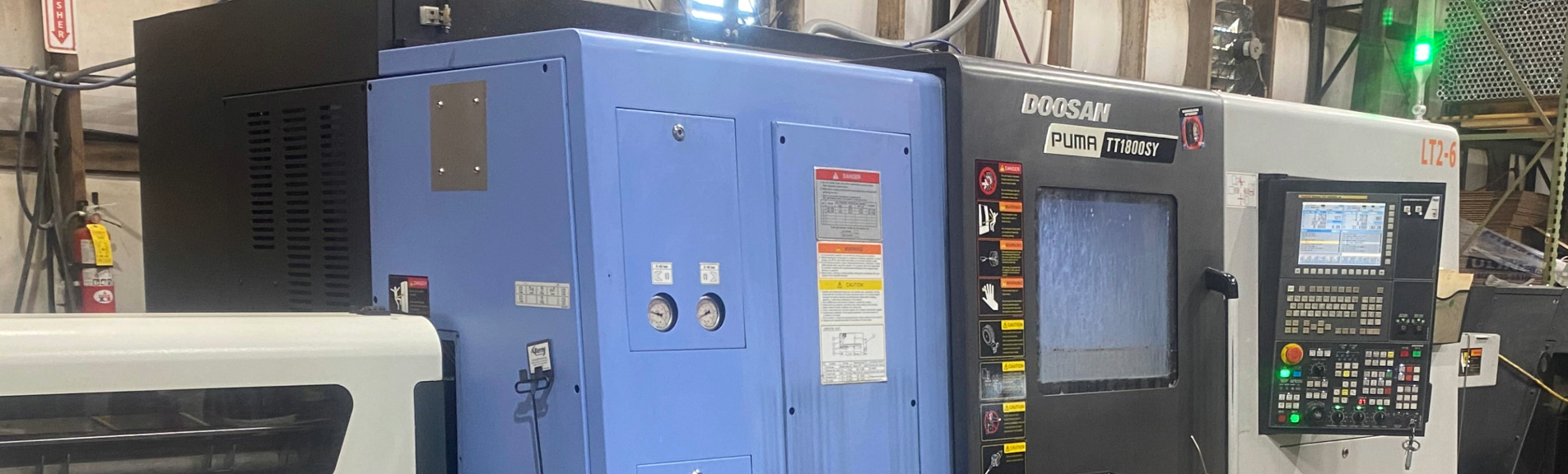
A Lathe Machine in Henderson, NV, matters most in part production built around consistent diameters, smooth surfaces, clean threads, and repeatable concentricity. At Roberson Machine Company, we use lathe machines to produce turned components that hold up across repeat runs, future releases, and long-term production schedules.
Learn More About
If you need a stronger machining path for bulk production, our team can review your project. Contact us online or call 573-646-3996 to learn more about our Henderson, NV, lathe machine capacity and precision CNC machining services.
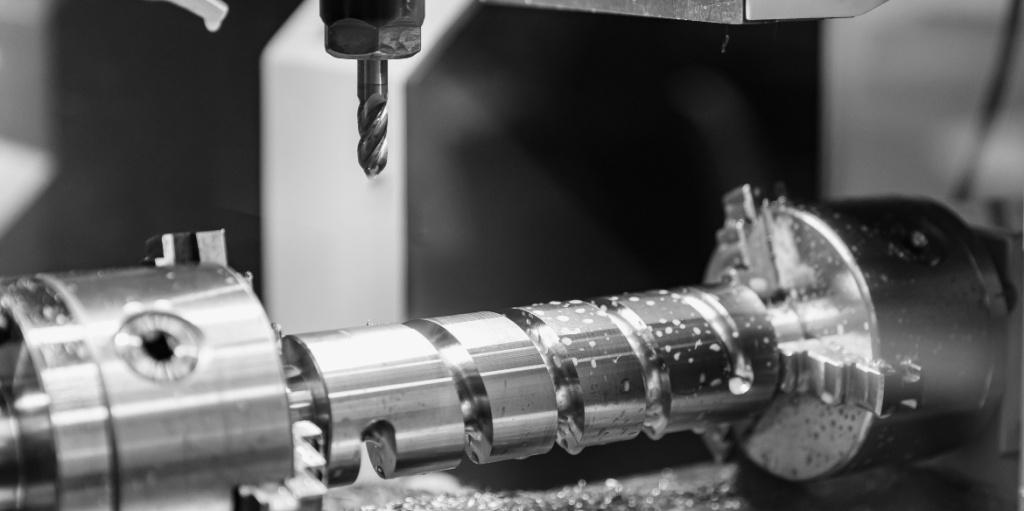
What a Lathe Machine in Henderson, NV, Does Best in Part Production
Lathe machining is used for more than a narrow slice of manufacturing work. In part production, lathes are often one of the most efficient and reliable ways to create round geometry while limiting extra setups and unnecessary handling.
In CNC production, what gives a lathe machine value usually comes down to the parts it handles well, the features it can produce consistently, and the production demands it can help manage efficiently.
What kinds of parts are best suited for a lathe machine?
A lathe machine is a strong fit for parts built around rotational geometry, concentric relationships, and consistent diameters that need to stay stable across production runs. That is a big reason turning centers remain such a practical fit for many production environments.
That includes many of the parts used in industrial machinery ordered at volume, such as:
- Shafts, pins, bushings, and spacers used in assemblies where fit, diameter control, and alignment matter, including production drive shafts.
- Rollers, pulleys, and other cylindrical tooling components that are often built around concentricity and surface consistency, such as ink rollers used in packaging lines.
- Valve bodies and flow-control components that may combine turned features with more detailed internal geometry, including this medical valve body.
- Medical and instrument components that depend on consistent geometry and clean finished surfaces, such as microscope components and acrylic instrument parts.
- Tooling and automation parts that often begin with turned geometry before moving into secondary operations, including certain end-of-arm robot tooling parts.
For components built around round, centered features that need to stay stable from one run to the next, Henderson, NV, lathe machines often make the most sense.
What part features can a lathe machine produce accurately?
A lathe machine is often the right fit when part quality depends on round features staying controlled, centered, and consistent from one run to the next. In production work, that usually means holding the geometry that affects fit, sealing, movement, and overall repeatability.
Diameters, bores, and round geometry
Lathe machines can produce inside diameters, outside diameters, and other circular features that need to stay consistent across the part.
Faces, shoulders, and transitions
Lathe machines also produce stepped sections, flat faces, and smooth transitions that help define spacing, contact points, and functional fit within an assembly.
Threads, grooves, and turned details
Many turned production parts also include smaller features that need to be cut cleanly and consistently, such as:
- Threads on the inside and outside of the part
- Relief cuts and grooves
- Blended radii and chamfers
- Sealing and bearing surfaces
Surface finish and feature alignment
For many turned parts, accuracy is not only about dimension. It also comes from keeping related features on the same axis while producing smooth finished surfaces that support reliable part performance.
When is a lathe machine the right choice over other machining methods?
Turning often makes a lathe machine the right choice when it can handle the most important work first. That is especially true for parts with the traits that make them easier to run efficiently at higher volumes, including features that benefit from fewer setups, repeatable round geometry, and stable diameters.
- High-volume production where the same turned part needs to be produced consistently across longer runs, including broader high-volume CNC machining workflows.
- Parts with rotational geometry that would be slower or less practical to build through CNC milling alone.
- Components that benefit from fewer setups to reduce extra handling and help hold important geometry more evenly.
- Multi-operation parts where turning builds the base geometry before additional machining completes the part.
With parts like these, CNC turning often provides a more efficient starting point for the rest of the machining workflow. That can help reduce extra handling while keeping production steadier from one run to the next.
Where Henderson, NV, Lathe Machines Add Value in Manufacturing
Lathe machines tend to add the most value in manufacturing when the same part has to hold up across more than one run. They help keep higher-volume work moving with steadier workflows and repeatable output over time.
Why do lathe machines work well for bulk and high-volume production?
Bulk production puts real pressure on a machining process when the same part has to keep moving without constant adjustment, added handling, or extra disruption between runs. For turned components, a lathe machine helps keep production more efficient as order volume grows.
- Fewer setup changes and switchovers: Once the process is established, a lathe machine can keep the same part moving without constant interruptions between operations.
- Less handling between steps: Keeping more of the job in the turning process helps cut down on extra touches that add time, variation, and workflow drag.
- Stronger consistency across long runs: For parts built around turned geometry, lathe work makes it easier to hold surfaces, diameters, and centered features as volume increases.
- More predictable throughput: Stable cycle times help make larger runs easier to plan with fewer interruptions and more confidence in production timing.
Why can a lathe machine help reduce handling and keep workflows moving?
Each time a part has to be moved, re-fixtured, or repositioned, the process picks up more time, more variation, and more chances for something to drift. A lathe machine helps cut down on that extra handling by keeping more of the work tied to the same setup and the same core operation.
That matters because production usually runs more smoothly when fewer handoffs lead to better control over the geometry established early in the job, fewer interruptions between steps, and smoother part flow. For turned components, that helps keep production moving with less disruption from one stage to the next.
What makes lathe machines useful for repeat orders and future releases?
Some parts keep coming back instead of running once and disappearing. They return as repeat orders, future releases, or replacement needs, which puts more pressure on the process to hold up over time.
A lathe machine makes that easier for turned components by supporting the same core geometry and surfaces without forcing the workflow to be rebuilt every time the job returns. That can help make follow-up orders easier to manage while reducing the disruption that comes with restarting a part months or years later.
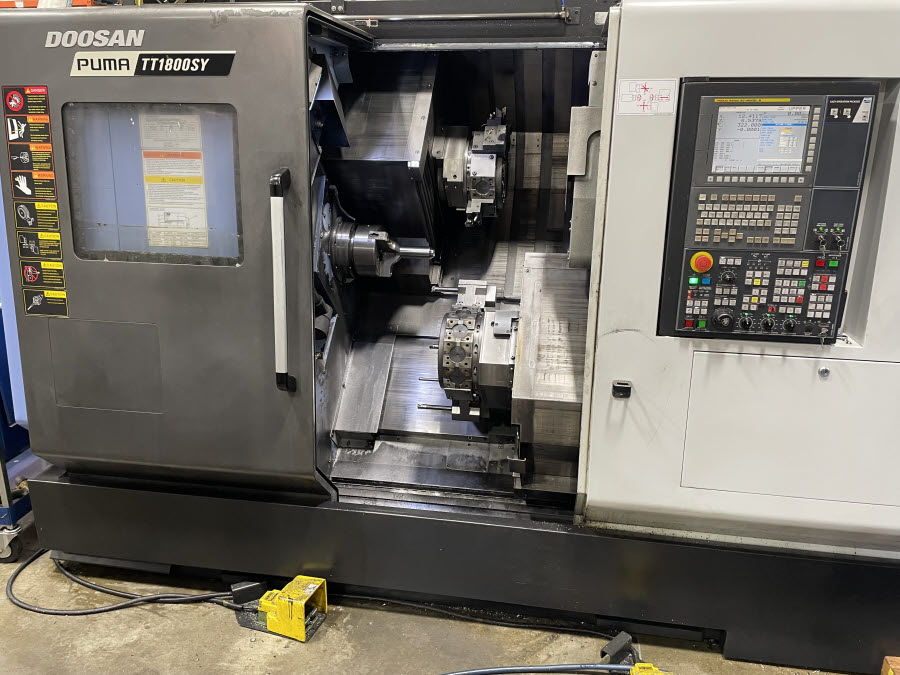
How the Doosan Puma TT1800SY Expands Lathe Machine Capacity at Roberson Machine Company
Roberson Machine Company’s Doosan Puma TT1800SY expands what a lathe machine in Henderson, NV, can handle in production by giving our team a better way to machine turned parts that need more than simple diameters and basic secondary work. This multi-axis CNC turning center is built for parts that depend on turned geometry first but still benefit from a more complete machining process.
That added production capability helps with front- and back-working, live tooling, and bar-fed workflows that can reduce handling between stages, hold feature relationships more steadily, and keep production moving more efficiently as order volume increases.
Review the Doosan Puma TT1800SY multi-axis CNC turning center specifications PDF for more information.
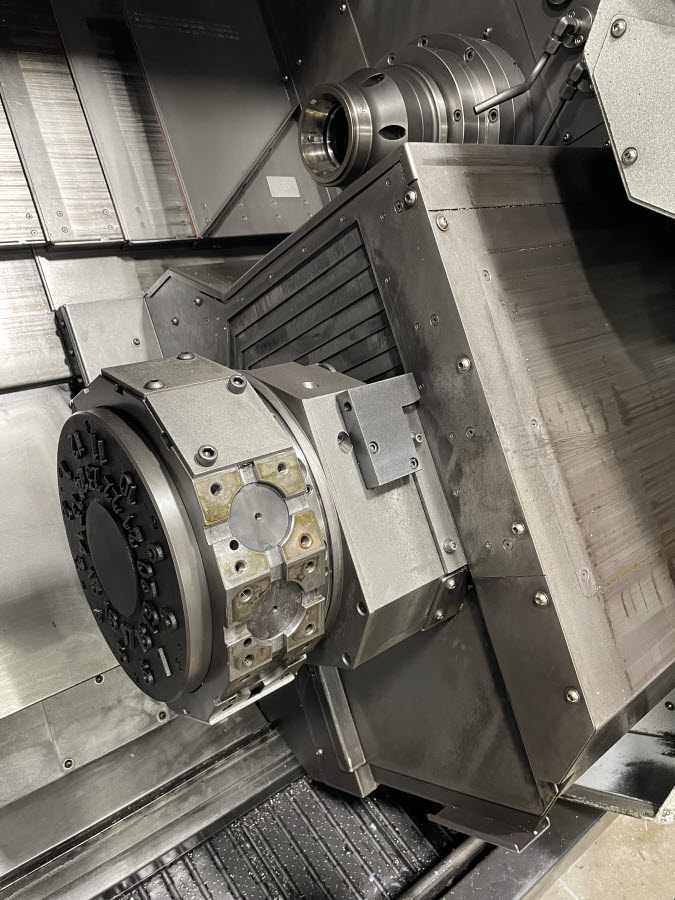
That kind of machine shows its value in more than listed specs. It shows up in how the process runs on the floor. When more of the part stays tied to the same broader workflow, production becomes easier to manage, geometry is easier to hold, and the path through machining becomes less fragmented.
- More complete part processing for components that combine turned geometry with additional feature work such as drilling, milling, or off-center machining
- Fewer handoffs between stages when front- and back-working do not have to split as far apart in the production flow
- Stronger workflow stability for future releases, repeat orders, and higher-volume part runs
- Better support for bar-fed production on components that need smoother cycle flow and steady output
That makes the Doosan Puma TT1800SY a strong fit for couplings, shafts, bushings, sleeves, tooling components, and other turned parts that depend on accurate diameters, concentric features, and a smoother path through production. It also adds to how Roberson Machine Company machines parts where turning does the heavy lifting before the rest of the process takes over.
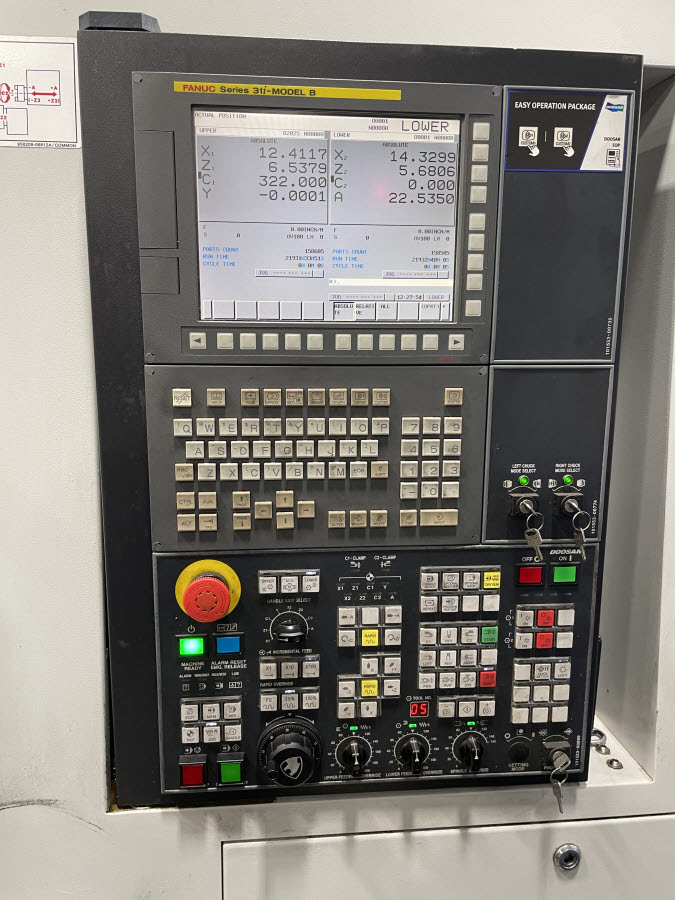
For customers sourcing production-ready lathe machine work, that added capacity gives Roberson Machine Company a stronger way to machine parts that need speed, control, and a smoother path through manufacturing. It is one more way our team continues to build around turning processes that hold up well in real production.
Industries That Use Henderson, NV, Lathe Machines in Production
Lathe machines play an important role across industries where parts depend on stable diameters, smooth surfaces, threads, bores, and other turned features that need to hold up across repeat runs.
- Medical & Pharmaceutical Production for valve bodies, instrument components, and other precision parts.
- Industrial Automation & Robotics for shafts, bushings, guides, and tooling components.
- Aerospace for couplings, sleeves, housings, and other concentric parts.
- Military & Defense for threaded hardware, connectors, and rotary components.
- Automotive & EV for shafts, bushings, pins, and other similar production parts.
- Food & Beverage for rollers, sanitary turned parts, and spindle components.
- Packaging & Production Lines for rollers, guide shafts, and cylindrical tooling.
- Energy & Power Generation for turned parts built for demanding service conditions, including valve components and manifolds.
Related CNC Machining Capabilities
A lot of lathe-produced parts still rely on other machining processes to complete the final component. Common companion capabilities include:
CNC Milling
Produces mounting features, flats, slots, and pockets that turning alone does not create.
Multi-Axis CNC Machining
Supports feature access while helping maintain alignment across multiple surfaces.
5-Axis CNC Machining
Supports more complex geometries that benefit from fewer setups and broader tool access.
Wire EDM
Works well for tighter features and internal profiles that are better suited to EDM than conventional cutting.
Prototype Machining
Makes it easier to validate geometry before parts move into repeat or higher-volume production.
Frequently Asked Questions About Lathe Machines in Henderson, NV
Customers usually want to know where Henderson, NV, lathe machines fit the part best, how they support production, and what it takes to move from a drawing to a stable manufacturing process. These FAQs cover common questions about volume, secondary operations, quoting, cost, and production planning.
Do lathe machines make sense for high-volume production?
One of the biggest strengths of a lathe machine shows up in high-volume work. When a part is built around turned geometry, the process can stay efficient over longer runs while helping reduce extra setup changes, handling between stages, and interruptions that slow production down.
That is especially useful when order volume increases and larger runs depend on steady cycle flow, controlled geometry, and a practical way to keep parts moving.
Do turned parts still need milling or other secondary machining?
Many turned parts still need additional machining before the component is fully finished. Turning may establish the core geometry first, while other processes complete features that a lathe alone does not produce as efficiently.
Typical secondary operations can include:
- Milled flats, slots, and pockets
- Cross-holes along with off-center drilled features
- Mounting surfaces and features added through milling
- Precise internal profiles cut with Wire EDM
The lathe is still doing important work here. In many workflows, turning does the heavy lifting first and gives the rest of the machining process a stronger starting point.
What details usually matter most when quoting a lathe machine project?
The clearest quotes usually come from understanding both the part and the production expectations around it. A drawing or model is the starting point, but the workflow matters too.
Information that helps with quoting usually includes:
- Current drawings or models with tolerances and critical feature callouts
- Material type and any finish requirements
- Expected quantities by run along with annual demand
- Expected delivery timing or release schedule
- Inspection needs along with documentation or packaging requirements
Even when the details are still developing, early review often helps identify whether a part belongs on a lathe-centered workflow and what the best production path looks like.
What factors usually affect cost on lathe-produced parts?
Cost is usually driven by how much time, control, and process complexity the part requires. A simple turned component is very different from a part that combines multiple operations, tight geometry, difficult material, and extra inspection requirements.
Typical cost drivers include:
- Bar size along with material type
- Tolerance demands and surface finish requirements
- Part complexity together with operation count
- How often the part releases and expected run size
- Certification, inspection, or packaging requirements
The earlier those variables are defined, the easier it is to build a process that keeps pricing and lead time in a workable range.
Why does a multi-axis lathe help production?
A multi-axis lathe helps production by keeping more of the part in the same machining flow rather than forcing extra transfers between setups or machines. That is especially useful for components that still depend on turned geometry first but also need additional milled, drilled, or back-worked features.
In practical terms, that can help reduce handling, hold feature relationships more steadily, and create a smoother path through production for parts that would otherwise require more interruptions along the way.
How do repeat orders affect Henderson, NV, lathe machine production planning?
One-time runs and repeat orders do not put the same pressure on a process. When the same part comes back months later, the job still needs to match earlier production without forcing the machining approach to be rebuilt from scratch.
For turned parts, a lathe machine often makes that easier by returning to the same core geometry, surfaces, and production flow and keeping future releases easier to manage.
What lead time questions should customers ask before starting a lathe project?
Lead time is not just about when machining starts. It is also shaped by material availability, tooling needs, part complexity, inspection requirements, and how the job fits into the broader production schedule.
Before getting started, it helps to ask about:
- Stock size together with material sourcing
- Expected setup requirements
- Whether additional machining operations are involved
- Inspection needs along with documentation requirements
- How follow-up releases may affect scheduling
Those questions usually give a clearer picture of what the real production timeline will look like.
Work With Roberson Machine Company for Henderson, NV, Lathe Machine Production
Roberson Machine Company brings the equipment, machining experience, and production control needed to support turned parts with less disruption in production. Our team machines parts for customers who need more than a one-time run, especially when part quality, stable production, and future releases all matter.
- Henderson, NV, lathe machine workflows built around turned features that need to stay consistent, including accurate diameters, bores, and threads
- Production capacity for repeat orders, higher-volume runs, and parts that return to the schedule over time
- Multi-axis turning that helps keep more of the part in an efficient machining flow and reduce extra handling
- Broader machining support when parts also require EDM, milling, prototyping, or other secondary operations
- Production experience across automation, medical, aerospace, packaging, automotive, energy, and other industrial markets
Additional support services include:
- Automated CNC Milling Machine
- Plastic Machining
- Laser Engraving
- Wire EDM Parts
- Precision Stainless Steel Machining
- CNC Lathe Machining
- Custom CNC Machining for Part Production
- CNC Machine Automation
- Oil and Gas Precision Machining
To learn more about Roberson Machine Company’s production experience, review our reviews, case studies, blog, and FAQs.
Roberson Machine Company machines parts for customers who need lathe machine capacity for new parts, repeat work, and production runs that need to stay on track over time. Learn more about our team, contact us online, or call 573-646-3996 to plan your next Henderson, NV, lathe machine project.