

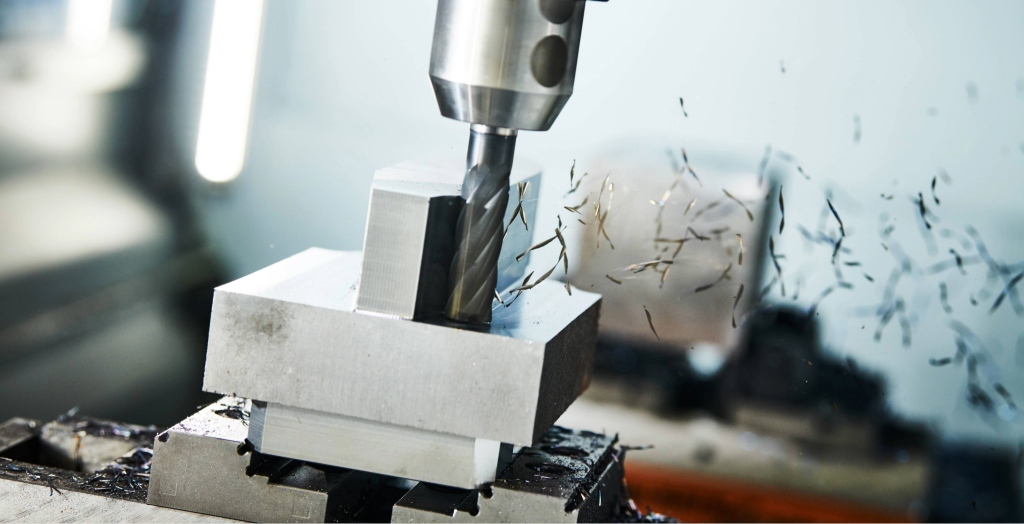
For larger production runs that require consistent output, automated CNC milling machines in Irving, TX, keep work moving while supporting reliable results from part to part.
Automation reduces repeated manual tasks while helping the milling process continue efficiently. Our team at Roberson Machine Company selects automated milling for projects with suitable parts, stable setups, and production requirements.
Learn More About
- What makes CNC milling automated
- How automation improves CNC milling production
- Which parts and features work well with automated milling
- Where automated milling supports industrial applications
- How different Irving, TX, automated CNC milling machines support production needs
- How tooling, inspection, and documentation support repeat orders
- When automation fits milling production
- Common questions about cost, volume, scrap, prototypes, and unattended production
If your part and production requirements support automated CNC milling in Irving, TX, request a quote online or call 573-646-3996 to review your automated milling needs with our team.
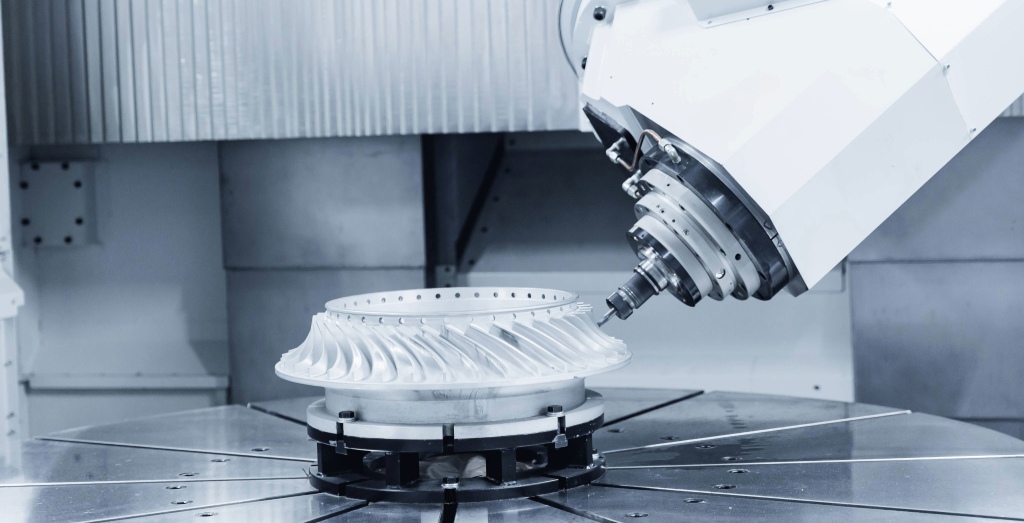
How Does Automated CNC Milling Work?
Automated CNC milling is a form of CNC machine automation to combine computer-controlled cutting with programmed equipment functions that limit manual handling during production. The machine follows a programmed CNC cutting path. Automated functions reduce the number of production steps that depend on an operator stopping or restarting the machine.
- CNC programming: CNC programming defines how the tool moves as well as the spindle speed, cutting depth, and other machine instructions.
- Automated machine functions: Specific machine functions can occur automatically instead of depending on an operator to initiate each step.
- Production controls: Monitoring functions and programmed routines manage machine activity throughout the job.
Benefits of Automated CNC Milling Machines in Irving, TX
Reduce Routine Machine Handling
Robotic machine tending can automate recurring handling steps throughout the milling process:
- Loading parts and removing completed components
- Positioning parts or pallets for the next operation
- Initiating the next programmed machining cycle
- Handling other repeated production steps
Reduce Idle Time Between Milling Cycles
Automation reduces delays between repetitive tasks and allows suitable milling jobs to continue during breaks, shift changes, and other periods of limited operator availability.
Some setups can also support lights-out manufacturing during selected periods with limited personnel present.
Prepare for Recurring Production Orders
Automated setups can preserve an established machining process and support consistency in mass-production CNC machining.
Future production runs can use the established:
- Established fixture and workholding setup
- Established sequence of cutting tools
- Machine program
- Established inspection routine
Build Quality Checks Into Production
Selected dimensions and part position can be measured during machining through automated probing. The resulting measurements help machinists identify dimensional drift before the change carries across more completed parts.
Programmed inspections and tool monitoring also support process control by detecting wear, positioning problems, and other changes that can alter finished dimensions.
What Components Can Be Produced With Automated CNC Milling?
Components become practical candidates for automated CNC milling when each part can follow a repeatable production process. Parts can still include complex features when the setup and machining sequence remain repeatable.
- Brackets, mounts, plates, and housings
- Automation tooling and production fixtures
- Manifolds and valve components
- Parts with pockets, slots, holes, and machined mounting surfaces
- Robot tooling along with multi-sided components
Manufacturers can produce these parts from several different materials. Roberson Machine Company produces components from plastics as well as metals such as stainless steel. The selected material and starting stock influence tooling, workholding, and cutting decisions.
Industrial Uses for Automated CNC Milling in Irving, TX
Automated milling fits production environments where parts follow repeatable processes with fewer manual stops. Its role varies among industrial machining applications, with applications in medical manufacturing, automotive production, robotics, food processing, and the energy sector.
| Industry | How Automated CNC Milling Fits |
|---|---|
| Automotive & Heavy Machinery |
CNC milling produces tooling, fixtures, mounts, housings, and other components for scheduled automotive and heavy machinery production. Vehicle manufacturers use machining for work ranging from production tooling to completed parts. Learn more about the role of CNC machining in automotive manufacturing. |
| Medical & Pharmaceutical |
Medical automation uses machined components in robotic systems, laboratory equipment, pharmaceutical production, and other equipment where accurate movement and repeatable performance matter:
Machined components help medical equipment maintain accurate movement, positioning, and consistent operation. This performance depends partly on CNC-machined automation components in the medical industry. |
| Automation & Robotics |
Automation and robotics systems rely on machined tooling, mounts, adapters, fixtures, end effectors, and other components used in repeated motion or production cycles. Those parts can support the structure, movement, and tooling built into robotic systems. CNC robotics and automation increasingly bring machining and automated equipment into the same production environment. |
| Oil & Energy |
Pumps, valves, drilling equipment, control systems, and other oil and energy assemblies may depend on durable machined components. For larger production quantities, automation can limit delays between recurring machining steps. The impact of automation in oil and gas parts manufacturing can extend across machining, handling, and other production steps. |
| Food & Beverage |
Food and beverage equipment includes machined components used in conveying, filling, processing, and packaging systems:
|
Types of Automated CNC Milling Machines Used in Irving, TX, Production
Automated CNC mills use different combinations of machine axes and spindle positions. The selected arrangement influences part positioning, access to machined features, and setup requirements throughout production.
3-Axis CNC Milling
In 3-axis milling, the machine operates along three linear axes: X, Y, and Z. This configuration suits accessible surfaces, pockets, holes, slots, and features that need little part repositioning.
4-Axis CNC Milling
The fourth axis provides rotary movement to provide tool access around more of the component while reducing manual setup changes.
5-Axis CNC Milling
Five-axis machining allows the cutting tool to reach angled surfaces, contoured geometry, and features on multiple faces. 5-axis CNC milling machines support multi-sided machining while keeping the component in the same setup.
- Approach part features from additional directions
- Reduce manual repositioning between operations
- Maintain alignment between features across multiple faces
Completing more work within one setup is one of the advantages of 5-axis CNC machining. Part geometry and setup needs help distinguish 3-axis, 4-axis, and 5-axis CNC milling can guide machine selection for a specific part.
Vertical and Horizontal CNC Milling
The spindle sits above the component in vertical milling and approaches from the side in horizontal milling. This machine configuration changes how the part is held, accessed, and cleared of chips during production. Learn about the pros and cons of vertical and horizontal milling or see how setups differ between vertical and horizontal milling machines.
Multi-Axis CNC Milling
Coordinated movement across multiple axes allows additional surfaces and features to be machined in one setup. Fewer setup changes can make complicated automated machining cycles more practical. Read more about multi-axis machining.
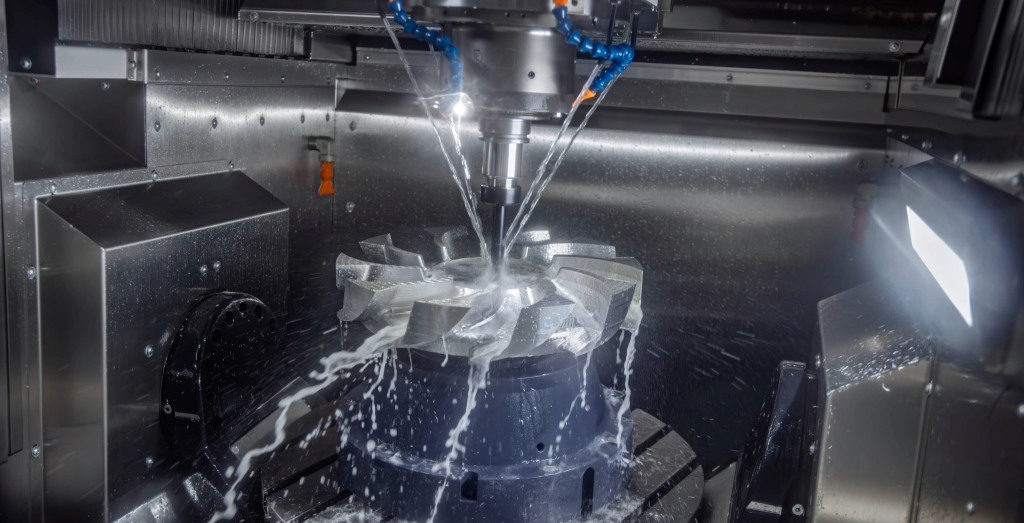
Preparing Automated CNC Milling for Recurring Production
Repeat orders require more than loading and running the same CNC program again. The established tooling, material requirements, inspection steps, and job records should remain connected to the component.
Maintain Setup Documentation
Maintain records of workholding, tools, machining parameters, and part position to support repeat production.
Plan Around Tool Life
Machining tools experience wear as production continues. Tracking replacement intervals helps prevent tool wear from changing part dimensions or finished surfaces during longer runs.
Plan Inspection Throughout Production
The inspection plan may include first-piece, in-process, and final checks based on the part, order size, and length of the automated cycle.
Keep Materials and Revisions Connected
Materials, drawings, programs, and authorized changes must remain aligned as new production orders are released.
Plan for Scale
Growing order sizes can change how manufacturers manage schedules, cutting tools, material availability, and quality checks. The same production factors influence bulk part production with CNC machining.
Automated CNC milling can support efficient repeat production when the setup, tooling, inspection, and documentation are already established.
Which Milling Jobs Benefit From Automation?
Automated CNC milling machines in Irving, TX, fit production jobs that can follow a defined process with limited operator decision-making. Automation has more opportunities to limit idle periods and repetitive handling during longer runs, helping high-volume CNC milling frequently supports automated processes.
- The part returns often enough to reuse an established setup and CNC program
- Loading, repositioning, or other routine handling creates avoidable stops
- Multiple features or sides can be machined before the component leaves the setup
- The job can continue productively through breaks, staffing transitions, or selected unattended periods
The value of automation decreases when part designs change often or machinists must adjust the process throughout production. Prototype machining typically involves more active oversight while tooling, setups, and machining steps are being finalized.
Irving, TX, Automated CNC Milling FAQs
How much does automated CNC milling cost?
Pricing depends on the part’s geometry and material as well as its tolerances, quantity, setup, inspection requirements, and automated production steps.
As quantities increase, manufacturers can distribute setup and automation expenses across a larger number of parts.
What is the lead time for automated CNC milling?
Project lead time includes planning and setup in addition to the time spent machining parts. Preproduction work may include:
- Machine programming and process planning
- Material sourcing and preparation
- Workholding and machine setup
- Tooling and first-piece inspection
After the production process is established, automation can reduce stops between components and machining operations.
What production volume makes automated CNC milling machines worthwhile?
The order volume needed to justify automation varies between parts and production processes. Automation becomes more practical as the same production tasks repeat consistently across the run.
A moderate production quantity may justify automation when the setup remains consistent, while a larger but unstable process may not.
Can automated CNC milling reduce scrap?
Automation can reduce avoidable variation by keeping machining, handling, and inspection steps consistent across a production run. Programmed checks can reveal developing issues before they continue across a larger quantity.
Scrap can still result from:
- Tool wear or damage
- Damaged or inconsistent material
- Programming or offset errors
- Workholding and positioning problems
Inspection and monitoring provide opportunities to correct developing issues before they create more rejected parts.
Which short-run milling projects benefit from automation?
Automation may provide value for prototype or short-run work that follows a stable process or leads into future production.
Frequently changing prototype work may benefit more from direct operator involvement until the production plan is established.
When can CNC milling machines run unattended in Irving, TX?
Certain automated milling setups can support lights-out production after the workholding, tooling, monitoring, and quality checks are fully established.
Extended unattended production may use robotic tending, machine monitoring, programmed inspection, and other practical approaches to CNC machine automation. Operators may need to remain involved when the setup is complex or the machining process changes throughout the run.
Start Your Irving, TX, Automated CNC Milling Machine Project With Roberson Machine Company
Production planning at Roberson Machine Company starts by reviewing the part, material, quantities, order frequency, inspection requirements, and production timeline.
Select the Right Automated Steps
The appropriate level of automation depends on part geometry, order size, production schedule, and repeated handling steps.
Account for Every Production Operation
The full production plan may include several processes beyond milling. A component can also move through precision CNC machining, turning, EDM, multi-axis work, or additional inspection before production is complete.
Plan for Recurring Production
Documenting the setup, tools, program, and inspection plan provides a repeatable starting point for future production.
Other services we provide include:
- Plastic Machining
- Laser Engraving
- Wire EDM Parts
- Lathe Machine
- Precision Stainless Steel Machining
- CNC Lathe Machining
- Custom CNC Machining for Part Production
- CNC Machine Automation
- Oil and Gas Precision Machining
Submit your drawing, digital model, material details, order quantity, and target production schedule. For automated CNC milling support in Irving, TX, call 573-646-3996 or send Roberson Machine Company a message online.