

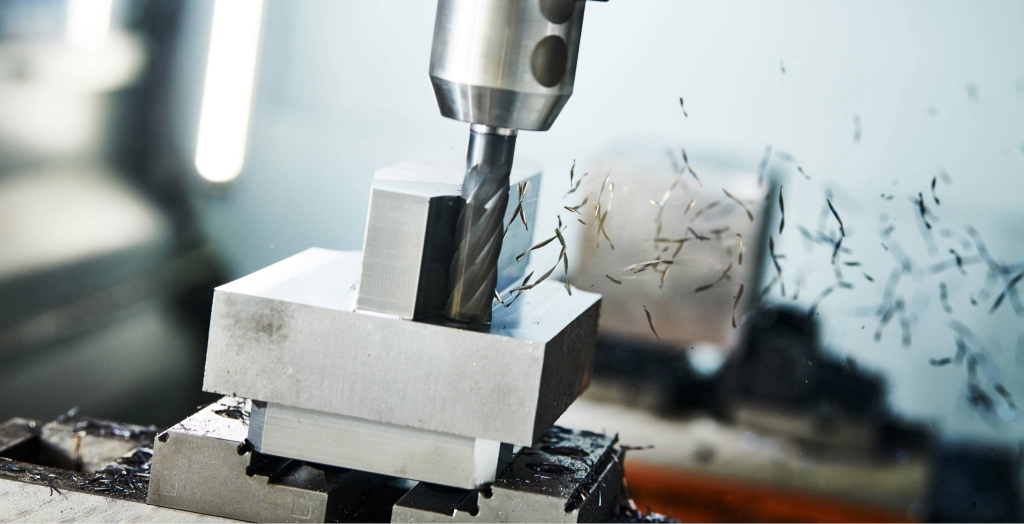
For larger production runs that require consistent output, automated CNC milling machines in Salisbury, MD, keep work moving while supporting reliable results from part to part.
Automation reduces repeated manual tasks while helping the milling process continue efficiently. Our team at Roberson Machine Company uses automated milling when the part, setup, and production schedule support it.
Topics Covered
- What makes CNC milling automated
- How automation improves CNC milling production
- Which parts and features suit automated milling
- Where automated milling supports industrial applications
- How different Salisbury, MD, automated CNC milling machines support production needs
- How tooling, inspection, and documentation support repeat orders
- When automation makes sense for milling production
- FAQs about cost, volume, scrap, prototypes, and unattended production
To begin an automated CNC milling project in Salisbury, MD, request a quote online or call 573-646-3996 to discuss the component, quantity, and production schedule.
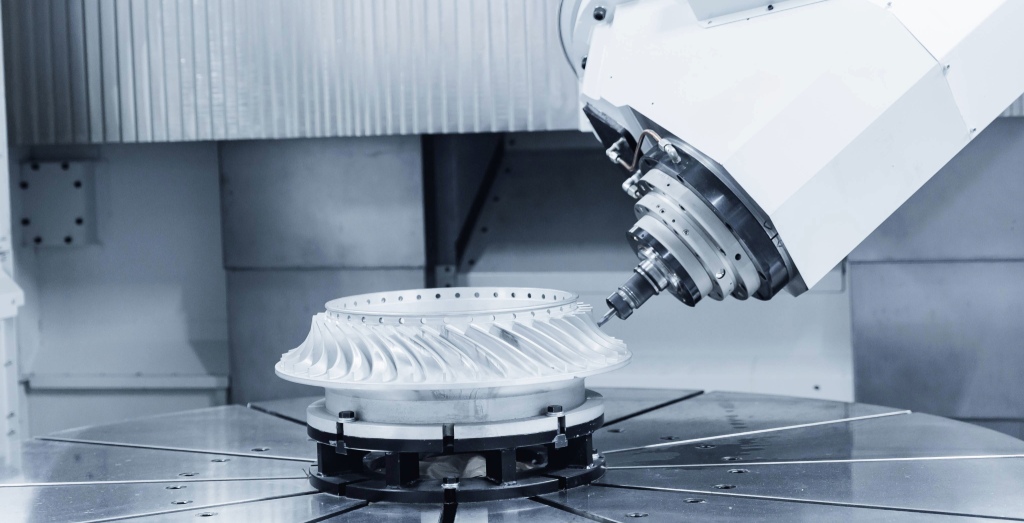
How Does Automated CNC Milling Work?
Automated CNC milling is a form of CNC machine automation that combines computer-controlled machining with equipment and programmed steps that reduce manual handling during production. CNC controls the cutting path. Programmed automation helps production continue through more steps without repeated manual advancement.
- CNC programming: CNC programming guides tool movement and controls spindle speed, depth of cut, and other machining variables.
- Automated machine functions: Specific machine functions can occur automatically instead of depending on an operator to initiate each step.
- Production controls: Programmed routines and monitoring systems coordinate machine activity across the production cycle.
Why Manufacturers Use Automated CNC Milling in Salisbury, MD
Reduce Routine Machine Handling
Robotic machine tending can automate recurring handling steps throughout the milling process:
- Loading and unloading parts
- Moving components and pallets into the required position
- Advancing production into the next programmed cycle
- Managing additional repetitive steps in the production process
Reduce Idle Time Between Milling Cycles
Automation can keep appropriate work moving between cycles and during periods when an operator may not be available to tend the machine directly.
Some setups can also support lights-out manufacturing with limited direct supervision.
Create a Repeatable Production Process
Automation allows manufacturers to carry an established process into future orders while supporting consistency in mass-production CNC machining.
Future production runs can use the established:
- Fixture and workholding setup
- Established sequence of cutting tools
- Approved machine program
- Documented inspection process
Build Quality Checks Into Production
In-process probing measures selected dimensions and confirms part position before the complete production order is finished. In-process measurements provide another way to detect dimensional drift before it creates problems throughout the remaining production run.
Automated inspection steps and tool monitoring provide additional process control by tracking wear, positioning, and dimensional changes.
Which Parts Suit Automated CNC Milling?
Automated CNC milling works best for parts that can follow an established machining process across multiple production cycles. A repeatable setup and machining sequence can support complex features across the production run.
- Brackets, mounts, plates, and housings
- Automation tooling along with production fixtures
- Fluid-control manifolds and valve components
- Parts with pockets, slots, holes, and machined mounting surfaces
- Robot tooling and components with features on several sides
These components can be produced from a range of materials. Roberson Machine Company machines plastics and metals, including stainless steel. The selected material and starting stock influence tooling, workholding, and cutting decisions.
Industrial Uses for Automated CNC Milling in Salisbury, MD
Automated milling fits production environments where parts follow repeatable processes with fewer manual stops. The production needs differ across industrial machining applications, ranging from automated medical and automotive production to robotics, food-processing systems, and energy equipment.
| Industry | How Automated CNC Milling Fits |
|---|---|
| Automotive & Heavy Machinery |
Automotive and heavy machinery manufacturers use CNC milling for tooling, fixtures, mounts, housings, and other components needed across scheduled runs. Vehicle manufacturers use machining for work ranging from production tooling to completed parts. Learn more about the role of CNC machining in automotive manufacturing. |
| Medical & Pharmaceutical |
Machined components support medical robotics, laboratory automation, pharmaceutical production, and other equipment that depends on accurate movement and repeatable performance:
These systems rely on components that support precise motion, controlled positioning, and repeatable equipment performance. These requirements are central to CNC-machined automation components in the medical industry. |
| Automation & Robotics |
Machined tooling, mounts, adapters, fixtures, and end effectors support the recurring movements performed by automation and robotics systems. Machined parts provide structural support, controlled movement, and tooling connections for robotic equipment. CNC robotics and automation combine machining and automated equipment within increasingly connected production systems. |
| Oil & Energy |
Pumps, valves, drilling equipment, control systems, and other oil and energy assemblies may depend on durable machined components. Longer production runs can benefit from automated machining strategies that reduce interruptions between repeated operations. The impact of automation in oil and gas parts manufacturing reaches beyond machining into handling and other connected production tasks. |
| Food & Beverage |
Food and beverage systems use machined parts across conveying, processing, filling, and packaging operations:
|
Automated CNC Milling Machine Types for Production in Salisbury, MD
Automated milling equipment differs based on its axis configuration and the orientation of the spindle. Each configuration changes how the tool reaches the component and how often the part may need a new setup.
3-Axis CNC Milling
Three-axis machining uses movement across the X, Y, and Z directions. Parts with accessible geometry and limited repositioning requirements often fit 3-axis milling.
4-Axis CNC Milling
Four-axis CNC milling uses rotary movement to provide tool access around more of the component while reducing manual setup changes.
5-Axis CNC Milling
Five-axis machining allows the cutting tool to reach angled surfaces, contoured geometry, and features on multiple faces. 5-axis CNC milling machines can reach more of the required geometry before the part must be repositioned.
- Reach features from additional cutting angles
- Limit part handling between machining operations
- Maintain alignment between features across multiple faces
Completing multi-sided features in fewer setups represents one of the advantages of 5-axis CNC machining. Comparing the available movement and tool access of 3-axis, 4-axis, and 5-axis CNC milling can shape which approach fits a part.
Vertical and Horizontal CNC Milling
The spindle sits above the component in vertical milling and approaches from the side in horizontal milling. Machine orientation affects how manufacturers position the workpiece, reach its features, remove chips, and plan the setup. See the pros and cons of vertical and horizontal milling or understand the configurations of vertical and horizontal milling machines.
Multi-Axis CNC Milling
Multi-axis milling uses coordinated machine movement to complete more of the component within the same setup. The process limits repeated setups and supports more efficient automated production of complex parts. Review Roberson’s capabilities for multi-axis machining.
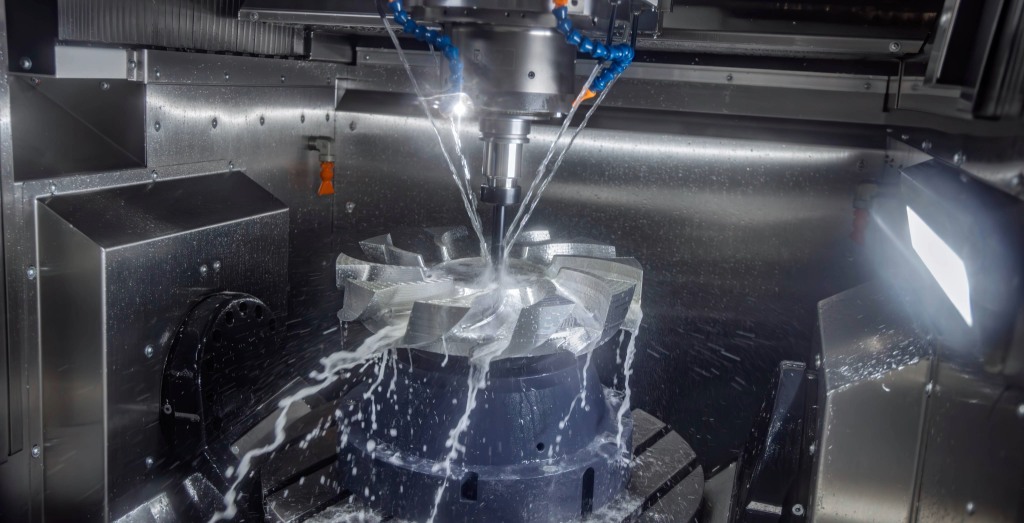
Automated CNC Milling Planning for Repeat Production
Recurring production relies on more than the programmed toolpaths from the previous order. Future orders also depend on preserving the approved tools, materials, inspection plan, and production records.
Record the Production Setup
Recording the fixture, tool sequence, machine settings, and part orientation provides a reliable starting point for recurring orders.
Track Tool Life
Machining tools experience wear as production continues. Monitoring tool condition allows worn tools to be replaced before they affect dimensions or finish quality.
Build Inspection Into Production
Longer automated runs may require planned checks at the first-piece, in-process, and final inspection stages.
Keep Materials and Revisions Connected
Material specifications, drawings, programs, and approved changes need to stay tied to the correct production release.
Adjust the Process as Order Sizes Grow
Growing order sizes can change how manufacturers manage schedules, cutting tools, material availability, and quality checks. The same production factors influence bulk part production with CNC machining.
After establishing the process, manufacturers can use automated CNC milling to keep repeat runs moving with fewer manual interruptions.
When Is Automated CNC Milling a Practical Fit?
Automated milling provides a practical option in Salisbury, MD, when the setup and machining cycle can run through an established process. The benefits of reduced handling and idle time become more useful across longer runs, allowing high-volume CNC milling can benefit from it.
- The component returns for production often enough to repeat the approved setup and program
- Repeated part loading and repositioning create delays that automation can reduce
- The machine can complete several features or sides before the part needs to move elsewhere
- The job can continue productively through breaks, staffing transitions, or selected unattended periods
Parts undergoing frequent revisions and jobs requiring repeated manual adjustments may receive less value from automation. Prototype machining typically involves more active oversight while tooling, setups, and machining steps are being finalized.
Automated CNC Milling Machine FAQs for Salisbury, MD
Does CNC milling automation increase project cost?
The cost of automated CNC milling depends on part geometry, material, tolerances, order quantity, setup complexity, inspection needs, and the amount of automation involved.
The economics of additional setup and automation may improve when the project includes enough parts to offset the upfront cost.
How long does an automated CNC milling project take?
Lead time includes more than the time an automated milling machine spends cutting. The project may need the following steps before machining begins:
- CNC programming and process planning
- Material sourcing and preparation
- Preparing the machine and workholding setup
- Tool preparation and first-piece inspection
After the production process is established, automation can reduce stops between components and machining operations.
What production volume makes automated CNC milling machines worthwhile?
No fixed production quantity makes automated CNC milling practical for every project. Manufacturers should consider the number of repeated handling and machining steps as well as the total quantity.
A moderate recurring order with a stable setup may benefit more from automation than a larger batch that requires constant adjustment.
What effect does automated CNC milling have on scrap rates?
Automation may limit preventable variation by applying consistent machining, handling, and inspection steps throughout production. Measurements taken throughout the run can identify problems before more material is machined incorrectly.
Common causes of scrap include:
- Tool wear or damage
- Material defects
- Incorrect programs or offsets
- Part-positioning or workholding problems
Monitoring and inspection help catch those problems before they affect more parts in the run.
Can automated CNC milling support prototypes and short runs?
A short production run may justify automation if it uses an established setup and includes repetitive handling steps.
Prototypes requiring repeated adjustments may not suit automation until the setup and production plan become stable.
Can automated CNC milling operate without direct supervision in Salisbury, MD?
Automated CNC mills may run with limited supervision when the workholding, cutting tools, monitoring systems, and inspection process are stable.
Longer periods of unattended operation often depend on robotic handling, monitoring, inspection routines, and other practical approaches to CNC machine automation. Jobs with complicated setups or changing process requirements may not support extended unattended operation.
Work With Roberson Machine Company for Automated CNC Milling in Salisbury, MD
Production planning at Roberson Machine Company accounts for the part design, expected quantities, recurring order needs, material, inspections, and project timing.
Match Automation to the Job
Automation planning considers the component design, recurring tasks, production timing, and amount of handling required.
Account for Every Production Operation
CNC milling may represent one stage of the complete production process. A component can also move through precision CNC machining, turning, EDM, multi-axis work, or additional inspection before production is complete.
Prepare for Repeat Orders
Maintained setup and inspection records help manufacturers reproduce the machining process for future orders.
Additional Roberson Machine Company services include:
- Plastic Machining
- Laser Engraving
- Wire EDM Parts
- Lathe Machine
- Precision Stainless Steel Machining
- CNC Lathe Machining
- Custom CNC Machining for Part Production
- CNC Machine Automation
- Oil and Gas Precision Machining
Provide your drawing, model, material requirements, order quantity, and target delivery date. For automated CNC milling support in Salisbury, MD, call 573-646-3996 or send Roberson Machine Company a message online.