

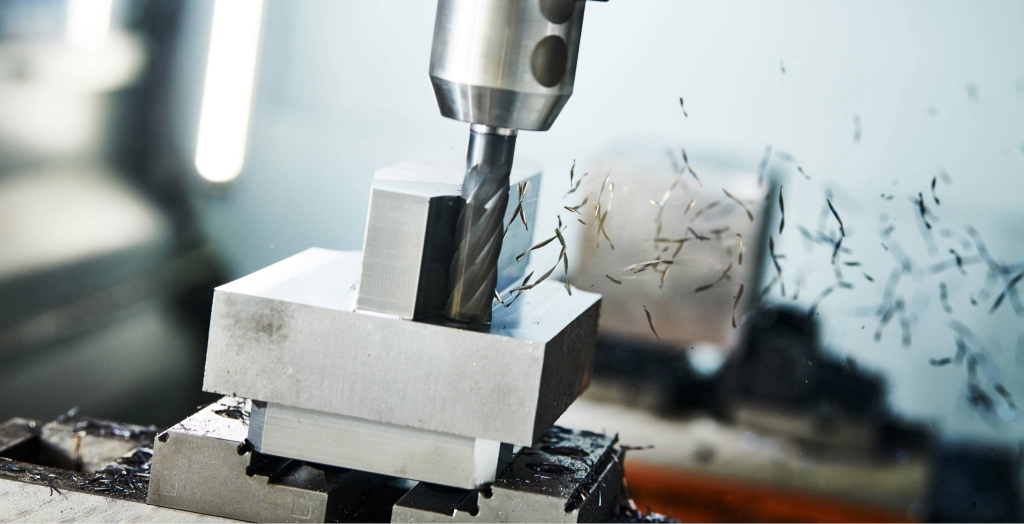
For larger production runs that require consistent output, automated CNC milling machines in Greeley, CO, provide the repeatability needed to produce larger quantities efficiently.
Automation reduces repeated manual tasks while helping the milling process continue efficiently. Our team at Roberson Machine Company applies automated milling when it fits the component, machining setup, and production schedule.
Learn More About
- What makes CNC milling automated
- How automation supports CNC milling production
- Which parts and features suit automated milling
- Where automated milling supports industrial applications
- How different Greeley, CO, automated CNC milling machines fit production needs
- How tooling, inspection, and documentation support repeat orders
- When automation makes sense for milling production
- FAQs about cost, volume, scrap, prototypes, and unattended production
If you need automated CNC milling for repeat production in Greeley, CO, request a quote online or call 573-646-3996 to discuss your drawing, quantities, and target timeline.
How Is CNC Milling Automated?
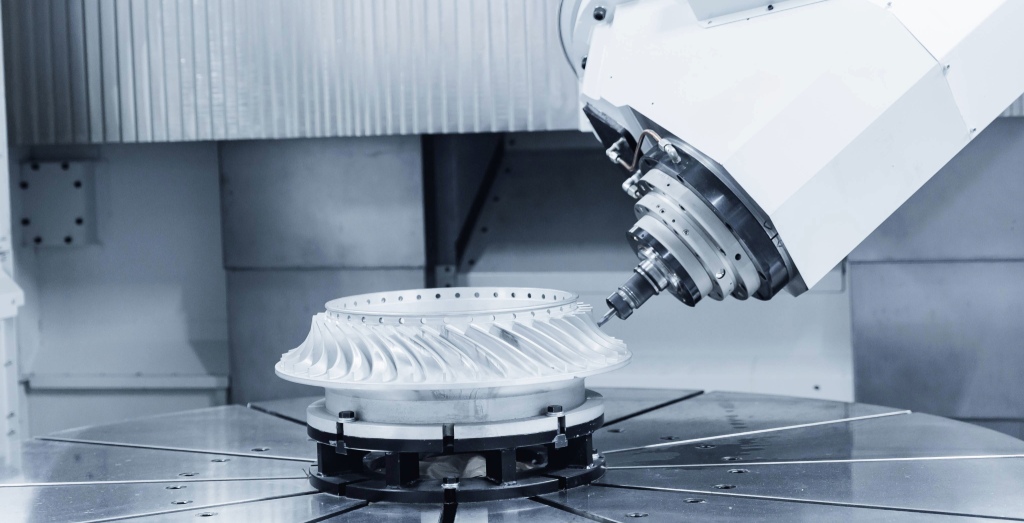
Automated CNC milling uses CNC machine automation by combining CNC machining instructions with equipment and routines designed to reduce repeated manual tasks. Computer numerical control directs tool movement during machining. Automated functions reduce the number of production steps that depend on an operator stopping or restarting the machine.
- CNC programming: CNC programming defines how the tool moves as well as the spindle speed, cutting depth, and other machine instructions.
- Automated machine functions: Programmed equipment functions allow certain production steps to continue without repeated operator input.
- Production controls: Machine monitoring and automated routines help coordinate each stage of the production cycle.
How Automated CNC Milling Supports Production in Greeley, CO
Reduce Routine Machine Handling
Robotic machine tending can perform repeated handling tasks between machining cycles:
- Placing parts into the machine and unloading them after machining
- Positioning parts or pallets for the next operation
- Initiating the next programmed machining cycle
- Managing additional repetitive steps in the production process
Keep CNC Equipment Cutting Longer
Automated functions can limit downtime between repeated steps and keep appropriate jobs moving when manually tended equipment might otherwise stop.
Some setups can also support lights-out manufacturing with limited direct supervision.
Create a Repeatable Production Process
Automated milling setups can maintain an established process and improve consistency in mass-production CNC machining.
Repeat runs can follow the previously approved:
- Fixture and workholding setup
- Tool sequence
- Approved machine program
- Established inspection routine
Build Quality Checks Into Production
Automated probing can check part position and selected dimensions during production instead of waiting until the entire run is complete. Measurement results help the machining team catch dimensional drift before it creates problems throughout the remaining production run.
Process control can also include tool monitoring and programmed checks for wear, positioning errors, or changes that influence finished dimensions.
Which Parts Suit Automated CNC Milling?
Automated CNC milling works best for parts that can follow an established machining process across multiple production cycles. Parts can still include complex features when the setup and machining sequence remain repeatable.
- Brackets, mounts, plates, and housings
- Automation tooling and fixtures used in production
- Fluid-control manifolds and valve components
- Components containing pockets, slots, holes, and machined mounting surfaces
- Robot tooling and parts requiring machining on multiple sides
Automated CNC milling supports components made from a variety of materials. Roberson Machine Company produces components from plastics along with metallic materials such as stainless steel. The production plan accounts for how the chosen material and stock affect cutting, tooling, and workholding.
Industries That Use Automated CNC Milling Machines in Greeley, CO
Automated milling fits production environments where parts follow repeatable processes with fewer manual stops. The specific role changes across industrial machining applications, supporting equipment and production needs in the medical, automotive, robotics, food, and energy sectors.
| Industry | How Automated CNC Milling Fits |
|---|---|
| Automotive & Heavy Machinery |
Automotive and heavy equipment production uses CNC-milled tooling, fixtures, mounts, housings, and other recurring components. Vehicle manufacturers use machining for work ranging from production tooling to completed parts. Learn more about the role of CNC machining in automotive manufacturing. |
| Medical & Pharmaceutical |
Medical and pharmaceutical equipment uses machined parts in robotic, laboratory, and production systems requiring controlled motion and consistent operation:
Machined components help medical equipment maintain accurate movement, positioning, and consistent operation. This performance depends partly on CNC-machined automation components in the medical industry. |
| Automation & Robotics |
Automation and robotics systems rely on machined tooling, mounts, adapters, fixtures, end effectors, and other components used in repeated motion or production cycles. Machined parts provide structural support, controlled movement, and tooling connections for robotic equipment. CNC robotics and automation combine machining and automated equipment within increasingly connected production systems. |
| Oil & Energy |
Pumps, valves, drilling equipment, control systems, and other oil and energy assemblies may depend on durable machined components. Automated machining can reduce interruptions between repeated operations during longer production runs. The impact of automation in oil and gas parts manufacturing may affect machining, material handling, and additional stages of production. |
| Food & Beverage |
Food and beverage equipment includes machined components used in conveying, filling, processing, and packaging systems:
|
Which Automated CNC Milling Machines Support Production in Greeley, CO?
Manufacturers select automated milling machines with different axis arrangements and spindle orientations. These machine characteristics influence workpiece positioning, cutting-tool access, and the number of setup changes required.
3-Axis CNC Milling
Three-axis machining uses movement across the X, Y, and Z directions. It works well for parts with accessible surfaces, pockets, holes, slots, and other features that require limited repositioning.
4-Axis CNC Milling
A 4-axis CNC mill incorporates rotary movement that brings additional sides of the workpiece within tool reach without repeated manual resets.
5-Axis CNC Milling
Five-axis movement supports machining across angled surfaces, curved contours, and several faces of a component. 5-axis CNC milling machines can reduce the need to reset the workpiece between different machining operations.
- Approach part features from additional directions
- Reduce manual repositioning between operations
- Maintain relationships between features on different faces
Machining additional features in a single setup is among the advantages of 5-axis CNC machining. Differences in setup requirements, tool access, and machine movement across 3-axis, 4-axis, and 5-axis CNC milling can guide machine selection for a specific part.
Vertical and Horizontal CNC Milling
Vertical CNC mills place the spindle over the workpiece, while horizontal mills position it beside the part. Machine orientation affects how manufacturers position the workpiece, reach its features, remove chips, and plan the setup. Read about the pros and cons of vertical and horizontal milling or see how setups differ between vertical and horizontal milling machines.
Multi-Axis CNC Milling
Multi-axis milling combines movement across several axes so more features can be completed before the part leaves the machine. This approach can reduce part handling while simplifying automation for complex geometry. Read more about multi-axis machining.
Preparing Automated CNC Milling for Recurring Production
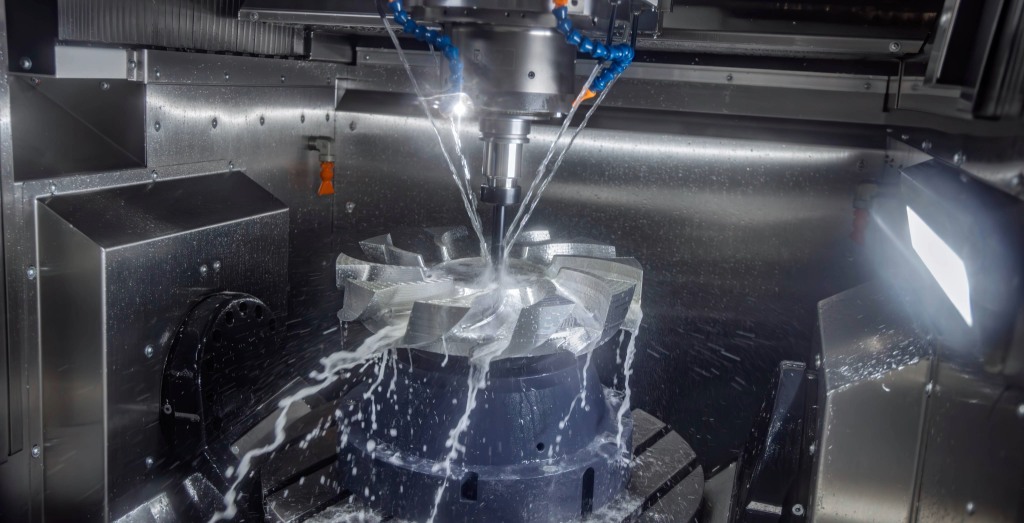
Repeat orders require more than loading and running the same CNC program again. The established tooling, material requirements, inspection steps, and job records should remain connected to the component.
Maintain Setup Documentation
Record workholding, tooling, machine parameters, and part orientation so future runs can follow an established process.
Track Tool Life
Machining tools experience wear as production continues. Monitoring replacement intervals helps limit changes in dimensions and surface quality during longer runs.
Build Inspection Into Production
The inspection plan may include first-piece, in-process, and final checks based on the part, order size, and length of the automated cycle.
Track Materials, Programs, and Revisions
Materials, drawings, programs, and authorized changes must remain aligned as new production orders are released.
Plan for Scale
As order sizes grow, scheduling, tooling, material supply, and inspection may need to change with them. These planning requirements also apply to bulk part production with CNC machining.
After establishing the process, manufacturers can use automated CNC milling to keep repeat runs moving with fewer manual interruptions.
When Is Automated CNC Milling a Practical Fit?
Automated CNC milling machines in Greeley, CO, fit production jobs that can follow a defined process with limited operator decision-making. As production quantities increase, automation can eliminate more repeated handling and machine delays, helping high-volume CNC milling often benefits from automated equipment.
- The part returns often enough to reuse an established setup and CNC program
- Loading, repositioning, or other routine handling creates avoidable stops
- The milling machine can complete several surfaces and features within a coordinated setup
- Production schedules benefit from running through breaks, shift changes, or longer unattended periods
Components still undergoing revision and machining cycles requiring regular intervention may benefit less from an automated setup. Prototype machining often involves additional hands-on work before the setup and machining sequence become repeatable.
Automated CNC Milling Machine FAQs for Greeley, CO
What determines automated CNC milling costs?
Manufacturers calculate automated milling costs around the part, material, tolerances, quantity, production setup, inspection plan, and required automation.
High-volume orders may justify greater upfront preparation because each completed part shares a portion of the setup and automation cost.
How quickly can an automated CNC milling project be completed?
Lead time includes more than the time an automated milling machine spends cutting. Preproduction work may include:
- Machine programming and process planning
- Preparing the required material
- Machine setup and workholding preparation
- Tool preparation and first-piece inspection
Established automation helps recurring production continue with fewer pauses for routine handling or machine advancement.
Does automated CNC milling require a high-volume order?
There is no single quantity that makes automation worthwhile for every job. The amount of recurring setup, handling, and machining work helps determine the value of automation.
A moderate recurring order with a stable setup may benefit more from automation than a larger batch that requires constant adjustment.
How does milling automation influence material waste?
Automation can reduce avoidable variation by keeping machining, handling, and inspection steps consistent across a production run. In-process checks may also catch problems before they affect a larger batch.
Potential sources of scrap still include:
- Cutting-tool wear and damage
- Material defects
- Incorrect programs or offsets
- Part-positioning or workholding problems
Production checks help detect tool, material, programming, and positioning problems before they continue through the batch.
Are prototypes and short production runs suitable for automated milling?
Automation can still make sense for shorter runs with a stable setup, repeated handling, or parts expected to return for future production.
Prototype jobs with frequent revisions may require closer operator involvement while the machining process is being developed.
Can Greeley, CO, manufacturers use lights-out CNC milling?
Unattended production becomes practical when the setup, tooling, process monitoring, and inspection plan can support reliable operation without constant oversight.
Manufacturers may use robotics, machine monitoring, programmed inspections, and additional practical approaches to CNC machine automation. Operators may need to remain involved when the setup is complex or the machining process changes throughout the run.
Work With Roberson Machine Company for Automated CNC Milling in Greeley, CO
Production planning at Roberson Machine Company starts with the part, order quantity and frequency, material, inspection needs, and production schedule.
Select the Right Automated Steps
The appropriate level of automation depends on part geometry, order size, production schedule, and repeated handling steps.
Account for Every Production Operation
Milling may be only one operation. A component can also move through precision CNC machining, turning, electrical discharge machining, multi-axis work, and final inspection.
Preserve the Process for Future Orders
Documented setups, tooling, programs, and inspection routines help the same part return to production without rebuilding the process from scratch.
Related machining services include:
- Plastic Machining
- Laser Engraving
- Wire EDM Parts
- Lathe Machine
- Precision Stainless Steel Machining
- CNC Lathe Machining
- Custom CNC Machining for Part Production
- CNC Machine Automation
- Oil and Gas Precision Machining
Provide your drawing, model, material requirements, order quantity, and target delivery date. Contact Roberson Machine Company online or call 573-646-3996 to review your automated CNC milling needs in Greeley, CO.