

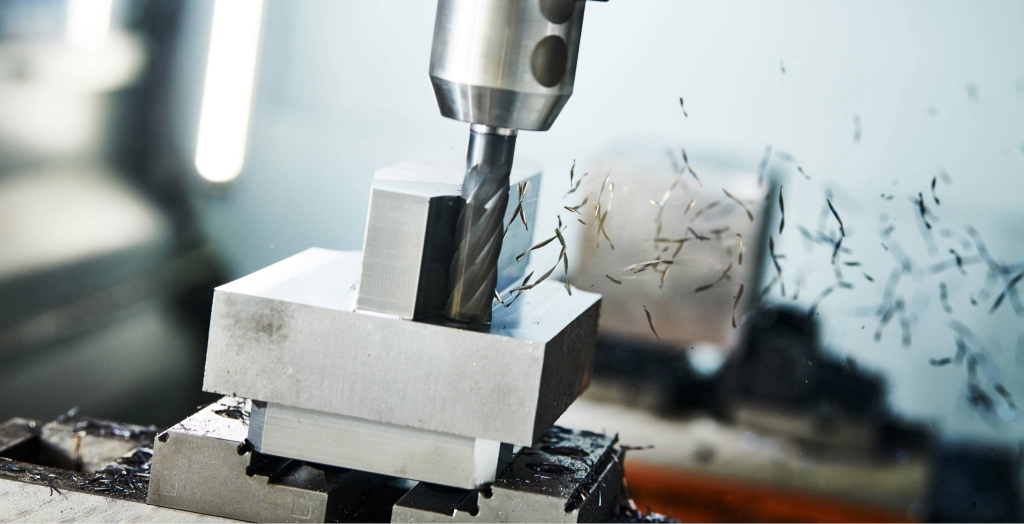
For larger production runs that require consistent output, automated CNC milling machines in Plano, TX, keep work moving while supporting reliable results from part to part.
Automated milling reduces the need for an operator to manage every repetitive step in the production process. Our team at Roberson Machine Company uses automated CNC milling where the geometry, setup, and order schedule make automation a practical fit.
Topics Covered
- What makes CNC milling automated
- How automation supports CNC milling production
- Which parts and features work well with automated milling
- Where automated milling supports industrial applications
- How different Plano, TX, automated CNC milling machines fit production needs
- How tooling, inspection, and documentation support repeat orders
- When automation makes sense for milling production
- FAQs about cost, volume, scrap, prototypes, and unattended production
If your part and production requirements support automated CNC milling in Plano, TX, request a quote online or call 573-646-3996 to discuss your production needs.
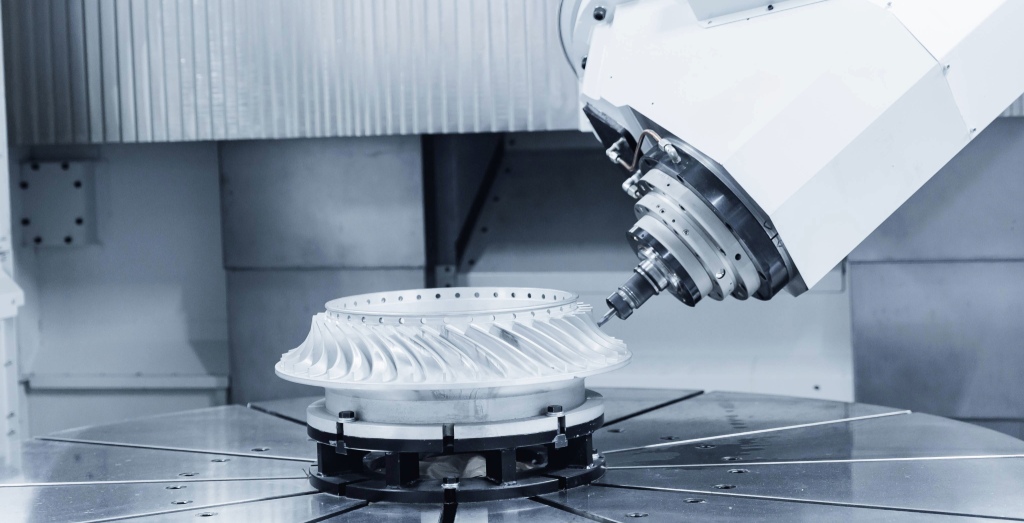
How Is CNC Milling Automated?
Automated CNC milling uses CNC machine automation to combine computer-controlled cutting with programmed equipment functions that limit manual handling during production. The CNC program directs the cutting path. Automation allows more of the production cycle to continue without waiting for routine operator input.
- CNC programming: CNC programming directs tool movement, spindle speed, cutting depth, and additional machining parameters.
- Automated machine functions: The machine can complete selected production tasks without an operator restarting or advancing every step.
- Production controls: Programmed controls track and coordinate equipment activity as production continues.
Why Manufacturers Use Automated CNC Milling in Plano, TX
Reduce Repetitive Machine Tending
Robotic machine tending can take over routine handling between machining cycles:
- Placing parts into the machine and unloading them after machining
- Moving parts or pallets into position
- Starting the next programmed cycle
- Managing additional repetitive steps in the production process
Reduce Idle Time Between Milling Cycles
Automated functions can limit downtime between repeated steps and keep appropriate jobs moving when manually tended equipment might otherwise stop.
Some setups can also support lights-out manufacturing when the process and equipment allow production with minimal direct oversight.
Create a Repeatable Production Process
Automated setups can preserve an established machining process and support consistency in mass-production CNC machining.
Future production runs can use the established:
- Fixture and workholding setup
- Established sequence of cutting tools
- Machine program
- Established inspection routine
Add Inspection Steps During Production
Selected dimensions and part position can be measured during machining through automated probing. This production data can reveal dimensional drift before the change carries across more completed parts.
Process control can also include tool monitoring and programmed checks for wear, positioning errors, or changes that influence finished dimensions.
What Parts Can Automated CNC Milling Machines Make?
Automated milling fits components that can move through the same established machining process from one cycle to the next. Complex component geometry may suit automation when each part uses the same setup and sequence of operations.
- Plates, housings, brackets, and mounts
- Automation tooling and fixtures used in production
- Fluid-control manifolds and valve components
- Parts with pockets, slots, holes, and machined mounting surfaces
- Robot tooling along with multi-sided components
Automated CNC milling supports components made from a variety of materials. Roberson Machine Company works with plastics as well as metals such as stainless steel. The selected material and starting stock influence tooling, workholding, and cutting decisions.
Industries Supported by Automated CNC Milling in Plano, TX
Automated CNC milling helps keep suitable parts moving through production while reducing repeated operator involvement. The production needs differ across industrial machining applications, with applications in medical manufacturing, automotive production, robotics, food processing, and the energy sector.
| Industry | How Automated CNC Milling Fits |
|---|---|
| Automotive & Heavy Machinery |
CNC milling produces tooling, fixtures, mounts, housings, and other components for scheduled automotive and heavy machinery production. Machining can support multiple stages of vehicle production, from production tooling to finished components. Learn more about the role of CNC machining in automotive manufacturing. |
| Medical & Pharmaceutical |
Medical automation uses machined components in robotic systems, laboratory equipment, pharmaceutical production, and other equipment where accurate movement and repeatable performance matter:
Machined components help medical equipment maintain accurate movement, positioning, and consistent operation. The same requirements shape CNC-machined automation components in the medical industry. |
| Automation & Robotics |
Machined tooling, mounts, adapters, fixtures, and end effectors support the recurring movements performed by automation and robotics systems. Those parts can support the structure, movement, and tooling built into robotic systems. CNC robotics and automation combine machining and automated equipment within increasingly connected production systems. |
| Oil & Energy |
Pumps, valves, drilling equipment, control systems, and other oil and energy assemblies may depend on durable machined components. For larger production quantities, automation can limit delays between recurring machining steps. The impact of automation in oil and gas parts manufacturing may affect machining, material handling, and additional stages of production. |
| Food & Beverage |
Food and beverage systems use machined parts across conveying, processing, filling, and packaging operations:
|
Automated CNC Milling Machine Types for Production in Plano, TX
Automated CNC milling machines vary by axis configuration and spindle orientation. These machine characteristics influence workpiece positioning, cutting-tool access, and the number of setup changes required.
3-Axis CNC Milling
A 3-axis milling machine positions the tool through X-, Y-, and Z-axis movement. Parts with accessible geometry and limited repositioning requirements often fit 3-axis milling.
4-Axis CNC Milling
The fourth axis provides rotary movement so additional sides of the workpiece can reach the cutting tool without being manually reset between operations.
5-Axis CNC Milling
Five-axis movement supports machining across angled surfaces, curved contours, and several faces of a component. 5-axis CNC milling machines can complete more of that work within one setup.
- Approach part features from additional directions
- Reduce manual repositioning between operations
- Preserve relationships among features on different faces
Reducing setup changes while completing more of the part is one of the advantages of 5-axis CNC machining. Comparing the available movement and tool access of 3-axis, 4-axis, and 5-axis CNC milling can guide machine selection for a specific part.
Vertical and Horizontal CNC Milling
Vertical CNC mills place the spindle over the workpiece, while horizontal mills position it beside the part. The direction of the spindle shapes workholding decisions, access to part features, chip removal, and setup planning. Review the pros and cons of vertical and horizontal milling or review the distinctions between vertical and horizontal milling machines.
Multi-Axis CNC Milling
By moving across multiple axes, the machine can reach additional features while the part remains in place. The process limits repeated setups and supports more efficient automated production of complex parts. Review Roberson’s capabilities for multi-axis machining.
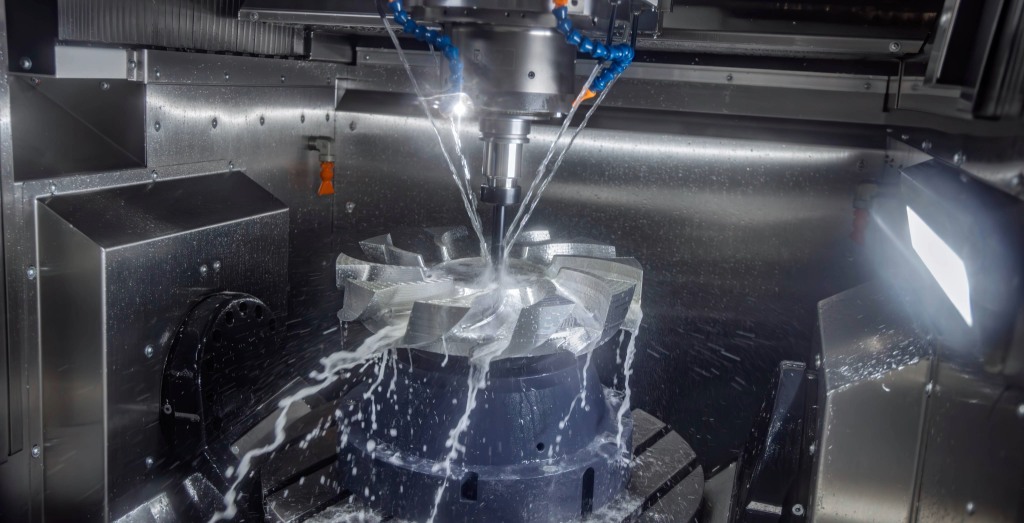
Planning Automated CNC Milling for Repeat Production
Repeat orders require more than loading and running the same CNC program again. Tooling records, inspection requirements, material specifications, and job documentation must also carry into future runs.
Document the Setup
Capture the fixture arrangement, tooling, machine settings, and component orientation for use during future runs.
Plan Around Tool Life
Tool condition changes over repeated cutting cycles. Replacing tools at established intervals helps maintain dimensional and surface consistency as quantities increase.
Include Inspection in the Production Process
First-piece approval, in-process checks, and final inspection can reflect the component requirements and production quantity.
Maintain Material and Revision Control
Each production release should use the appropriate material specification, drawing, program, and approved revision.
Plan for Scale
Higher quantities can affect the production schedule as well as tooling, material supply, and inspection requirements. The same production factors influence bulk part production with CNC machining.
Consistent planning helps automated milling machines reduce operator-dependent tasks and idle periods across future orders.
When Do Milling Machines Make Sense in Automated Production?
Automated milling machines in Plano, TX, make sense in production when enough of the job can run through a defined process without constant operator decisions. Larger production runs allow automation to reduce more operator-dependent pauses and handling tasks, which can make high-volume CNC milling may gain greater value from automated production.
- The part returns often enough to reuse an established setup and CNC program
- Repeated part loading and repositioning create delays that automation can reduce
- The milling machine can complete several surfaces and features within a coordinated setup
- The job can continue productively through breaks, staffing transitions, or selected unattended periods
The value of automation decreases when part designs change often or machinists must adjust the process throughout production. Prototype machining typically involves more active oversight while tooling, setups, and machining steps are being finalized.
FAQs About Plano, TX, Automated CNC Milling Machines
What determines automated CNC milling costs?
Pricing depends on the part’s geometry and material as well as its tolerances, quantity, setup, inspection requirements, and automated production steps.
Higher-volume work may justify more setup and automation because those costs can be spread across more parts.
What is the lead time for automated CNC milling?
Automated milling lead times include the work required before and around the machining cycle. The project may need the following steps before machining begins:
- Machine programming and process planning
- Material sourcing and preparation
- Workholding and machine setup
- Selecting tools and inspecting the first completed part
Established automation helps recurring production continue with fewer pauses for routine handling or machine advancement.
What production volume makes automated CNC milling machines worthwhile?
The production volume that supports automation depends on the specific component and process. The decision depends more on how often identical production steps repeat throughout the order.
Stable repeat orders can gain more from automation than higher-volume work requiring continual operator changes.
How does milling automation influence material waste?
Consistent machining cycles, part handling, and inspection routines can help automation reduce avoidable process variation. Measurements taken throughout the run can identify problems before more material is machined incorrectly.
Material waste may still occur because of:
- Worn or damaged cutting tools
- Material defects
- Incorrect programs or offsets
- Workholding errors and incorrect part positioning
Tracking the process throughout production can reveal problems before they affect a larger quantity.
When is automated CNC milling practical for prototypes or short runs?
Shorter runs may benefit from automation when the setup remains stable, handling tasks repeat, or the component will return for future orders.
Hands-on machining may remain more practical while prototype geometry, tooling, and process decisions are still changing.
Do automated CNC milling machines support unattended production in Plano, TX?
Some automated CNC milling machines can support unattended or lights-out production when the workholding, tooling, monitoring, and inspection plan are stable enough for limited direct supervision.
Extended unattended production may use robotic tending, machine monitoring, programmed inspection, and other practical approaches to CNC machine automation. Regular operator involvement may still be necessary for complex setups or jobs requiring frequent adjustments.
Work With Roberson Machine Company for Automated CNC Milling in Plano, TX
Production planning at Roberson Machine Company considers the component geometry, production volume and frequency, selected material, quality requirements, and schedule.
Apply Automation Where It Fits
Component geometry, order volume, scheduling, and handling requirements guide which milling steps should use automation.
Account for Every Production Operation
The full production plan may include several processes beyond milling. A component can also move through precision CNC machining, turning, electrical discharge machining, multi-axis work, and final inspection.
Plan for Recurring Production
Production documentation preserves the workholding, tooling, CNC program, and inspections needed for later runs.
Additional Roberson Machine Company services include:
- Plastic Machining
- Laser Engraving
- Wire EDM Parts
- Lathe Machine
- Precision Stainless Steel Machining
- CNC Lathe Machining
- Custom CNC Machining for Part Production
- CNC Machine Automation
- Oil and Gas Precision Machining
Provide your drawing, model, material requirements, order quantity, and target delivery date. Contact Roberson Machine Company online or call 573-646-3996 to discuss your automated CNC milling machine project in Plano, TX.