

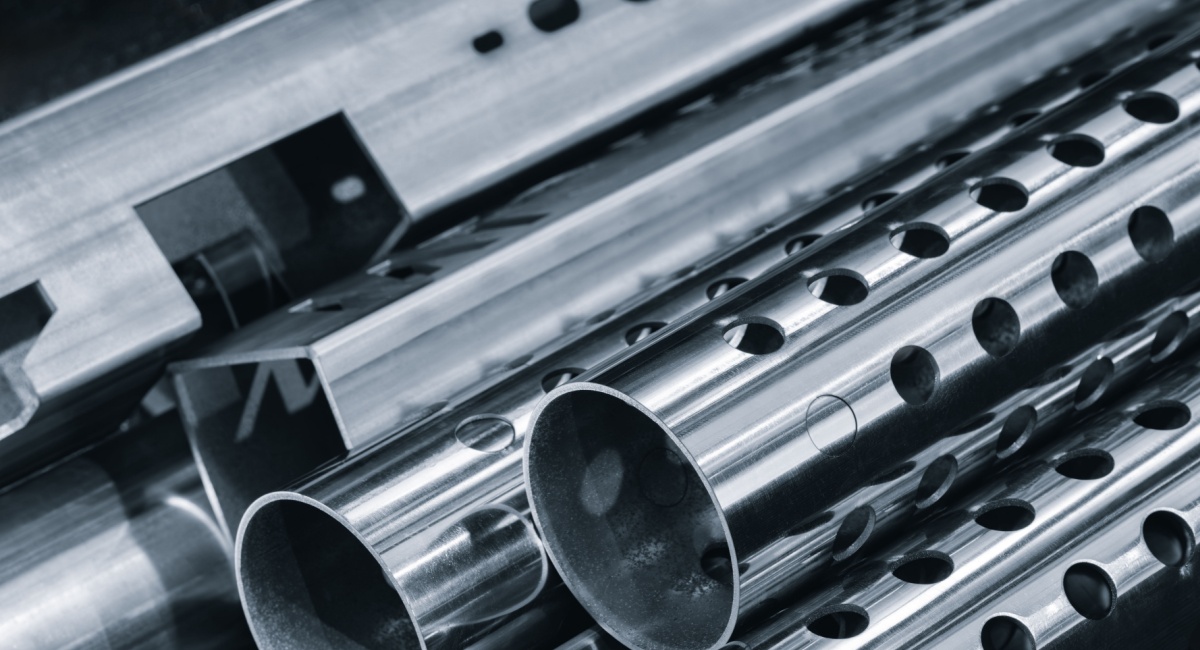
Precision stainless steel machining in Spartanburg, SC, is commonly used for components requiring corrosion resistance, structural integrity, and sustained performance. At Roberson Machine Company, precision stainless steel machining supports parts built to operate reliably under pressure, environmental exposure, and regulated service conditions.
Learn More About
In regulated and high-performance sectors such as medical and aerospace, stainless parts are commonly used where consistent operation is required. We support short-, medium-, and high-volume stainless production across a wide range of geometries and grades, including components that scale into long-term production similar to many everyday machinery components produced at scale. To review your requirements, contact us online or call 573-646-3996 to discuss Spartanburg, SC, precision stainless steel machining with our team.
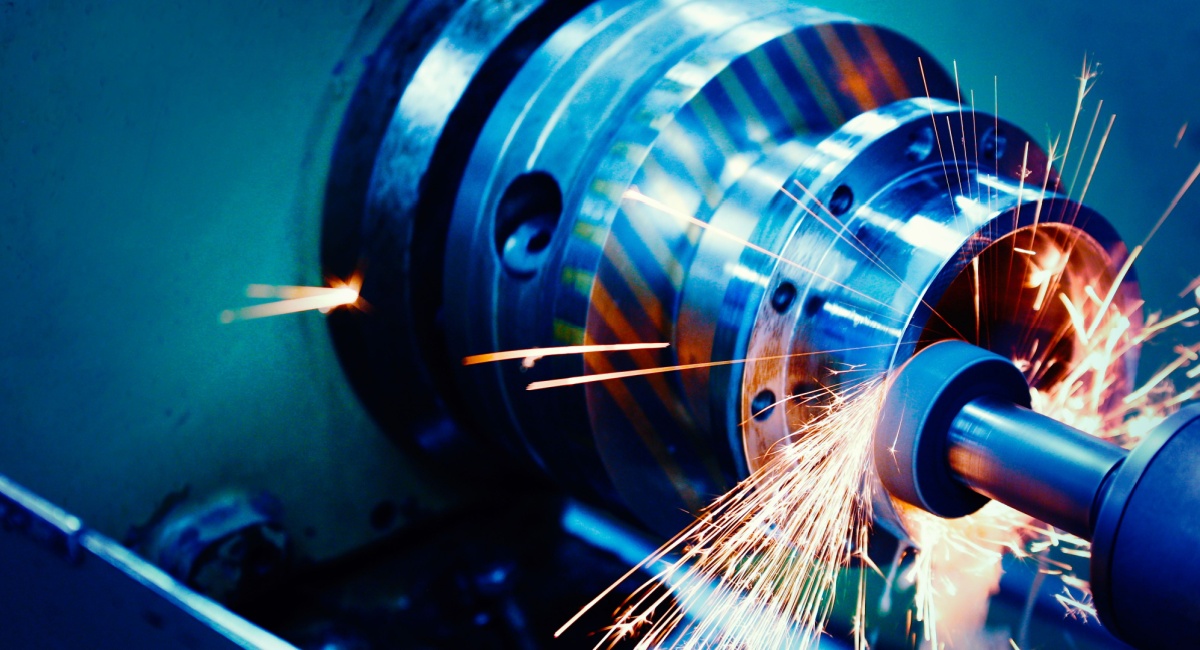
Applications for Precision Stainless Steel Machining in Spartanburg, SC
Precision stainless steel machining is selected when environmental conditions, applied loads, or regulatory standards directly affect in-service performance. In medical manufacturing, food and beverage processing, oil and energy infrastructure, aerospace components, and automotive and heavy equipment systems, material selection supports durability under exposure, pressure, and routine cleaning. It also serves other industries where corrosion resistance and extended service life are priorities.
Corrosive or Washdown Conditions
Components operating in moisture, chemical, or sanitation-heavy environments depend on stainless materials to preserve functional surfaces over time. Applications like precision valve bodies and laboratory assemblies run in conditions where surface breakdown cannot be tolerated.
Washdown environments and corrosive conditions subject components to regular exposure. Daily cleaning, chemical agents, fluctuating temperatures, and constant humidity are common. Stainless alloys help safeguard:
- Sealing interfaces that depend on smooth, repeatable contact
- Threaded connections and mating parts that cannot seize
- Exterior surfaces designed to meet sanitation and inspection needs
Material decisions in washdown settings shape service intervals, maintenance needs, and durability over time.
Pressure & Fluid Handling
Components such as valve bodies and manifolds operate through repeated pressurization and prolonged service exposure. Material stability in these systems affects sealing integrity and long-term performance.
Fluid-handling systems commonly encounter:
- Variable internal pressures that affect sealing surfaces
- Interaction with corrosive or temperature-sensitive materials
- High-cycle operation that accelerates wear in critical regions
Spartanburg, SC, precision stainless steel machining supports dependable sealing and reduces corrosion risk that could impact threads, bores, or finely machined surfaces.
Load-Bearing & Wear-Sensitive Parts
Applications involving structural hardware, aerospace components, and automation systems like end-of-arm robotic tooling require materials that withstand mechanical loads and environmental conditions.
In these environments, stainless can be chosen to provide:
- High-cycle loading and vibration effects
- Wear at sliding or contact surfaces
- Combined environmental exposure to stress and corrosive elements
The relationship between strength and corrosion resistance supports structural stability without reducing long-term durability in harsh applications.
Common Components Produced with Stainless Steel
These service conditions guide the selection of stainless components. Engineers often specify stainless when corrosion resistance and load-bearing capability are required in the same feature.
- Sealing and flow-control components: Valve bodies, manifolds, fittings, and fluid-handling hardware where corrosion resistance and sealing geometry affect performance.
- Sanitary and washdown hardware: Housings, brackets, and mounting components used in food, pharmaceutical, and laboratory environments.
- Load-bearing mechanical elements: Shafts, pins, fasteners, and structural hardware exposed to mechanical stress and environmental conditions.
- Automation and equipment assemblies: Wear surfaces, guides, tooling interfaces, and mechanical features used in continuous-duty industrial systems.
Choosing the Right Stainless Steel for Spartanburg, SC, Precision Machining
Stainless materials span several alloy categories tailored for specific corrosion and strength requirements. In precision CNC machining, the selected grade influences tool wear rates, finish quality, dimensional repeatability, and service performance. In precision stainless steel machining, identifying the proper alloy early reduces later production risk.
Corrosion exposure must match the service environment
Moisture, chlorides, chemical agents, sanitation cycles, and temperature shifts determine which grades are suitable. Stainless steel resists rust through a chromium-based passive layer, though severe environments can weaken that protection. In precision stainless steel machining, corrosion resistance must correspond to real-world operating conditions.
Mechanical requirements influence alloy family selection
Performance characteristics such as hardness, strength, fatigue life, and temperature tolerance differ across stainless families. 17-4 PH and similar alloys achieve higher strength via the phase changes common to precipitation-hardening stainless steels.
Machinability affects cost and process stability
The cutting behavior of stainless differs from that of carbon steel or aluminum. Austenitic materials can work harden during machining, affecting chip formation and tool longevity.
Downstream processes narrow viable grade options
Welding, heat treatment, passivation, electropolishing, coating, and inspection requirements can eliminate certain alloys early in the selection process.
Primary Stainless Steel Families Used in Precision Machining
Most projects involving Spartanburg, SC, precision stainless steel machining draw from a core group of frequently specified alloy families:
- 300 Series (Austenitic) — 303, 304/304L, and 316/316L. Stainless alloys known for corrosion resistance across industrial and regulated environments.
- Precipitation-Hardening Stainless — 17-4 PH. Selected for applications requiring increased strength through heat treatment.
- 400 Series (Martensitic) — 410, 420, 416. Harder, magnetic grades with improved wear resistance.
- Duplex Stainless — Selected for applications requiring both strength and improved stress corrosion resistance.
Machining Capabilities for Stainless Steel Components
Producing stainless components commonly requires multiple machining passes to manage thermal effects and cutting forces while completing functional details. Integrated workflows support alignment and geometric stability across processes.
- CNC Turning — Machines rotational features including bores and threads where concentricity affects performance.
- CNC Milling — Generates planar features, slots, and mounting interfaces under controlled tolerances.
- Multi-Axis CNC Machining — Helps maintain feature orientation by reducing multiple setup requirements.
- 5-Axis CNC Machining — Allows tool access to multi-surface features in one coordinated process.
- Wire EDM — Cuts accurate internal geometries and profiles in hardened stainless materials.
Prototype and first-article development are also supported by Spartanburg, SC, precision stainless steel machining capabilities, helping validate geometry and feature interaction before sustained production runs.
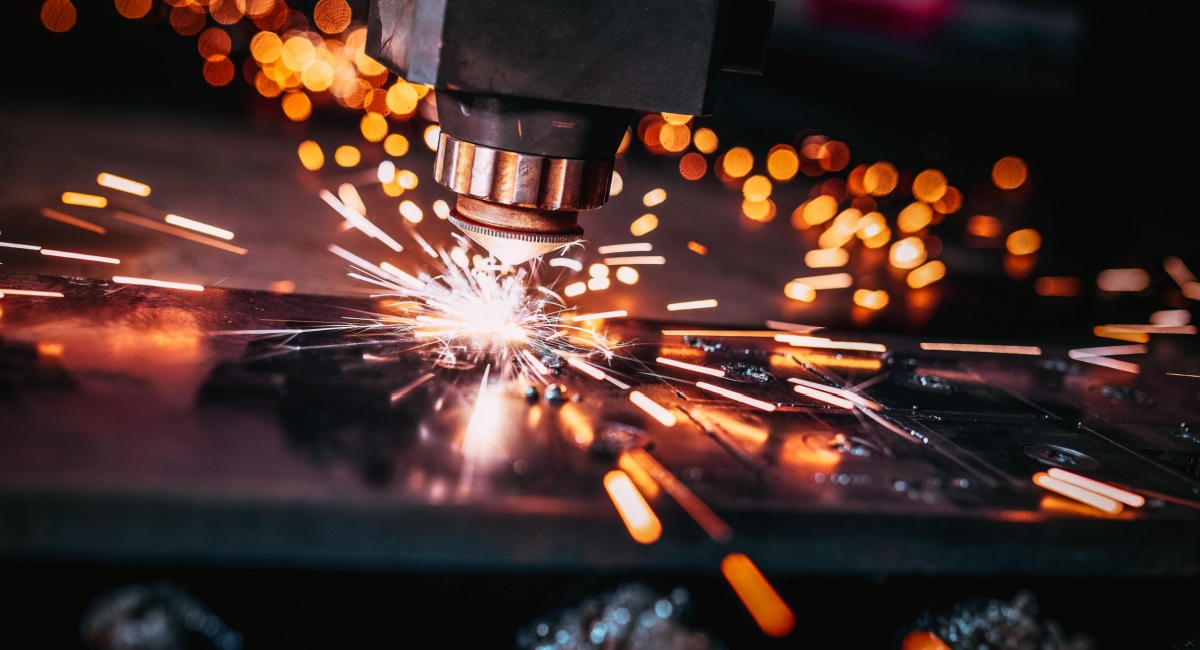
Stainless Steel in High-Volume Production
Stainless Steel in High-Volume Production
As high-volume CNC machining ramps up, stainless steel places added pressure on process discipline. Stability observed in early runs may shift as quantities reach sustained production levels.
At production scale, stainless production relies on three core controls:
-
Tooling strategy and wear management
Stainless generates higher cutting forces and thermal load, accelerating wear when machining parameters lack documentation and oversight. Verified tooling data, tracked offsets, and structured automation workflows support repeatability over long production cycles. -
Setup discipline across releases
Setup variation that seems negligible in early runs can become significant during sustained production. Defined fixturing standards and repeatable inspection procedures support long-term consistency. -
Material traceability and documentation
In multi-year or regulated manufacturing schedules, maintaining supplier documentation and material traceability becomes critical.
Maintaining Stability Between Production Cycles
High-volume stainless production in Spartanburg, SC, commonly moves through scheduled runs followed by downtime before resuming. These intervals expose variables that steady production cycles may not reveal.
- Tool libraries change and offsets migrate unless controlled against established standards.
- Service or calibration work can subtly affect setup alignment, especially in systems where thermal behavior in machine tools impacts dimensional results.
- Production revisions accumulate unless version-controlled documentation remains tied to the originally validated process.
- Changes in humidity, temperature, or incoming material batches can affect machining stability after downtime.
Stable stainless production at scale requires disciplined restarts, not just sustained volume. Each cycle should reconnect to the original validated process controls.
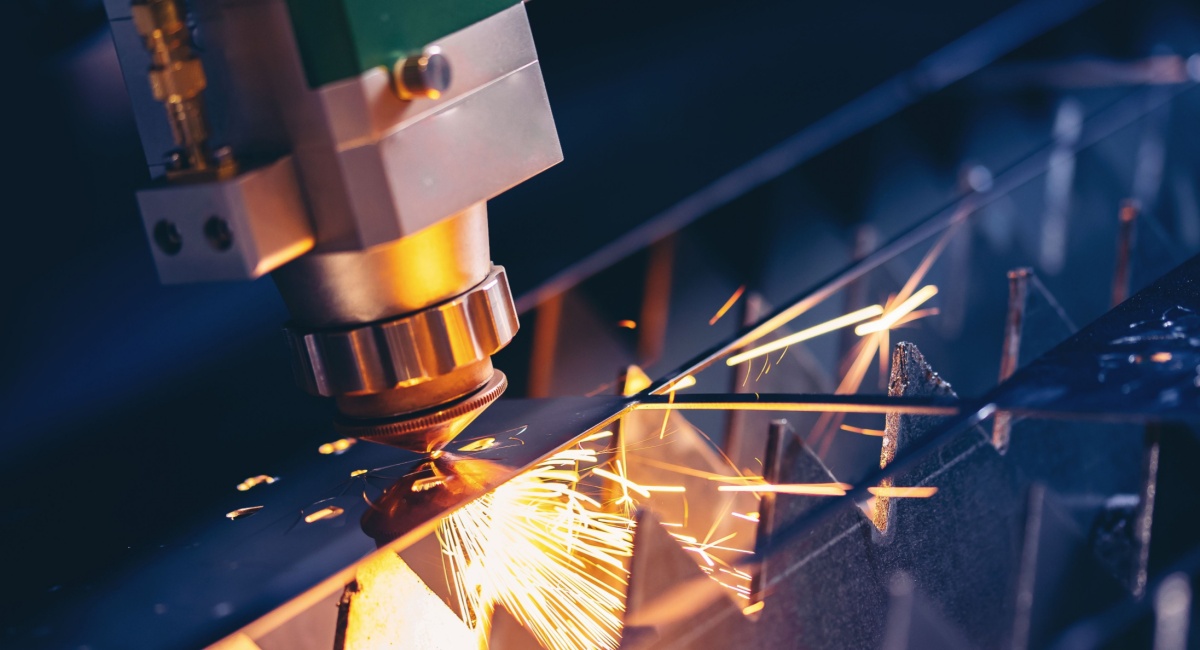
Frequently Asked Questions | Spartanburg, SC, Precision Stainless Steel Machining
When evaluating precision stainless steel machining for production work, most questions center on material selection, manufacturing stability, and long-term performance. These FAQs address common engineering and production considerations.
In what situations is stainless steel the appropriate choice for a machined part?
Stainless steel is typically chosen where corrosion resistance, mechanical loading, sanitation standards, or extended service life affect how the part must perform.
Precision stainless steel machining often supports components in controlled, washdown, pressure-containing, or load-bearing systems where alternative materials may fall short in durability.
When comparing 300 series, 400 series, and 17-4 PH stainless, what matters most?
Selection typically comes down to balancing corrosion performance, mechanical strength, and machinability.
- 300 series grades prioritize corrosion resistance and are widely used in sanitary and chemical environments.
- 400 series are selected for applications requiring greater hardness and abrasion resistance.
- 17-4 PH achieves increased mechanical strength through precipitation hardening for load-bearing parts.
Selecting the correct stainless grade requires evaluating service conditions, mechanical loading, and downstream fabrication steps.
How does machining stainless compare to machining other metals?
Compared to carbon steel or aluminum, stainless typically demands tighter control of cutting speeds and feeds. Some grades work harden under improper conditions, increasing tool wear and cutting resistance.
Structured tooling plans and stable fixturing allow stainless machining to perform reliably in both limited batches and sustained production runs.
Are stainless components suitable for large production runs?
Yes. Stainless is commonly produced in volume for automotive, medical, energy, and industrial systems.
In precision stainless steel machining, maintaining consistent results at scale depends on documented tooling, controlled offsets, and defined inspection checkpoints that protect geometry across extended runs.
What elements most affect the cost of machining stainless steel?
Grade selection, geometry, precision requirements, finish criteria, and release size each contribute to overall cost.
- Increased material hardness can elevate tooling requirements.
- Advanced geometries often increase setup complexity and machining time.
- Smaller batches typically increase setup-related cost allocation.
What controls support Spartanburg, SC, precision stainless steel machining across multiple releases?
Sustained repeat runs depend on validated setup documentation, managed tooling data, and consistent inspection standards.
Maintaining alignment with the validated release process prevents cumulative variation when production restarts.
What details are required to quote a Spartanburg, SC, precision stainless steel machining job?
Detailed prints, specified alloys, and defined production scope support reliable pricing evaluation.
- Current part prints with tolerances
- Preferred stainless grade (if known)
- Planned production quantities per run and annually
- Specified post-machining surface conditions
- Inspection or documentation needs
Initial conversations often refine material and process assumptions before cost is locked in.
Why Work with Roberson Machine Company for Spartanburg, SC, Precision Stainless Steel Machining?
Precision stainless steel machining demands more than equipment — it requires material judgment, controlled machining strategy, and production discipline. Roberson Machine Company supports stainless manufacturing solutions from early-stage validation through scaled production, with workflows built around how these alloys actually behave under load and heat.
Machining stainless involves variables that do not appear in aluminum or mild steel. Managing those conditions consistently across development and repeat production requires engineering insight and disciplined shop execution. Our team focuses on:
- Grade evaluation tied to documented service conditions
- Tooling and parameter control built around heat, force, and material response
- Multi-process machining strategies that preserve alignment and feature intent
- Baseline-driven production controls that support consistency across cycles
- Recorded heat-lot and certification tracking for long-term continuity
We also provide the following CNC services:
- Automated CNC Milling Machine
- Plastic Machining
- Laser Engraving
- Wire EDM Parts
- Lathe Machine
- CNC Lathe Machining
- Custom CNC Machining for Part Production
- CNC Machine Automation
- Oil and Gas Precision Machining
From sanitary components to structural hardware, Roberson Machine Company delivers precision stainless steel machining solutions built for production stability and long-term reliability. Learn more about our team, request a quote online, or call 573-646-3996 to explore your Spartanburg, SC, precision stainless steel machining requirements.