

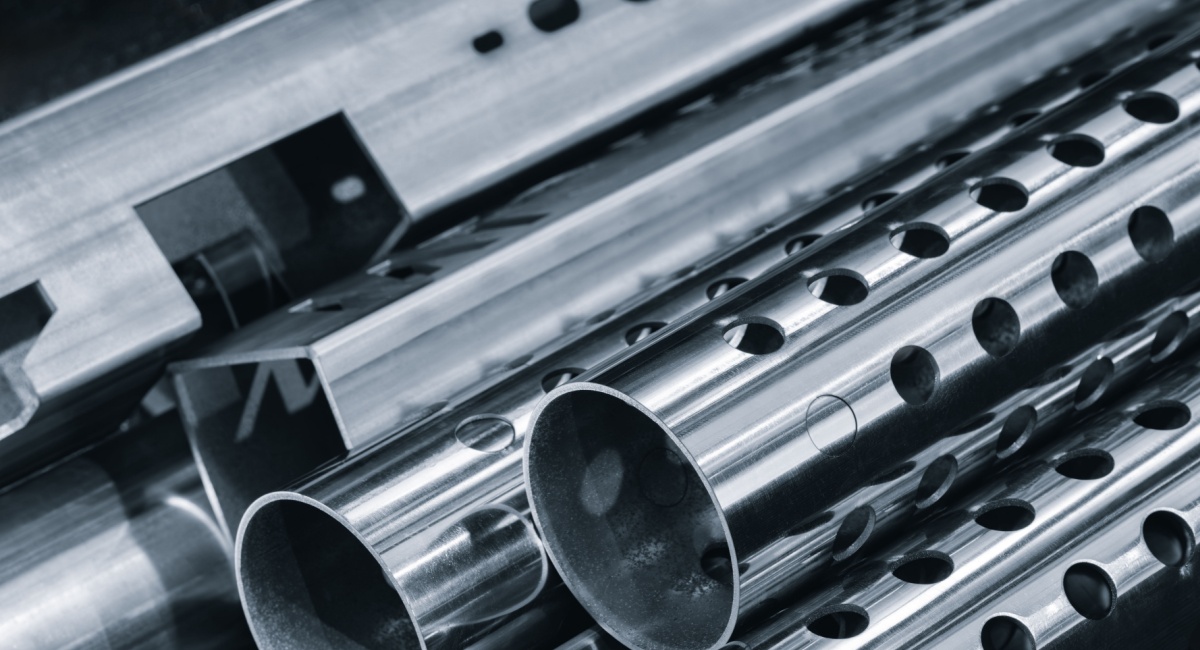
Precision stainless steel machining in Rochester, NY, is used to produce corrosion-resistant, load-bearing, and high-performance components where material behavior directly affects long-term function. At Roberson Machine Company, precision stainless steel machining supports production-ready parts built to perform under moisture exposure, pressure cycles, mechanical stress, and regulated service conditions.
Learn More About
In regulated and high-performance sectors such as medical and aerospace, stainless parts are commonly used where consistent operation is required. Our stainless capabilities extend from small batches to sustained high-volume production across numerous grades and geometries, including parts that mature into long-term manufacturing similar to many everyday machinery components produced at scale. Reach out online or call 573-646-3996 to speak with our team about your Rochester, NY, precision stainless steel machining project.
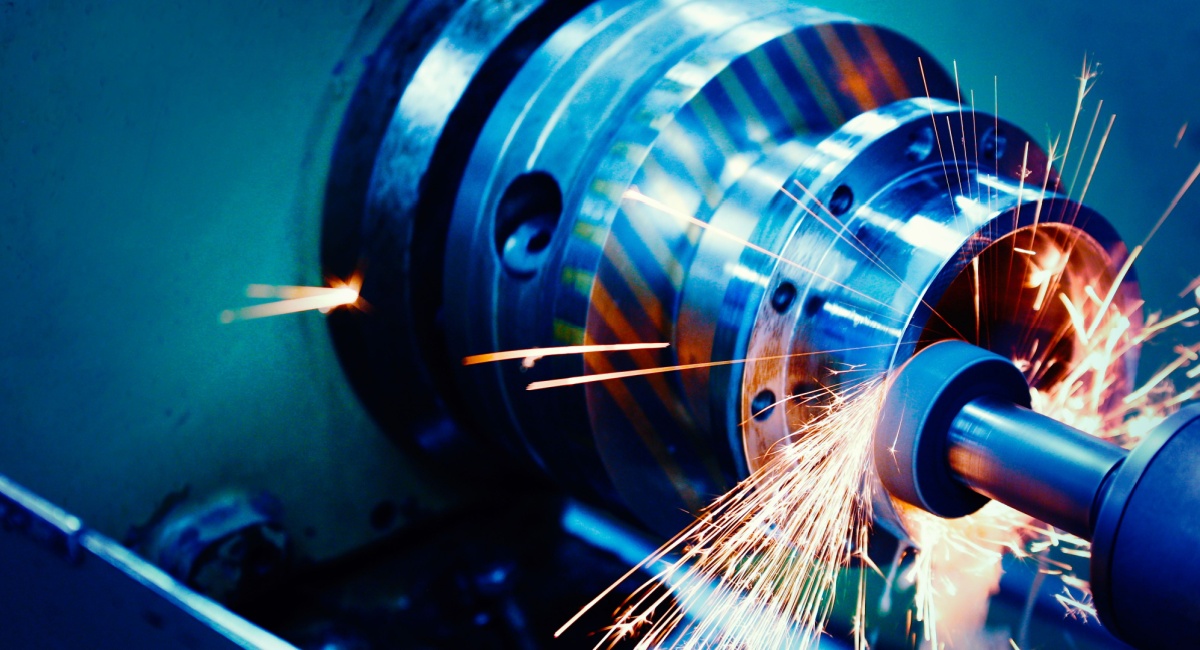
Applications for Precision Stainless Steel Machining in Rochester, NY
Precision stainless steel machining becomes essential when service environments, load demands, or regulatory expectations influence component behavior. In sectors such as medical manufacturing, food and beverage, oil and energy, aerospace, and automotive and heavy machinery, stainless materials support durability under exposure, stress, and ongoing cleaning cycles. It also appears in other industries where resistance to corrosion and sustained service life are required.
Corrosive or Washdown Conditions
Components exposed to moisture, chemicals, or sanitation procedures rely on stainless to maintain functional surfaces over time. Applications such as precision valve bodies and laboratory assemblies operate in environments where surface degradation is not acceptable.
In washdown and corrosive settings, exposure is rarely occasional. Equipment may face daily cleaning cycles, caustic solutions, temperature shifts, and continuous humidity. Stainless alloys help preserve:
- Sealing surfaces that must remain smooth and consistent
- Threads and mating features that cannot corrode or seize
- External finishes that support sanitation and inspection requirements
Choosing the appropriate material in corrosive environments impacts maintenance schedules and long-term system performance.
Pressure & Fluid Handling
Components such as valve bodies and manifolds operate through repeated pressurization and prolonged service exposure. Material stability in these systems affects sealing integrity and long-term performance.
Fluid-handling components often experience:
- Variable internal pressures that affect sealing surfaces
- Interaction with corrosive or temperature-sensitive materials
- High-cycle operation that accelerates wear in critical regions
Rochester, NY, precision stainless steel machining reinforces long-term sealing reliability while limiting corrosion that can degrade threads, bores, and critical machined areas.
Load-Bearing & Wear-Sensitive Parts
Structural hardware, aerospace components, and automation assemblies such as end-of-arm robotic tooling require materials that perform under mechanical stress while remaining resistant to environmental exposure.
In these applications, stainless may be selected to support:
- Repeated mechanical loading and vibration
- Wear at contact points or sliding interfaces
- Outdoor or industrial exposure that combines stress with corrosion
Balancing strength with corrosion resistance enables components to retain structural integrity while maintaining durability in demanding environments.
Common Components Produced with Stainless Steel
Environmental and mechanical requirements define the stainless components produced. The material is selected when structural performance and corrosion resistance must be maintained simultaneously.
- Sealing and flow-control components: Fluid-handling parts including valve bodies and fittings where corrosion resistance and sealing features are critical.
- Sanitary and washdown hardware: Brackets, enclosures, and mounts designed for routine cleaning environments.
- Load-bearing mechanical elements: Structural hardware such as shafts and fasteners exposed to mechanical and environmental demands.
- Automation and equipment assemblies: Mechanical interfaces, guide systems, and wear surfaces used in continuous-duty operations.
Choosing the Right Stainless Steel for Rochester, NY, Precision Machining
Stainless steel comprises distinct alloy families intended for different corrosion and strength demands. In precision CNC machining, grade selection shapes tool wear behavior, surface finish outcomes, dimensional precision, and long-term functionality. In precision stainless steel machining, selecting the right alloy early supports stable production and predictable performance.
Corrosion exposure must match the service environment
Moisture, chlorides, chemical agents, sanitation cycles, and temperature shifts determine which grades are suitable. Stainless steel resists rust through a chromium-based passive layer, though severe environments can weaken that protection. In precision stainless steel machining, corrosion resistance must correspond to real-world operating conditions.
Mechanical requirements influence alloy family selection
Stainless grades vary in strength, hardness, fatigue resistance, and high-temperature behavior. Alloys like 17-4 PH develop increased strength through the microstructural mechanisms associated with precipitation-hardening stainless steels.
Machinability affects cost and process stability
Stainless materials respond differently than carbon steel or aluminum during cutting. Austenitic grades may work harden during machining, affecting tooling life and surface consistency.
Downstream processes narrow viable grade options
Requirements related to welding, thermal processing, passivation, electropolishing, surface coating, and inspection can restrict grade selection early on.
Primary Stainless Steel Families Used in Precision Machining
Most Rochester, NY, precision stainless steel machining applications center on a limited number of widely specified alloy families:
- 300 Series (Austenitic) — 303, 304/304L, and 316/316L. Stainless alloys known for corrosion resistance across industrial and regulated environments.
- Precipitation-Hardening Stainless — 17-4 PH. Heat-treatable for higher strength in load-bearing or wear-sensitive components.
- 400 Series (Martensitic) — 410, 420, 416. Harder, magnetic grades with improved wear resistance.
- Duplex Stainless — Used where higher strength and resistance to stress corrosion cracking are both required.
Machining Capabilities for Stainless Steel Components
Stainless steel components often pass through successive machining operations to regulate heat, control tool loads, and finish functional features within secure setups. Coordinated sequencing maintains geometry and feature relationships between operations.
- CNC Turning — Establishes diameters, bores, and threaded features where rotational accuracy and sealing geometry matter.
- CNC Milling — Produces flats, pockets, slots, and mounting features while maintaining dimensional control.
- Multi-Axis CNC Machining — Helps maintain feature orientation by reducing multiple setup requirements.
- 5-Axis CNC Machining — Supports detailed geometries without multiple fixture changes.
- Wire EDM — Creates fine internal features within hardened stainless components.
Rochester, NY, precision stainless steel machining supports prototype and first-article development, confirming dimensional intent before moving into repeat or volume production.
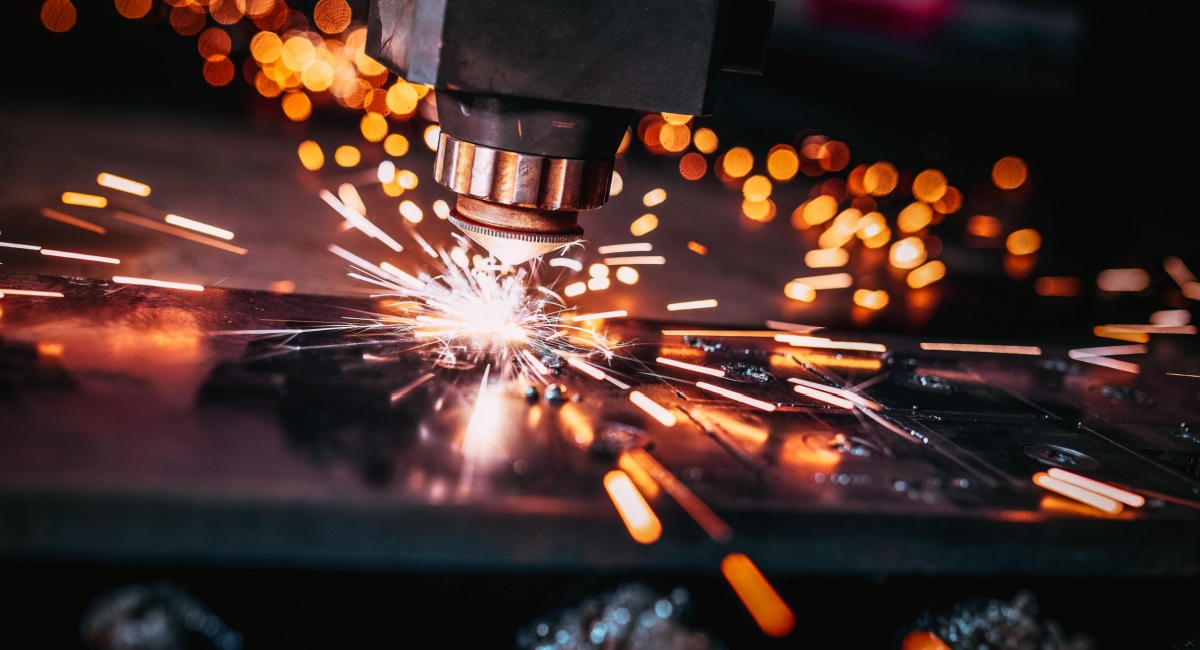
Stainless Steel in High-Volume Production
Stainless Steel in High-Volume Production
As high-volume CNC machining ramps up, stainless steel places added pressure on process discipline. Stability observed in early runs may shift as quantities reach sustained production levels.
When production scales, stainless components require attention to three key control factors:
-
Tooling strategy and wear management
Stainless generates higher cutting forces and thermal load, accelerating wear when machining parameters lack documentation and oversight. Verified tooling data, tracked offsets, and structured automation workflows support repeatability over long production cycles. -
Setup discipline across releases
Setup variation that seems negligible in early runs can become significant during sustained production. Defined fixturing standards and repeatable inspection procedures support long-term consistency. -
Material traceability and documentation
Material certifications, heat-lot tracking, and supplier records gain importance in regulated or long-term production environments.
Maintaining Stability Between Production Cycles
In Rochester, NY, high-volume precision stainless production may follow release schedules with extended gaps before restarting. Those pauses introduce stability risks absent in continuous manufacturing.
- Unmanaged tooling adjustments and offset updates can move away from originally validated conditions.
- Machine servicing or recalibration may introduce slight setup variation, especially where thermal behavior in machine tools impacts dimensional control.
- Production modifications can accumulate unless version-controlled documentation maintains alignment with the originally approved workflow.
- Material lot variation or environmental drift can influence cutting behavior once production resumes.
High-volume stainless manufacturing depends on more than continuous output. Restarting must align with the validated process controls established at release.
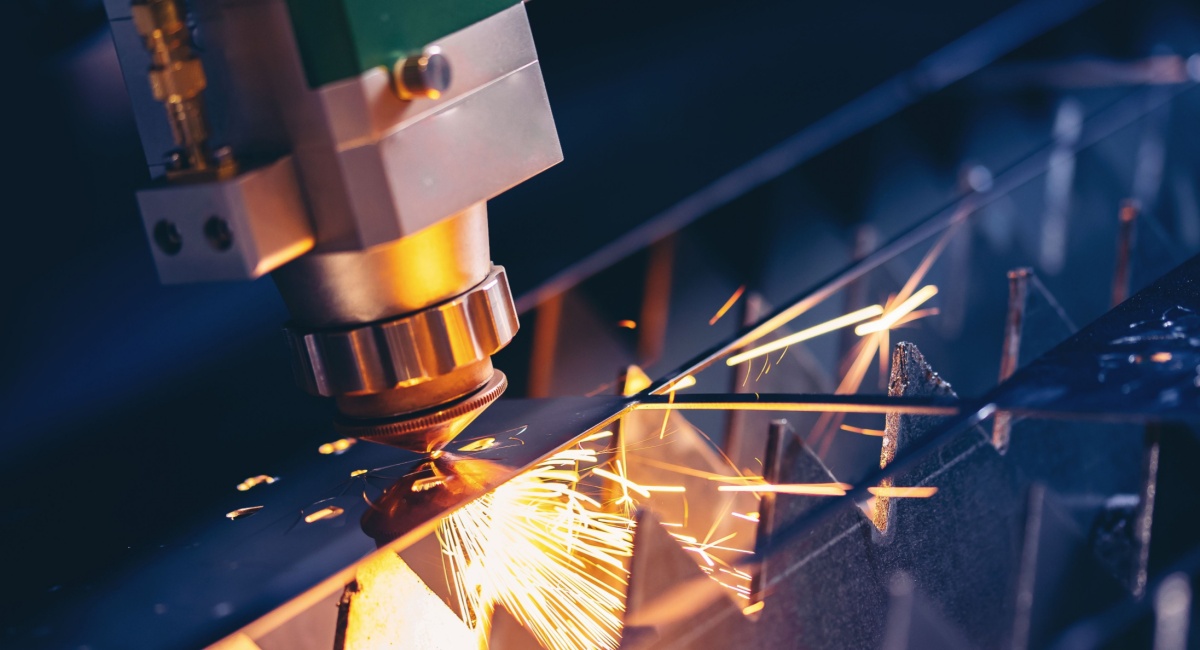
Frequently Asked Questions | Rochester, NY, Precision Stainless Steel Machining
Production-focused precision stainless steel machining decisions usually revolve around material selection, manufacturing stability, and long-term performance. These frequently asked questions highlight important engineering considerations.
When does a machined component require stainless steel?
Stainless steel is commonly selected when corrosion exposure, mechanical stress, sanitation requirements, or long service life directly influence part performance.
Within precision stainless steel machining, it commonly appears in regulated, moisture-intensive, pressure-driven, or structural applications where carbon steel or aluminum lack sufficient resistance.
What guides the selection of 300 series vs. 400 series vs. 17-4 PH stainless?
Selection typically comes down to balancing corrosion performance, mechanical strength, and machinability.
- 300 series are known for strong corrosion resistance in washdown, chemical, and regulated environments.
- 400 series are often used where durability and surface wear resistance matter.
- 17-4 PH is heat treatable for higher strength in structural components.
Precision stainless steel machining decisions must match alloy properties to service environment, structural requirements, and post-machining processes.
How does machining stainless compare to machining other metals?
Stainless machining often involves higher cutting forces than aluminum or mild steel, requiring disciplined parameter control. Work hardening in certain grades can accelerate tool degradation.
Disciplined parameter control and coordinated operations enable stainless steel to be machined effectively at varying production scales.
Can precision stainless parts be manufactured at scale?
Yes. Many automotive, medical, energy, and industrial programs rely on stainless steel for high-volume manufacturing.
Sustained stainless production requires tooling documentation, offset management, and repeatable inspection procedures to hold geometry across extended cycles.
What factors most influence cost in stainless steel machining?
Stainless machining cost is shaped by material grade, feature detail, tolerance levels, finish expectations, and production scale.
- Increased material hardness can elevate tooling requirements.
- Complex geometries may require multi-axis machining or additional setups.
- Limited release quantities can elevate per-part setup overhead.
What controls support Rochester, NY, precision stainless steel machining across multiple releases?
Repeat-cycle stability relies on preserved setup records, validated tool libraries, and consistent inspection benchmarks.
When manufacturing resumes after a pause, returning to documented process controls protects dimensional consistency.
How do I prepare for quoting a Rochester, NY, precision stainless steel machining project?
Providing complete design and production information improves quote precision.
- Released part drawings with defined dimensional tolerances
- Specified stainless alloy, if already defined
- Expected batch sizes and total annual output
- Post-machining treatment and surface criteria
- Defined inspection checkpoints and certification needs
Discussing requirements early can improve clarity around grade selection and production flow.
Why Work with Roberson Machine Company for Rochester, NY, Precision Stainless Steel Machining?
Successful precision stainless steel machining depends on more than shop capacity — it relies on material selection judgment, controlled machining strategy, and consistent production discipline. Roberson Machine Company supports stainless components from early-stage validation through high-volume production, using workflows aligned with how stainless behaves under heat and mechanical load.
Stainless alloys introduce machining variables not present in softer metals. Controlling those variables in both prototype quantities and sustained production calls for experience across engineering and shop operations. Our team focuses on:
- Practical grade selection aligned with real service conditions
- Machining methods structured to manage work hardening and thermal variation
- Integrated machining processes that hold dimensional relationships across features
- Repeat-production standards that prevent geometric drift
- Recorded heat-lot and certification tracking for long-term continuity
Expanded CNC services include:
- Automated CNC Milling Machine
- Plastic Machining
- Laser Engraving
- Wire EDM Parts
- Lathe Machine
- CNC Lathe Machining
- Custom CNC Machining for Part Production
- CNC Machine Automation
- Oil and Gas Precision Machining
From corrosion-resistant components to high-strength structural parts, Roberson Machine Company delivers precision stainless steel machining parts built for stable production and long-term performance. Learn more about our team, request a quote online, or call 573-646-3996 to discuss your Rochester, NY, precision stainless steel machining requirements.