

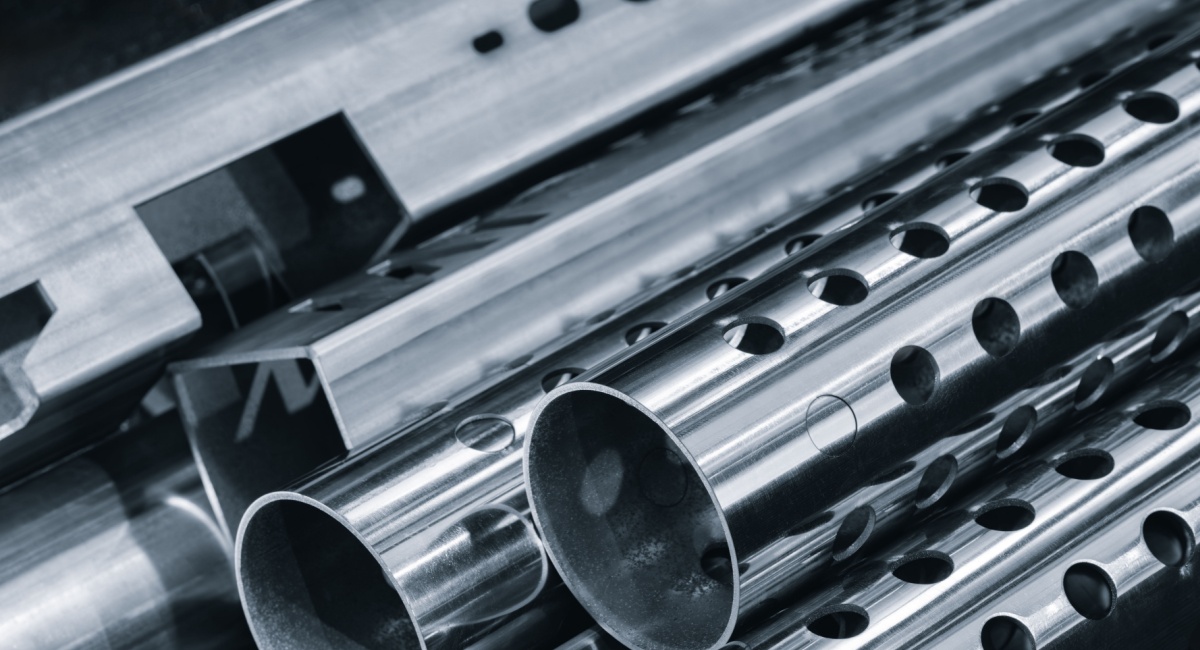
Precision stainless steel machining in Salt Lake City, UT, is applied to manufacture corrosion-resistant and load-bearing components in applications where material characteristics determine durability. At Roberson Machine Company, precision stainless steel machining produces production-ready parts designed for moisture exposure, cyclic pressure, mechanical stress, and compliance-driven environments.
Learn More About
From medical and aerospace assemblies to automation hardware and fluid-handling components, stainless parts often operate where failure is not an option. We handle stainless manufacturing from limited releases through high-volume output, covering multiple alloy grades and part types, including components that grow into repeat programs similar to many everyday machinery components produced at scale. If you are planning a stainless project, contact us online or call 573-646-3996 to discuss Salt Lake City, UT, precision stainless steel machining.
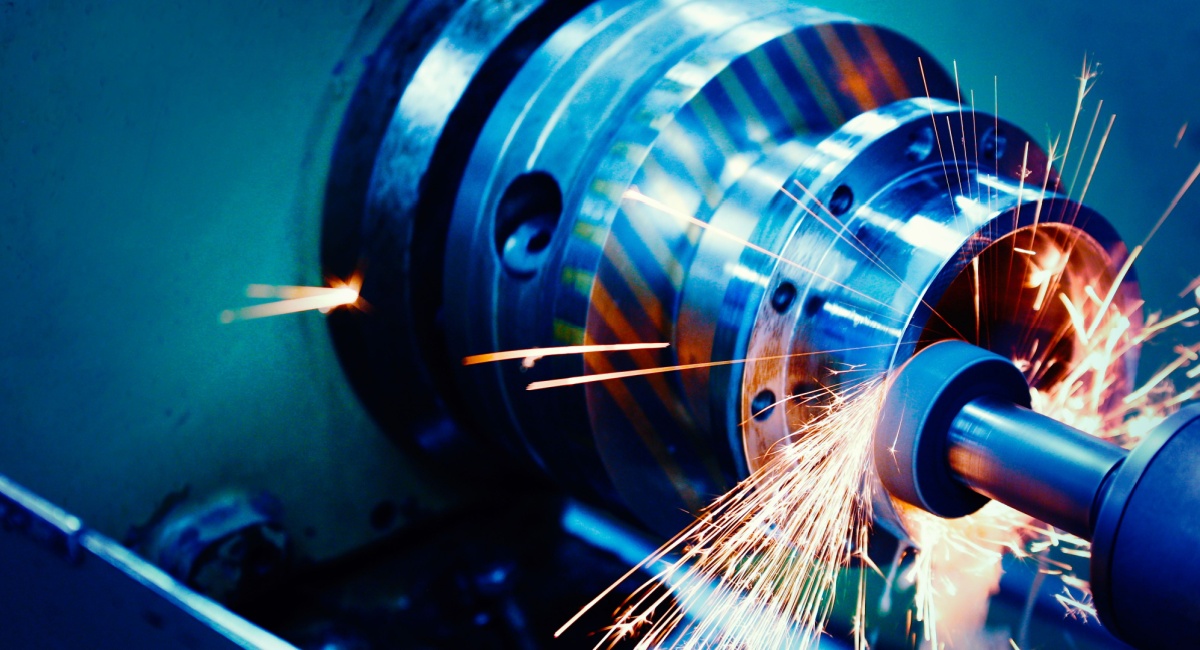
Applications for Precision Stainless Steel Machining in Salt Lake City, UT
Precision stainless steel machining becomes essential when service environments, load demands, or regulatory expectations influence component behavior. In sectors such as medical manufacturing, food and beverage, oil and energy, aerospace, and automotive and heavy machinery, stainless materials support durability under exposure, stress, and ongoing cleaning cycles. It also appears in other industries where resistance to corrosion and sustained service life are required.
Corrosive or Washdown Conditions
Exposure to moisture, chemicals, or cleaning processes places demands on surface performance, making stainless a practical material choice. Applications including precision valve bodies and laboratory assemblies operate where surface degradation is not permitted.
In washdown and corrosive settings, exposure is rarely occasional. Equipment may face daily cleaning cycles, caustic solutions, temperature shifts, and continuous humidity. Stainless alloys help preserve:
- Sealing surfaces that must remain smooth and consistent
- Threads and mating features that cannot corrode or seize
- External finishes that support sanitation and inspection requirements
Selecting stainless for these environments affects maintenance demands and sustained equipment performance.
Pressure & Fluid Handling
Valve bodies, manifolds, and related fluid components run under cyclical pressure and extended use. In these environments, material stability plays a central role in sealing and long-term reliability.
Fluid-management components are often subjected to:
- Pressure shifts that challenge sealing integrity
- Exposure to corrosive or heat-sensitive process media
- Repetitive operation that increases wear at precision interfaces
Salt Lake City, UT, precision stainless steel machining helps maintain sealing consistency and resists corrosion that may affect threads, bores, or machined surfaces over extended use.
Load-Bearing & Wear-Sensitive Parts
Structural hardware, aerospace components, and automation assemblies such as end-of-arm robotic tooling require materials that perform under mechanical stress while remaining resistant to environmental exposure.
Within these applications, stainless materials help address:
- Ongoing mechanical loads and vibration cycles
- Wear at mating surfaces or sliding contact areas
- Industrial or outdoor exposure where stress and corrosion occur together
The relationship between strength and corrosion resistance supports structural stability without reducing long-term durability in harsh applications.
Common Components Produced with Stainless Steel
The demands of these environments shape the components manufactured in stainless. Material selection frequently centers on parts that require both corrosion resistance and structural integrity.
- Sealing and flow-control components: Valve bodies, manifolds, fittings, and fluid-handling hardware where corrosion resistance and sealing geometry affect performance.
- Sanitary and washdown hardware: Housings, brackets, and mounting components used in food, pharmaceutical, and laboratory environments.
- Load-bearing mechanical elements: Shafts, pins, fasteners, and structural hardware exposed to mechanical stress and environmental conditions.
- Automation and equipment assemblies: Wear surfaces, guides, tooling interfaces, and mechanical features used in continuous-duty industrial systems.
Choosing the Right Stainless Steel for Salt Lake City, UT, Precision Machining
Stainless materials span several alloy categories tailored for specific corrosion and strength requirements. In precision CNC machining, the selected grade influences tool wear rates, finish quality, dimensional repeatability, and service performance. In precision stainless steel machining, identifying the proper alloy early reduces later production risk.
Corrosion exposure must match the service environment
Water, chlorides, chemicals, washdown cycles, and temperature variation influence which grades are appropriate. Stainless steel resists rust due to its chromium-rich passive layer, but aggressive conditions can compromise that protection. In precision stainless steel machining, corrosion performance must align with the actual service conditions the component will face.
Mechanical requirements influence alloy family selection
Mechanical demands related to strength, hardness, and fatigue performance guide grade selection. Alloys including 17-4 PH reach higher strength through microstructural adjustments typical of precipitation-hardening stainless steels.
Machinability affects cost and process stability
Stainless steel machines differently than carbon steel or aluminum. Austenitic grades may work harden during machining, which can influence tooling performance and surface finish.
Downstream processes narrow viable grade options
Fabrication, finishing, and inspection requirements can constrain which stainless grades remain viable before production begins.
Primary Stainless Steel Families Used in Precision Machining
Within Salt Lake City, UT, precision stainless steel machining applications, engineers typically work from a limited number of established alloy families:
- 300 Series (Austenitic) — 303, 304/304L, 316/316L. Widely used corrosion-resistant grades for sanitary, chemical, and process applications.
- Precipitation-Hardening Stainless — 17-4 PH. Selected for applications requiring increased strength through heat treatment.
- 400 Series (Martensitic) — 410, 420, and 416. Harder stainless grades suited for wear-focused applications.
- Duplex Stainless — Balances strength and corrosion resistance in chloride or chemically aggressive settings.
Machining Capabilities for Stainless Steel Components
Machining stainless components typically involves several operations to address heat buildup, cutting stress, and feature integration within stable fixtures. Structured workflows help preserve alignment and dimensional consistency across steps.
- CNC Turning — Forms diameters, internal bores, and threads where rotational precision and sealing integrity are critical.
- CNC Milling — Creates mounting surfaces and pockets while preserving feature alignment.
- Multi-Axis CNC Machining — Helps maintain feature orientation by reducing multiple setup requirements.
- 5-Axis CNC Machining — Supports detailed geometries without multiple fixture changes.
- Wire EDM — Creates fine internal features within hardened stainless components.
These Salt Lake City, UT, precision stainless steel machining services extend to prototype and first-article development, allowing geometry and feature alignment to be confirmed before scaling into repeat production.
Stainless Steel in High-Volume Production
Stainless Steel in High-Volume Production
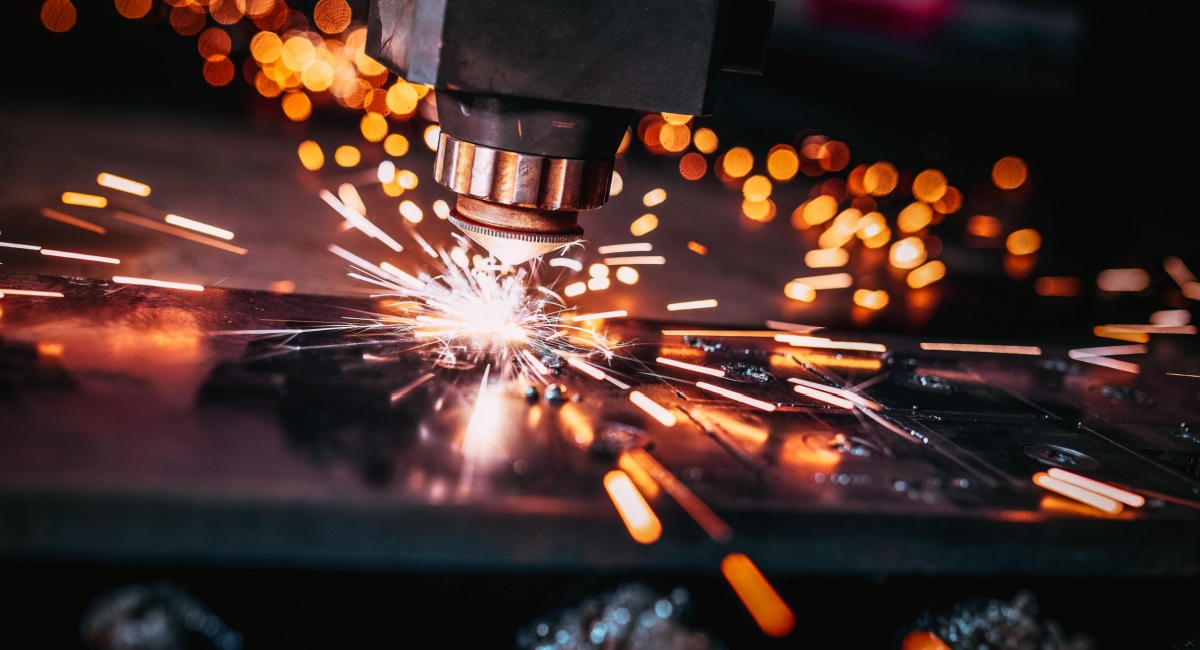
During high-volume CNC machining, stainless steel requires tighter control of machining variables. Performance that looks consistent in short batches can change once production volume increases.
At production scale, stainless production relies on three core controls:
-
Tooling strategy and wear management
Higher cutting stress and heat in stainless require disciplined tooling control to prevent premature wear. Managed offsets, standardized tool data, and structured automation workflows help sustain dimensional consistency. -
Setup discipline across releases
Small inconsistencies in fixturing or offset management can multiply over extended production. Structured setups and consistent inspection checkpoints protect geometry across releases. -
Material traceability and documentation
Certifications, heat lots, and supplier documentation become increasingly important in regulated or multi-year production schedules where continuity and accountability matter.
Maintaining Stability Between Production Cycles
High-volume precision stainless production in Salt Lake City, UT, operates in scheduled releases, pauses for months, and then restarts. Those time gaps introduce risks that continuous production does not expose.
- Offsets and tooling libraries may shift over time unless anchored to verified reference points.
- Maintenance cycles can subtly change setup geometry, particularly when thermal behavior in machine tools affects dimensional consistency.
- Documentation drift can occur unless version-controlled documentation remains connected to the approved release configuration.
- Material lot variation or environmental drift can influence cutting behavior once production resumes.
Maintaining consistency in high-volume stainless machining requires controlled restarts, tied directly to the original validated parameters.
Frequently Asked Questions | Salt Lake City, UT, Precision Stainless Steel Machining
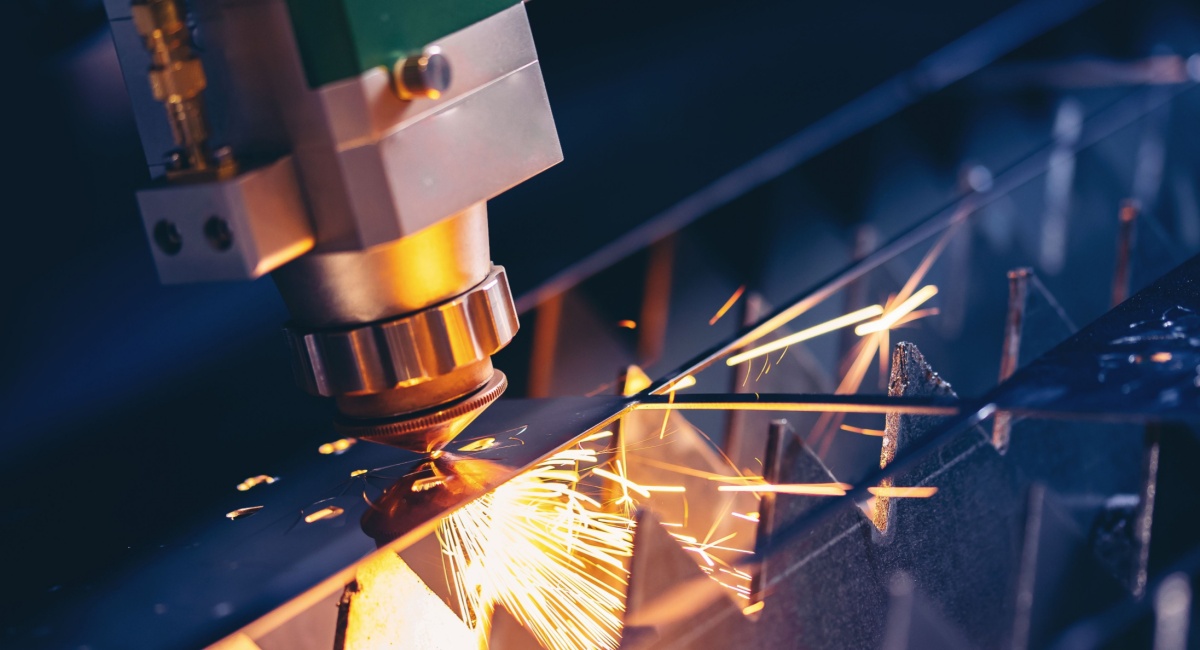
Production-focused precision stainless steel machining decisions usually revolve around material selection, manufacturing stability, and long-term performance. These frequently asked questions highlight important engineering considerations.
What conditions make stainless steel suitable for a machined component?
Stainless steel is used where corrosion risk, structural stress, sanitary conditions, or required service life directly impact component reliability.
Precision stainless steel machining is typically applied in environments with regulatory oversight, moisture exposure, internal pressure, or structural loading where other alloys may not sustain long-term performance.
What guides the selection of 300 series vs. 400 series vs. 17-4 PH stainless?
Grade selection is driven by the relationship between corrosion resistance, strength requirements, and machining characteristics.
- 300 series grades emphasize corrosion resistance and are common in sanitary, food, and chemical applications.
- 400 series support applications where hardness and wear control are priorities.
- 17-4 PH supports higher strength requirements through precipitation hardening processes.
Effective material selection in precision stainless steel machining depends on matching alloy performance to operating conditions and subsequent processing.
Does stainless steel demand more process control during machining?
Stainless steel generally requires more controlled cutting parameters than carbon steel or aluminum. Certain grades are prone to work hardening, and higher cutting forces can increase tool wear.
Disciplined parameter control and coordinated operations enable stainless steel to be machined effectively at varying production scales.
Are stainless components suitable for large production runs?
Yes. Many automotive, medical, energy, and industrial programs rely on stainless steel for high-volume manufacturing.
For precision stainless steel machining, stability at scale relies on validated tooling data, managed offsets, and structured inspection checkpoints that preserve geometry during long runs.
What drives cost in stainless steel machining projects?
Cost is influenced by material grade, part geometry, required tolerances, surface finish expectations, and production volume.
- Higher-hardness grades often increase tooling stress and wear.
- Intricate part features can necessitate multi-axis operations or added setup time.
- Limited release quantities can elevate per-part setup overhead.
What ensures consistency in Salt Lake City, UT, precision stainless steel machining when production restarts?
Managing multiple releases depends on maintaining documented setups, tooling controls, and inspection reference points.
When manufacturing resumes after a pause, returning to documented process controls protects dimensional consistency.
What documentation supports accurate quoting for Salt Lake City, UT, precision stainless steel machining?
Clear drawings, material specifications, and production expectations allow for the most accurate evaluation.
- Accurate component prints reflecting current tolerances
- Requested stainless material grade (when available)
- Projected release quantities and yearly demand
- Post-machining treatment and surface criteria
- Defined inspection checkpoints and certification needs
Early engagement helps align technical requirements with pricing structure before final evaluation.
Why Work with Roberson Machine Company for Salt Lake City, UT, Precision Stainless Steel Machining?
Precision stainless steel machining is not just an equipment problem — it requires material judgment, controlled parameters, and production discipline that holds up at scale. Roberson Machine Company supports stainless programs from early validation through repeat production, with workflows tuned to how these alloys behave under heat, pressure, and cutting force.
Unlike softer materials, stainless brings added complexity in heat, cutting force, and work hardening. Managing those factors across limited runs and extended production requires coordinated engineering and shop-floor discipline. Our team focuses on:
- Grade evaluation tied to documented service conditions
- Tooling and parameter control built around heat, force, and material response
- Integrated machining processes that hold dimensional relationships across features
- Structured production controls that protect geometry across repeat releases
- Documented material traceability for regulated or multi-year programs
Further CNC machining services include:
- Automated CNC Milling Machine
- Plastic Machining
- Laser Engraving
- Wire EDM Parts
- Lathe Machine
- CNC Lathe Machining
- Custom CNC Machining for Part Production
- CNC Machine Automation
- Oil and Gas Precision Machining
Roberson Machine Company provides precision stainless steel machining parts for corrosion-resistant and structural applications, engineered for consistent output and sustained performance. Learn more about our team, request a quote online, or call 573-646-3996 to plan your Salt Lake City, UT, precision stainless steel machining requirements.