

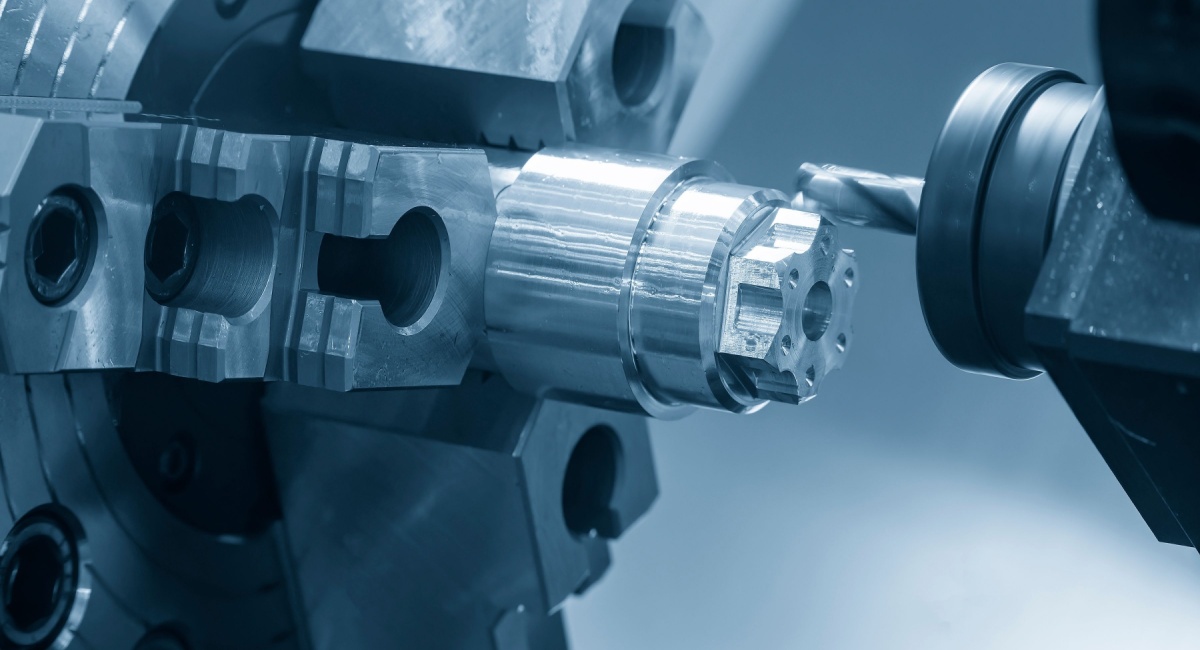
Bring stability to production with Contract Manufacturing in Denver, CO, structured for scheduling discipline, controlled execution, and real manufacturing requirements. Roberson Machine Company supports mid-volume production and ongoing releases with defined processes that minimize internal bottlenecks while preserving control. Contact us for a quote or call 573-646-3996 to explore how Denver, CO, contract manufacturing supports consistent output.
See more about:
- What contract manufacturing is—and when it actually makes sense
- How mid-volume production differs from prototyping and mass manufacturing
- How production work is managed across repeat releases
- The machining capabilities used in contract manufacturing programs
- Common use cases and component types produced under contract
- Industries that rely on contract manufacturing to maintain output
- How to start a contract manufacturing project with our team
Roberson Machine Company supports contract manufacturing by combining machining capability, process control, and production capacity for long-term production needs.
Table of Contents
- What Contract Manufacturing Is
- How Production Is Executed
- Core Machining Capabilities
- Common Use Cases for Denver, CO, Contract Manufacturing
- Industries Served
- Why Companies Use Contract Manufacturing
- Frequently Asked Questions
- Get Contract Manufacturing in Denver, CO
Visit our reviews, look through recent case studies, and explore the blog and FAQs for a closer look at contract manufacturing in real production environments. For over two decades, we’ve helped companies shift repeat production work out of internal shops and into stable, production-ready workflows.
What Is Contract Manufacturing?
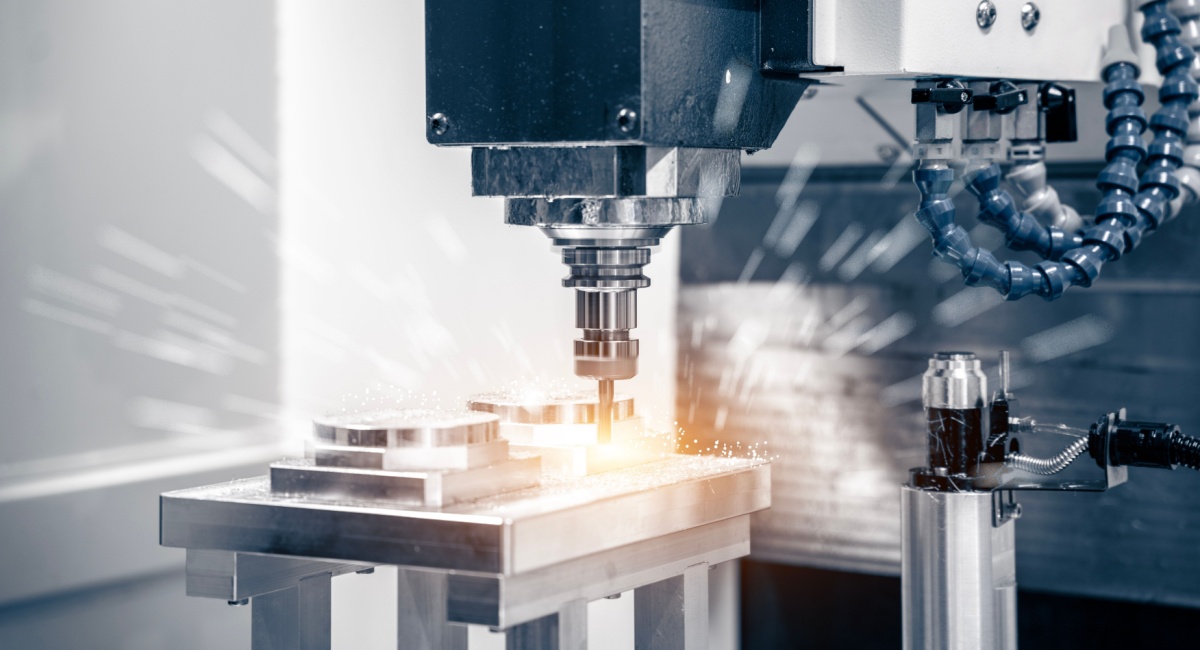
Contract manufacturing is a production partnership centered on repeatable processes for parts or assemblies.
Under a contract manufacturing arrangement:
- The customer defines requirements, specifications, and delivery expectations.
- The manufacturing partner runs production through stable, documented workflows.
- Output is managed with repeat releases in mind rather than one-time production.
This model supports controlled, mid-sized production work when internal teams need reliable output without expanding equipment, staff, or floor space.
Who Denver, CO, Contract Manufacturing Is For
Contract manufacturing becomes relevant when internal staffing levels, workflow capacity, or equipment constraints start limiting output. It’s driven by teams responsible for schedules, production releases, and continuity:
- Operations and plant management overseeing daily output, staffing balance, and schedule adherence.
- Engineering leadership overseeing production readiness and build repeatability.
- Throughput and backlog accountability within manufacturing leadership.
- Product and project management accountable for release schedules and delivery coordination.
- Supplier continuity and sourcing oversight within procurement teams.
The intent isn’t to give up ownership, but to stabilize output while keeping control over requirements and results.
When Contract Manufacturing Works
Contract manufacturing in Denver, CO, works best when it’s applied to a defined production need—not treated as a generic outsourcing shortcut. Successful programs start with clear intent around why the work belongs in a contract environment.
When contract manufacturing in Denver, CO, is built around a defined production need, it performs well—not when it’s treated as a generic outsourcing shortcut. Success depends on upfront clarity around who owns the requirements, how production repeats, and where accountability lives.
- Upfront requirements and practical timelines set before production starts.
- Production workflows structured to stay consistent across repeated runs.
- Communication practices that prevent scope drift and misaligned ownership.
- Defined accountability across initial and repeat releases.
If those conditions aren’t met, friction follows fast. Ambiguous documentation, scope changes, communication gaps, and unrealistic expectations weaken consistency, even in strong manufacturing environments.
With the right fit, Denver, CO, contract manufacturing enables mid-sized production work that depends on consistency, disciplined scheduling, and the ability to scale without rebuilding internal resources.
Contract manufacturing is not a process where visibility fades and updates have to be chased down. Nor is it a lowest-bidder competition where quality slips after the first run.
When structured correctly, contract manufacturing keeps ownership clear: you retain control of requirements while your manufacturing partner executes a defined, production-ready process—not a one-off build. Learn more about prototyping versus production or contact us to discuss fit.
How Contract Manufacturing in Denver, CO, Is Executed
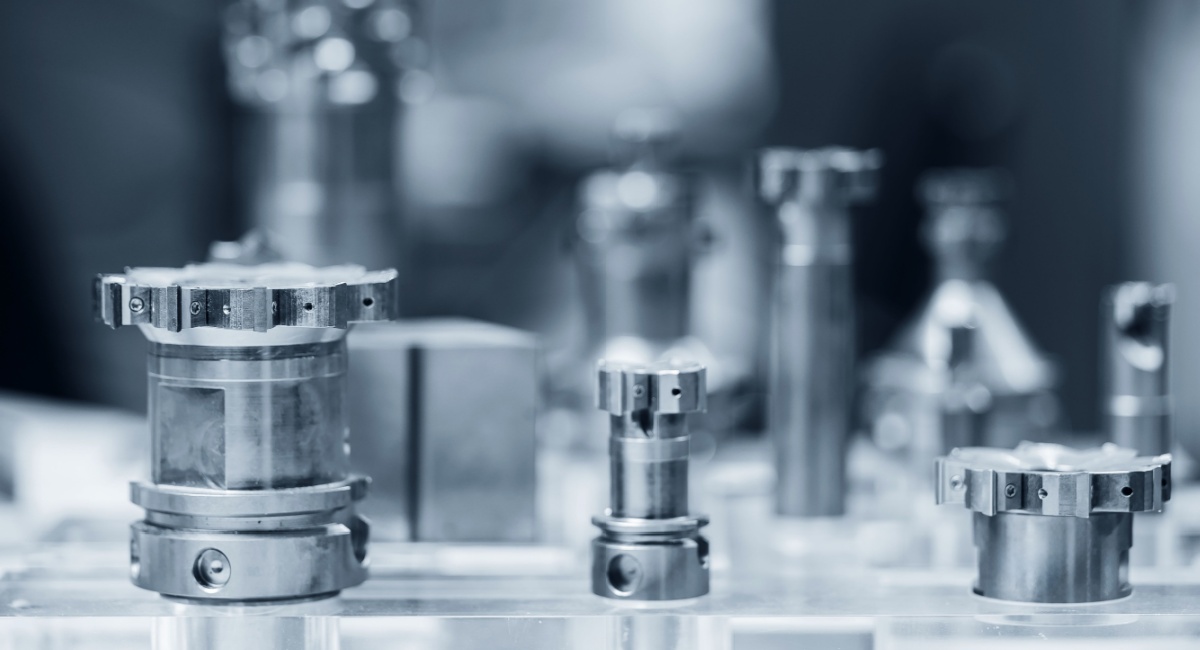
In a contract manufacturing environment, execution focuses on maintaining control after a part enters production. The work has to repeat cleanly across orders, revisions, and schedule changes—not just work one time.
Managing Contract Manufacturing Projects
After a project transitions into contract manufacturing, attention shifts toward consistent repeatability. Setups, machining methods, inspection standards, and release details are locked in with the understanding that the part will run again—often across multiple releases—without rework.
Production decisions are made with future releases in mind. Machining methods prioritize stability over convenience. Documentation reflects how the part is actually built, and inspection requirements are defined early and held consistent.
Reducing resets between orders is a key benefit of this approach. Parts avoid constant re-quoting, re-explaining, and requalification when demand fluctuates. Production remains predictable despite changes in volume or timing.
- Setups and machining methods established once and reused.
- Revisions handled without resetting the production workflow.
- Inspection expectations defined ahead of production.
If contract manufacturing in Denver, CO, is part of an active production plan, contact our team to talk through scope, timelines, and fit.
Core CNC Machining Capabilities Used in Denver, CO, Contract Manufacturing
Contract manufacturing is driven by machining capabilities designed for repeatability, schedule discipline, and consistent output across releases. At Roberson Machine Company, CNC machining operates as part of a controlled production process—not standalone job work.
Our contract manufacturing work most often leverages the following CNC capabilities.
- Precision CNC Machining for repeatable part quality and controlled tolerances from run to run.
- CNC Turning for rotational components such as shafts, housings, and bushings common in contract work.
- Multi-Axis CNC Machining to maintain multiple feature relationships within one stable setup.
- 5-Axis CNC Machining when complex geometry benefits from fewer setups and improved repeatability.
- Wire EDM to handle precision features and hardened materials using non-contact cutting within a broader workflow.
These capabilities allow contract manufacturing programs to support mid-sized production runs and repeat releases without rebuilding tooling strategies or production flow as requirements evolve.
Use Cases for Contract Manufacturing in Denver, CO
Contract manufacturing works best for production work that needs to repeat cleanly, ship on schedule, and hold dimensional consistency across releases—without locking teams into permanent internal capacity. The examples below highlight the component types and scenarios most often handled under contract.
-
Shafts and pins used for conveyors, actuators, and motion systems—standard components across automation and robotics and packaging equipment.
-
Bushings and sleeves designed for wear surfaces, alignment, and load control in automotive and industrial equipment applications.
-
Rollers and cylindrical tooling built to cycle continuously with predictable replacement intervals, similar to our ink roller production work.
-
Valve bodies and fluid-handling components manufactured for pressure, sealing, and repeatable performance in energy and regulated medical settings.
-
Housings, caps, and mounts used to protect sensors, motors, and instrumentation across automation, medical, and electronic systems.
-
Turn–mill hybrid parts designed with rotational geometry and milled features, common in specialty assemblies such as end-of-arm tooling.
These are the components that keep production moving in the background. They wear, cycle, seal, align, and transfer motion—and they must arrive on schedule, built consistently every release. Contract manufacturing supports this work by delivering repeatable components where drift, delay, or variation has real consequences.
Industries That Rely on Denver, CO, Contract Manufacturing
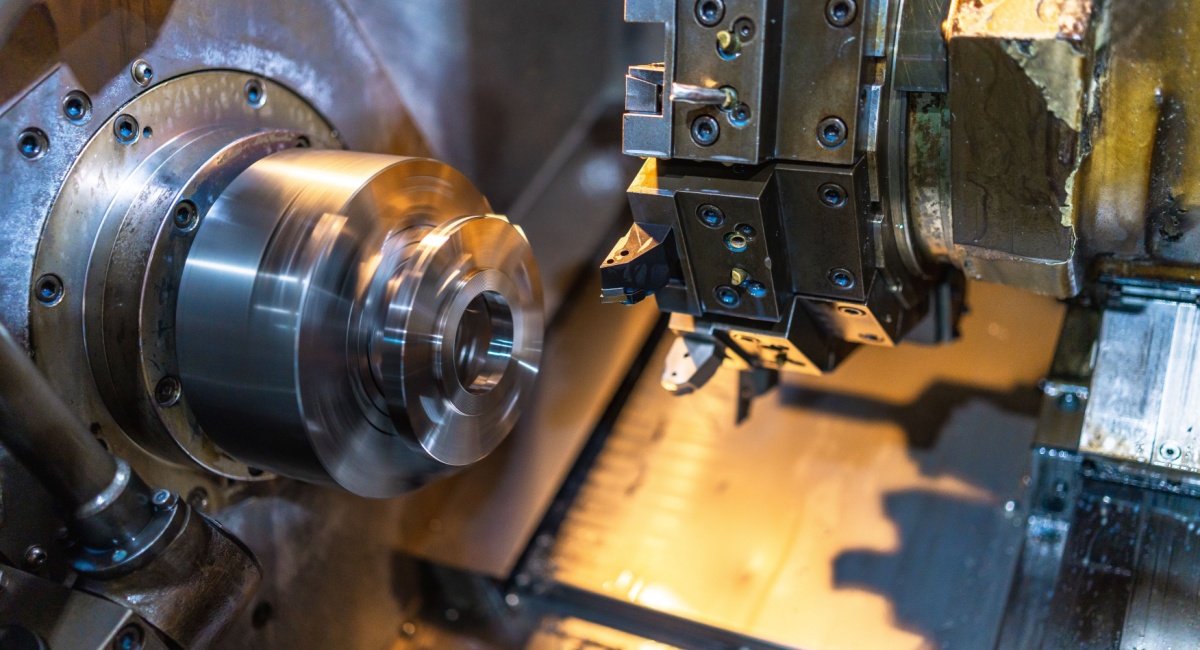
Contract manufacturing shows up most often when internal teams run into hard limits around capacity, staffing, equipment, or operational risk. These industries rely on it since production can’t stop when demand shifts, schedules tighten, or resources are fully committed.
Medical Manufacturing
Medical manufacturing depends on precision, consistency, and predictable releases. Even with strong internal engineering teams, many organizations rely on contract manufacturing to stabilize production as volumes rise or schedules compress.
Through repeatable mid-sized runs and workflows that include inspection and documentation, contract manufacturing enables medical teams to scale output without overloading internal capacity. Learn more about our work in medical manufacturing.
Industrial Automation & Robotics
Automation and robotics environments change rapidly. Designs update, volumes fluctuate, and parts often require both turned and milled features in the same assembly.
Contract manufacturing absorbs that variability by supporting revision-driven releases, mixed part families, and repeat runs without resetting the process each time a design changes. See how we support industrial automation and robotics.
Aerospace & Defense
Aerospace and defense manufacturing prioritizes process control as much as geometry. Parts often repeat over time rather than at massive volume, making consistency, documentation, and inspection critical.
Contract manufacturing supports these programs through stable workflows and repeatable setups that hold across releases. Explore our experience in aerospace machining and defense manufacturing.
Energy, Oil & Industrial Equipment
Energy and industrial equipment manufacturing involves tough materials, heavy components, and irregular ordering patterns. Internal teams often prioritize primary assemblies, leaving supporting parts to contract manufacturing partners.
Contract manufacturing enables production of shafts, housings, valve components, and other parts that must perform reliably in real-world conditions. Learn more about our work in energy and oil manufacturing.
Packaging & Production Equipment
Uptime is critical for packaging and production equipment. Components need to repeat accurately, replace cleanly, and fit existing equipment without introducing variation.
Through contract manufacturing, teams can support repeatable components and replacement parts without being locked into permanent internal capacity. See how we support packaging and production equipment.
Why Companies Use Contract Manufacturing for Denver, CO, Projects
Companies use contract manufacturing when production work begins to compete with core priorities rather than support them. The payoff appears in scheduling stability, cost control under capital pressure, and measurable ROI, along with fewer resets, less firefighting, and more predictable release cycles.
- Capacity without expansion: Handle production demand without adding machines, floor space, or long-term staffing.
- More predictable output: Defined processes and repeatable workflows minimize variation across releases.
- Lower operational friction: Shift production work out of internal teams so engineering and operations stay focused on core priorities.
- Consistency across repeat runs: Documented processes and inspection routines preserve part quality beyond the initial order.
- Scalable volume: Scale production volume up or down without committing to fixed overhead.
- Simplified coordination: Combine machining, secondary operations, inspection, and release management within a single workflow.
When structured the right way, contract manufacturing functions as an extension of internal production that supports output with less operational friction.
Contract Manufacturing FAQs
These are the questions teams ask when evaluating whether contract manufacturing fits their production needs, how to scope the work, and what success looks like after the first release.
What’s the difference between contract manufacturing and job shop work?
What volume counts as “mid-volume” for contract manufacturing?
What do you need from us to quote a contract manufacturing project?
Do we have to commit to a long-term contract?
How do revisions get handled once a part is in production?
What should we expect for lead times on repeat releases?
How do we keep visibility once production moves out of our shop?
How do we start a contract manufacturing project with Roberson Machine Company?
Denver, CO, Contract Manufacturing With Roberson Machine Company
Roberson Machine Company supports contract manufacturing programs focused on scheduling discipline and controlled execution across ongoing production releases. Our role is to stabilize output, manage repeat work, and operate defined processes that hold up beyond the first run.
Contract manufacturing programs typically include:
- Machining processes defined to support repeat releases and revision control.
- Capacity planning aligned to forecasted demand and production schedules.
- Inspection requirements and supporting documentation embedded in production workflows.
- Machining capabilities selected for stability rather than one-off convenience.
The emphasis is on consistent execution over time, without altering ownership, priorities, or production decision processes.
Our service capabilities include:
- Automated CNC Milling Machine
- Plastic Machining
- Laser Engraving
- Wire EDM Parts
- Lathe Machine
- Precision Stainless Steel Machining
- CNC Lathe Machining
- Custom CNC Machining for Part Production
- CNC Machine Automation
- Oil and Gas Precision Machining
Review our machining capabilities, see the industries we support, or contact us online to discuss fit, timelines, and next steps. Call 573-646-3996 to speak directly with our team for more information about Denver, CO, Contract Manufacturing.