

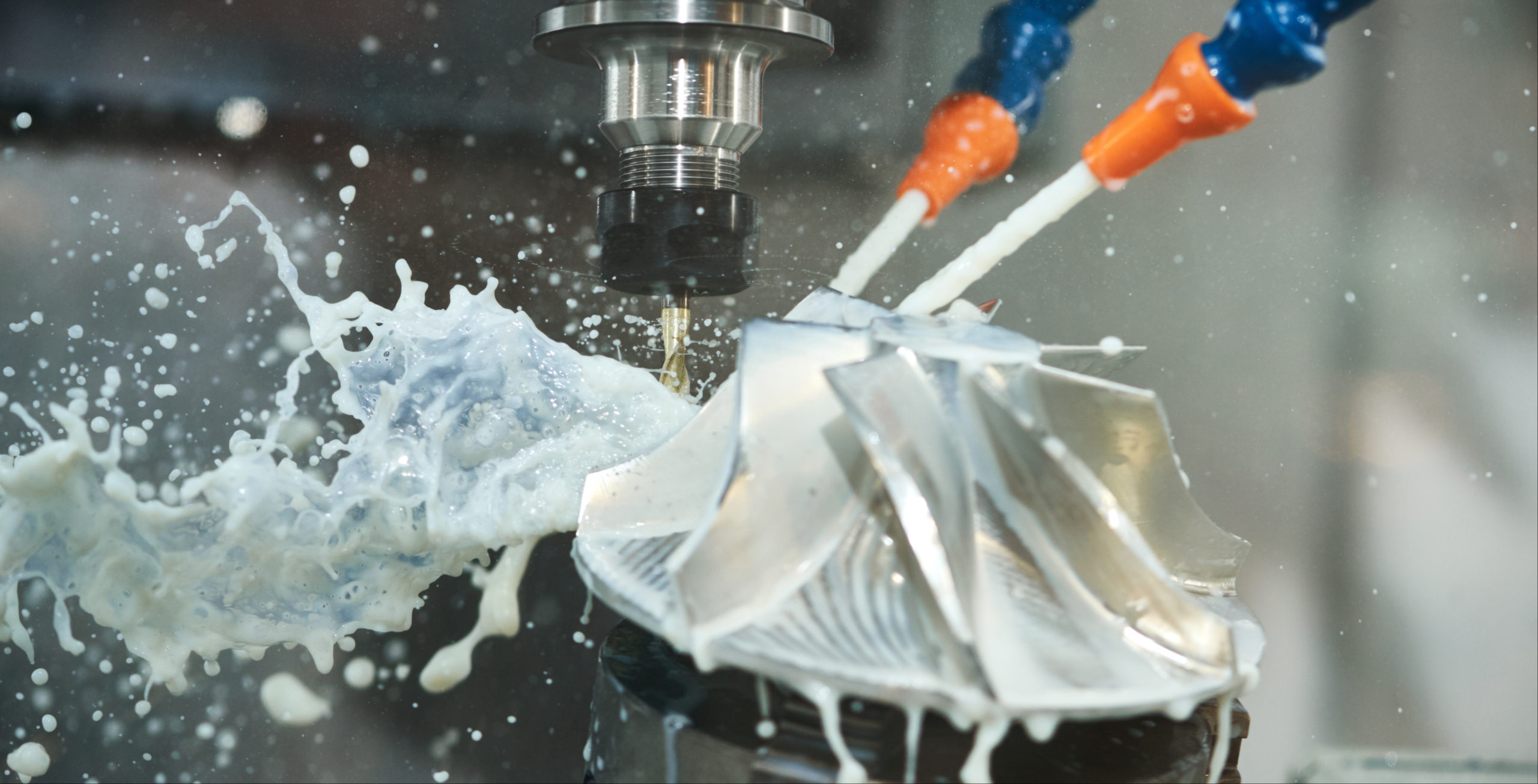
Contract Manufacturing Kansas City, MO
Contract manufacturing Kansas City, MO. Customers from Kansas City, MO and all over the nation turn to Roberson Machine Company when they need machined products completed to exact specifications, within budget, and on time.
Costs for your in-house machining in Kansas City, MO include high-priced equipment, workers to man the production line, and space to store new operations. Contract machining that uses Roberson Machine Company’s state-of-the-art facility can be done matching the same level of quality and within a more reasonable budget. This allows you to focus on your other manufacturing processes, allowing your Kansas City, MO business to grow.
So whether you need a small part or large part in Kansas City, MO, a basic mechanical assembly or complex specialized machine, a limited amount of parts, or the full production power of a contract manufacturing firm on your side – Roberson Machine Company is your leading choice for a contract machining company partner.
To discuss your Kansas City, MO CNC machining project in more detail or to learn more about partnering with Roberson Machine Company for contract manufacturing, call 573-646-3996 or contact us online.
Kansas City, MO Contract Manufacturing Services Available at Roberson Machine Company
As a leading contract manufacturer, our facility includes cutting-edge manufacturing equipment to suit varying part designs, such as medical devices, electronics, aerospace, packaging, and more for your Kansas City, MO company.
We own a centrally located and fully operational facility that provides a full suite of contract manufacturing services to businesses in Kansas City, MO. These include:
- 3D Printing
- 5-Axis CNC Machining
- Multi-Axis CNC Machining
- Prototype CNC Machining
- Value added services, including tumbling, deburring, engraving, welding, and prototyping
- Complex aluminum and stainless steel machining
From prospective planning and prototyping all the way to the final production run, we have the equipment, personnel, and the know-how to manufacture essentially any product. With Roberson Machine Company as your single-source manufacturing partner, you can continue to focus on your core competencies in Kansas City, MO while we take care of the rest.
What Are the Advantages of Your Kansas City, MO Company Contract Manufacturing With Roberson Machine Company?
Whether it’s seasonal demands, high start-up expenses, storage issues, or continuous improvement of product quality, your Kansas City, MO company faces several different and unique challenges every day. Contract manufacturing is a solution for many of these issues, as well as add value to any manufacturing procedure. Find out more regarding the many advantages of contract manufacturing with Roberson Machine Company below:
- Savings – Contract manufacturing not only saves you time, but also space and money. While we take care of the manufacturing and inventory management, you can slash labor costs for your company in Kansas City, MO, cut down on wasted products caused by human error, and open up storage space for other capabilities.
- Fewer errors – Traditional machining operations might utilize adjustments and manual calculation, which both run the risk of production errors. CNC machining utilizes computer programming to conduct manufacturing processes so that parts are made to your precise specifications. This is especially useful when producing numerous components for Kansas City, MO companies that must be identical to one another as quickly as possible.
- Quality management – CNC machining must adhere to the tightest tolerances in order to meet market demands in Kansas City, MO. When combined with your Kansas City, MO company’s in-house quality management system, having a contract manufacturer such as Roberson Machine Company can add one more layer of protection to your overall production procedure. We also offer documented testing and inspections to guarantee that machined parts will meet your needs and exceed your expectations. We have internal standards that adhere to ISO 9001 and AS9100 certifications.
- Better product diversity – CNC machining of all types can give you the ability to create whatever you want. Computerized programming and automation have revolutionized the manufacturing process, which means parts can be made in a wider selection of materials, shapes, and sizes than ever before.
- Working with a staff of skilled specialists – Our experienced staff of staff of machinists, programmers, welders, production personnel, and technicians don’t have to start from scratch when operating CNC turning and CNC milling machines. With decades of experience as contract manufacturers, we are knowledgeable machinists who are accustomed to making any part with tight tolerances and precise specs.
- Cutting-edge technology – The cost of just one CNC machine is high. At Roberson Machine Company, we invest heavily in the most advanced technologies so that our Kansas City, MO partners always have access to the latest in CNC machining. Keeping up-to-date allows our team to rise to the occasion whenever and wherever our Kansas City, MO clients need us. We hold to tighter tolerances and stricter specifications than ever before.
- Flexibility to scale – Choosing a manufacturing partner such as Roberson Machine Company allows your company in Kansas City, MO to scale your operations down or up to meet consumer needs as they occur. For example, if there is increased marketplace demand, this would require your Kansas City, MO company to buy different machines, free up space for those machines, and instruct employees how to use them. But, when there is a downturn in demand, you are left with overhead costs. Our facility is flexible enough to meet your demands. Additionally, we continuously work with your Kansas City, MO company to adjust volume and budget needs. Give us a call right away at 573-646-3996 or contact us online.
- Simplified supply chain – As your partner, we want to make the process as seamless, simple, and easy as possible. Rather than attempting to manufacture individual parts independently in Kansas City, MO, our facility can be your one-stop shop for intricate and complex prototyping, manufacturing, inspection, and everything in between.
Along with being the go-to partner for contract manufacturing for your Kansas City, MO company, Roberson Machine Company provides the following:
- Oil and Gas Precision Machining
- Aerospace Manufacturing
- Automotive Part Manufacturing
- EDM Machining
- High Volume CNC Machining
- Industrial Automation
- Solar Panel Manufacturers
- Microscope Parts Precision Machining
- Military Manufacturing
- Medical Brace Manufacturing
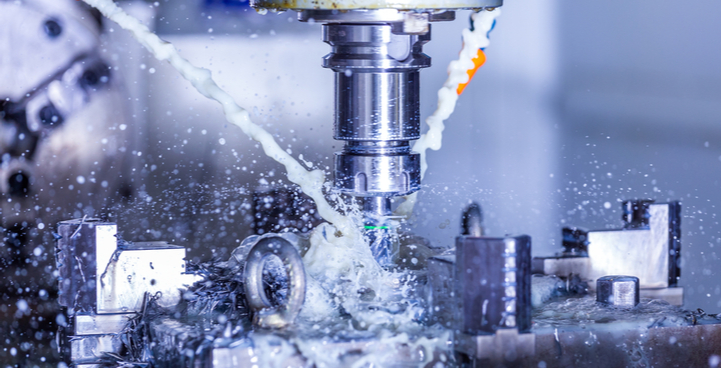
Kansas City, MO Medical Device Contract Manufacturing at Roberson Machine Company
At Roberson Machine Company, we proudly serve the medical industry with custom machined parts. As a leading contract manufacturing company for businesses in the Kansas City, MO area, continuous betterment is not only strived for but expected – especially in healthcare applications in which precision is a matter of life or death.
In the medical field, our Kansas City, MO customers call for our products to be durable, reliable, smooth, precise, and highly hygienic. Medical device contract manufacturing is ideal in instances like this to meet high-volume orders on a rapid and continuous basis throughout the Kansas City, MO area. At Roberson Machine Company, we have the tools and capabilities to deliver on these exact specs. Allow our machinists and technicians to give you the tools you need to care for your Kansas City, MO patients. Give us a call today at 573-646-3996 or reach out to us online.
A Leading Contract Manufacturer For Companies in the Kansas City, MO Area, Throughout the U.S. | Roberson Machine Company
We want to be your trusted partner in all of your machining needs in Kansas City, MO. We are proud to be an elite contract manufacturer for companies in Kansas City, MO for over 20 years. With a deep commitment to responsive service and customer care, we have the capabilities to finish just about any machining project according to your timeline, budget, and with only the best results.
Our fooly-tooled, modern CNC machining facility is available to our customers in Kansas City, MO in industries from automotive and medical to oil and energy and commercial. To talk about your CNC machining project with us or to find out more about contract manufacturing, give us a call now at 573-646-3996 or contact us online.