

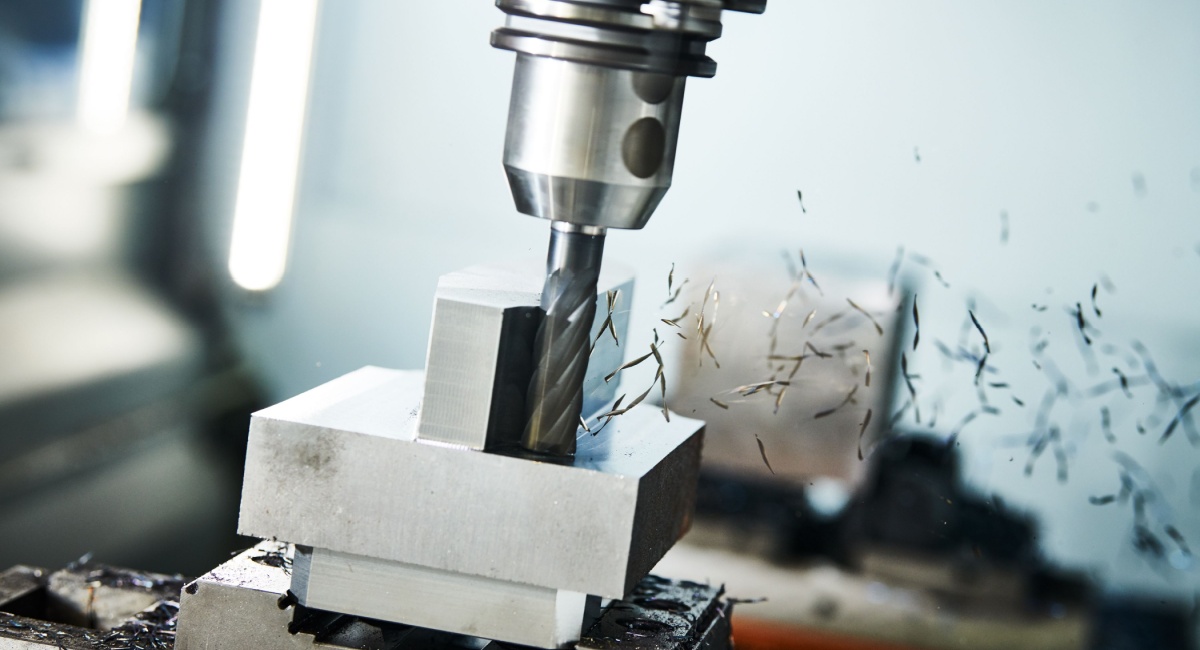
CNC Milling in Cape Coral, FL, is a core machining process used to produce complex components with flat surfaces, pockets, slots, threaded features, and controlled feature relationships. Our team at Roberson Machine Company produces production-ready parts with consistent geometry, stable workflows, and repeatable results across initial runs and long-term manufacturing releases.
Learn more about:
- When CNC milling makes sense for production parts
- Parts commonly produced with milling
- Industries that rely on CNC milling
- How to get started on a CNC project with our team
From structural components and precision housings to parts that combine milling with turning, EDM, or multi-axis machining, milling supports a wide range of industrial applications where consistent geometry and dependable machining processes matter. To talk through your Cape Coral, FL, CNC milling project, contact us online or call 573-646-3996.
Table of Contents
- What CNC Milling Handles Best in Production
- Why the Process Matters for Manufacturing
- Industries That Depend on Cape Coral, FL, CNC Machining
- Common Components Produced at Scale
- Related Machining Capabilities
- CNC Milling FAQs
- Working With Roberson Machine Company
Explore our case studies, blog, FAQs, and customer reviews to learn more about CNC machining processes, materials, and production workflows. These resources demonstrate how CNC milling in Cape Coral, FL, and other machining processes come together across real production environments.
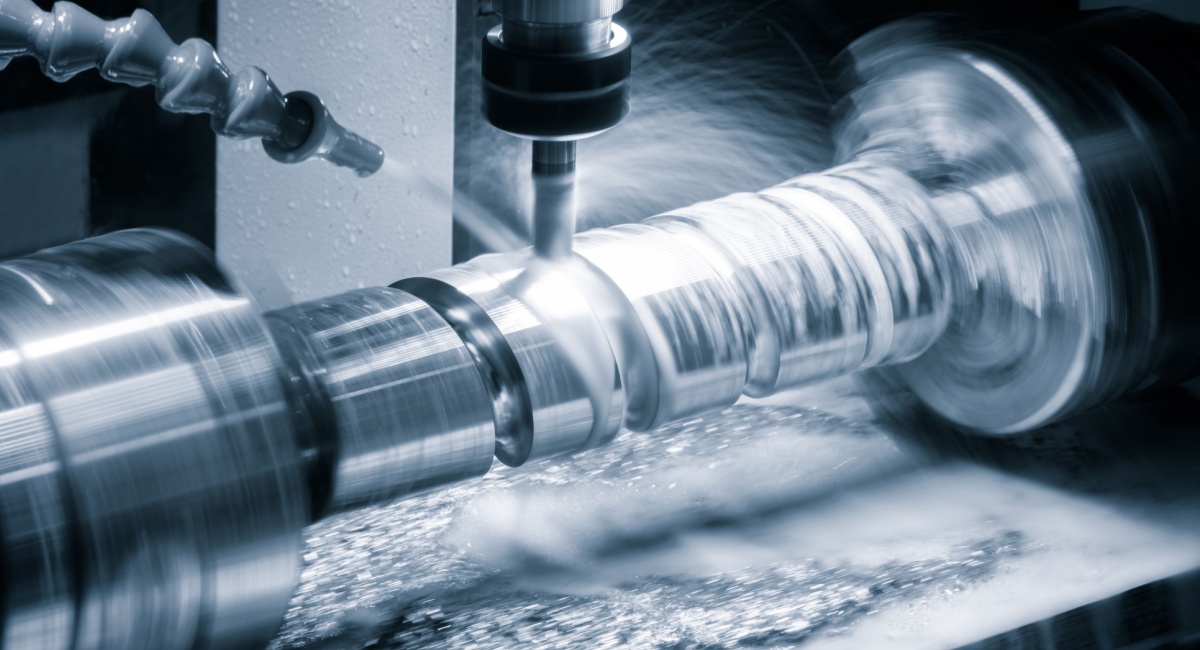
What CNC Milling in Cape Coral, FL, Does Best for Production
CNC milling supports production machining by creating the structural geometry that other operations rely on.
- Flat surfaces and mounting interfaces used to determine alignment during assembly
- Pockets, slots, and machined features that accommodate hardware, tooling, or moving components
- Precise relationships between features that impact fit, alignment, and mechanical performance
These features control how parts fit, align, and function within larger assemblies.
Within stable production processes, CNC milling supports repeatable results across short runs, long production cycles, and future releases. Our milling operations tie into broader CNC machining workflows designed to maintain dimensional consistency while supporting scalable manufacturing.
Establishing Precise Surfaces and Feature Relationships
Cape Coral, FL, CNC milling produces surfaces and geometric features that determine how parts align, mount, and function within larger assemblies. By removing material along controlled tool paths, milling builds the structural geometry that other machining operations and assembly processes depend on. These machining operations usually begin with digital models created in CAD and translated into tool paths through CAM software.
In production machining, these features typically include:
- Flat mounting surfaces that guide alignment during installation or assembly
- Pockets and internal features that support hardware, tooling components, or moving parts
- Slots, holes, and machined interfaces that define alignment between connected parts
- Precise spatial relationships between features that determine fit and mechanical performance
GD&T and Feature Alignment Control.
These relationships are typically managed through Geometric Dimensioning and Tolerancing (GD&T), where surface alignment and orientation influence assembly and downstream performance.
Surface Finish and Critical Interfaces.
Machined surfaces are often used as sealing faces, mounting interfaces, or alignment points within assemblies, making surface finish control in CNC machining a key factor in part performance and assembly reliability.
Multi-Axis CNC Milling for Complex Components
Many production parts include features that cannot be machined from a single direction. Multi-axis machining allows movement across multiple axes, enabling complex components to be produced while maintaining precise relationships between features. Modern multi-axis CNC machining expands on traditional 3-axis milling by adding rotary motion, allowing tools to reach surfaces that would otherwise require multiple setups.
In production environments, multi-axis CNC milling is often used to create:
- Angled holes and compound surfaces that cannot be reached from a single tool orientation
- Features located on multiple sides of a component without repeatedly repositioning the part
- Complex pockets and contours that involve coordinated tool movement
- Precision features that must remain aligned across multiple machined surfaces
By completing more machining within a single setup, the geometric relationships established earlier in the process are preserved while repositioning errors are reduced. This approach improves efficiency while maintaining alignment between critical features.
Maintaining Repeatability Across Production Runs
In production machining, repeatability is as critical as accuracy. CNC milling processes must consistently reproduce the same geometry across hundreds or thousands of parts without variation between runs.
Maintaining that level of consistency typically depends on:
- Stable machine setups that secure the workpiece in the same position throughout production
- Consistent tool paths and machining parameters that regulate material removal during machining
- Controlled feature relationships that keep features aligned across every part in the run
- Machine configurations suited to the complexity of the part, including varying milling axis capabilities
Machining configurations play a role in how efficiently parts are produced and how consistently setups hold. Manufacturers often look at 3-axis, 4-axis, and 5-axis milling methods to determine the most stable and repeatable way to machine complex parts.
Within broader precision machining workflows, these process controls support consistent parts from the first article through full production runs and future manufacturing releases.
Why CNC Milling Matters in Production Manufacturing
CNC milling in Cape Coral, FL, plays a key role when parts must be produced repeatedly at scale. Once machining tooling and setups are in place, the same process can run across hundreds or thousands of parts while maintaining consistent geometry—especially in environments using CNC machine automation to keep production moving efficiently.
At Roberson Machine Company, this approach supports:
- Bulk part production where the same parts are machined reliably across large runs
- Repeat production runs where parts return to production in scheduled releases over time
- Stable production workflows that maintain alignment between machining, inspection, and assembly
- Automated machining environments that help maintain throughput and limit manual intervention
These advantages translate directly into stable production workflows and consistent part performance across every run.
Supporting Bulk Part Production
Our production workflows focus on producing the same component repeatedly while maintaining consistent geometry across every part. Once a CNC milling process is established, the same machining strategy can be executed across large production runs while maintaining consistent geometry. This level of repeatability is one reason CNC machining is widely used in production manufacturing, where computer-controlled operations can be repeated thousands of times with consistent precision.
For production environments in Cape Coral, FL, CNC milling helps meet bulk production requirements by supporting:
- Repeatable machining processes where tool paths and setups remain consistent across large production runs
- Reliable production workflows that connect milling with inspection, assembly, and downstream operations
- High-volume output where the same parts are produced reliably over long production cycles
- Scalable machining strategies that integrate milling with other CNC methods used in part production
These workflows become essential when our team needs to meet bulk part production requirements with CNC machining, where consistent setups and machining parameters support long-term production stability.
Repeat Production Runs
Many CNC milling jobs in Cape Coral, FL, do not run once and disappear. Parts often return to the schedule repeatedly as equipment is built, serviced, upgraded, or expanded. That often means machining the same component again months—or even years—after the initial run while maintaining the same geometry, fit, and functional performance. This level of long-term production reliability depends on repeatable manufacturing processes that reproduce the same results across multiple production cycles.
Parts that come back into the schedule.
Components are often produced again as equipment is built, expanded, repaired, or replaced. A component first produced during a new build may return months or years later when the same equipment requires additional units or replacement parts.
Alignment with automated production environments.
Repeat production runs often align with automated production lines, where machined components must integrate reliably into existing equipment and workflows. When parts return to the schedule, machining must reproduce the same features so components install properly and equipment continues running as expected.
Roberson Machine Company supports CNC milling in Cape Coral, FL, that keeps repeat production runs consistent when parts return months or years later.
Maintaining Production Stability
Production environments depend on stability alongside raw output. Once a CNC milling process is established, our team relies on that process to run consistently across shifts, schedules, and production cycles without disrupting downstream operations.
Cape Coral, FL, CNC milling supports production stability through three critical factors:
- Consistent machining processes: Maintaining stable milling operations requires repeatable setups, predictable tool paths, and consistent inspection routines. With these elements under control, production teams can plan work confidently and keep parts moving through assembly and manufacturing workflows.
- Integration with automated equipment: In many facilities, parts move directly from machining into automated systems or robotic equipment. Milling processes operate within broader manufacturing environments built to address common challenges in industrial automation, where consistent part geometry helps maintain system performance.
- Machine configuration for long production cycles: Machine selection can affect how efficiently machining operations perform across extended runs. Differences between vertical and horizontal milling machines affect part access, chip evacuation, and the ability to maintain stable production conditions.
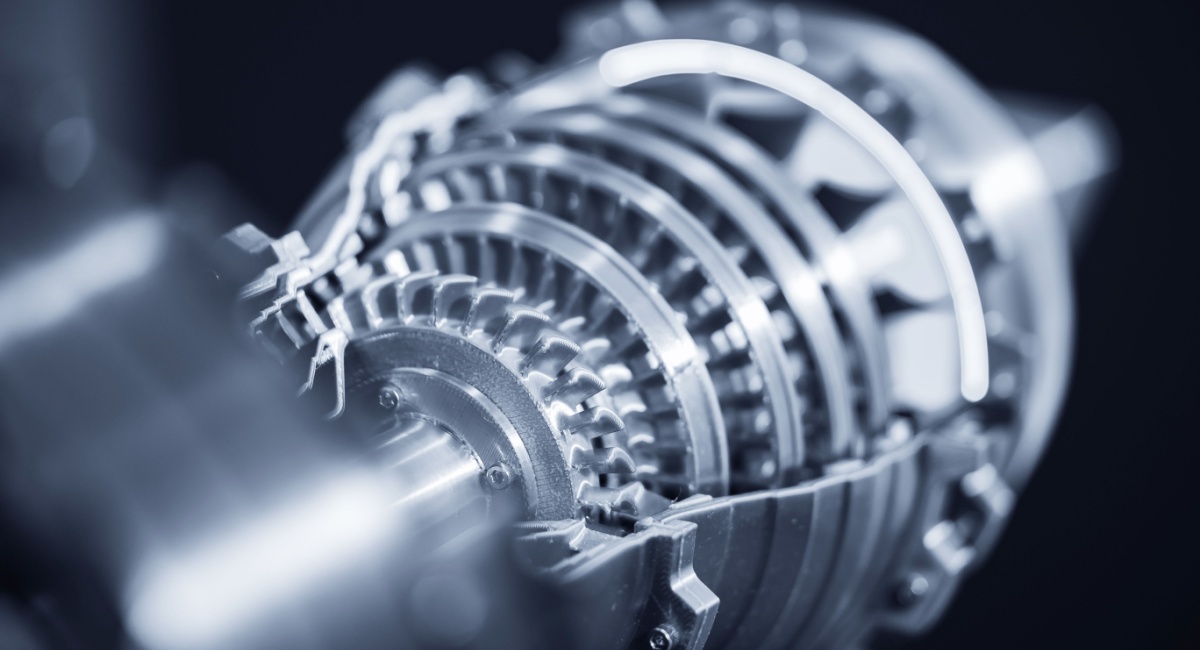
Industries That Use CNC Milling in Cape Coral, FL
CNC milling supports a wide range of industries where components must maintain consistent geometry, reliable fit, and repeatable performance in production environments.
Medical Manufacturing
Examples include precision valve bodies, microscope assemblies, and medical instrument parts, where consistent geometry and surface quality matter.
Automotive & Transportation
Parts like housings, brackets, plates, and structural components rely on CNC milling in high-volume environments where consistency across long runs matters.
Industrial Automation & Robotics
Assemblies like end-of-arm robotic tooling, along with housings and structural components, depend on precise machining to maintain alignment and repeatable motion.
Aerospace & Defense
Parts must maintain dimensional stability under vibration, load, and demanding operating conditions throughout long service cycles.
Energy, Oil & Gas
Parts such as housings, manifolds, and structural components must perform reliably in high-pressure, high-heat environments over long cycles.
Common CNC-Milled Components Produced at Scale
Many production machining environments depend on components that repeat across equipment builds, assemblies, and replacement cycles. These parts tend to share consistent feature geometry, clear machining requirements, and predictable roles within larger systems.
Across industries, components like the everyday machinery components produced at scale often follow the same pattern: once a machining process is established, the same part returns to production as equipment is built, expanded, or serviced.
Common CNC-milled components produced at scale include:
- Rollers and pulleys supporting material handling systems and mechanical drive assemblies
- Manifolds and valve bodies used to regulate fluid flow and pressure within industrial and medical equipment
- Crankshaft spacers and alignment components used in rotating machinery
- Lids and protective covers that seal or protect industrial housings and enclosures
- Robotic tooling adapters used to connect automation equipment and end-of-arm tooling
- Aluminum housings and enclosures supporting electronics, instrumentation, and industrial equipment
- Brackets and mounting plates used to hold mechanical assemblies and structural components in place
- Heat sinks and thermal plates used to manage heat in electronics and power systems
- Alignment hardware such as pins, spacers, and shaft supports commonly used in mechanical assemblies
These components typically form the structural backbone of larger assemblies. Because they depend on consistent geometry and repeatable machining processes, they are often produced through milling workflows designed for long production runs and repeat part releases.
Cape Coral, FL, CNC Milling & Precision Machining Capabilities
Many milled components require additional machining steps to complete functional features, maintain alignment, or reduce downstream handling. At Roberson Machine Company, our milling operations are integrated into machining workflows that support repeatable production and consistent part quality.
Depending on the part, projects may include additional machining capabilities such as:
- CNC Turning — Creating shafts, bores, and rotational elements that support milled components.
- Precision CNC Machining — Refining dimensions and completing secondary features following primary milling operations.
- Multi-Axis CNC Machining — Reaching complex surfaces and angled features while maintaining feature alignment.
- 5-Axis CNC Machining — Machining complex parts from several orientations within a single setup.
- Wire EDM — Creating precise internal profiles or machining hardened materials that are difficult to mill conventionally.
- Prototyping & First-Article Production — Confirming part design and function before scaling into repeat production.
When multiple machining operations are combined within the same workflow, parts can be completed more efficiently while preserving the geometric relationships established during milling.
Frequently Asked Questions | Cape Coral, FL, CNC Milling Services
Evaluating CNC milling usually comes down to part function, production needs, and long-term consistency. These FAQs explain how milling supports real production environments.
When is milling the right choice for a production part?
Milling is a strong fit when a part depends on flat surfaces, pockets, slots, mounting features, or precise feature relationships.
It is commonly used for production parts that need consistent geometry across runs, involve multi-face machining, or serve as structural components in assemblies.
What kinds of parts are commonly produced with CNC milling?
CNC milling commonly produces parts like:
- Housings and enclosures
- Brackets, plates, and mounting components
- Manifolds and valve bodies
- Robotic tooling adapters and automation components
- Lids, covers, and structural machine parts
These components often require consistent feature geometry, reliable mounting surfaces, and repeatable machining over multiple production runs.
What information is most important when quoting a CNC job?
Reliable quotes come from understanding the part and how it will be produced over time. Helpful information usually includes:
- Current drawings or models with tolerances and critical feature callouts
- Material type and any finishing requirements
- Expected quantities per run and annual demand
- Delivery schedule or release timing
- Inspection, documentation, or packaging requirements
Even if some details are still being finalized, early review can help identify the best machining approach before production begins.
What usually drives cost in CNC production?
Cost is typically driven by the time, setup effort, and process control required for a part. Primary factors include material choice, part size, feature complexity, number of setups, surface finish requirements, and inspection expectations.
Components with deep pockets, tight positional requirements, multiple machined faces, or long cycle times generally cost more than simpler geometries.
When should CNC milling be combined with turning or other machining processes?
Not all production parts can be completed using milling alone. Milling is frequently combined with turning, EDM, or other processes when parts include both flat and rotational features or require difficult-to-reach internal geometry.
The decision usually comes down to efficiency, feature access, and keeping critical geometry aligned throughout the full machining workflow.
How does Cape Coral, FL, CNC milling support repeat production runs over time?
CNC milling helps support repeat runs using documented setups, consistent tooling strategies, stable workholding, and inspection routines tied to the same requirements.
That matters when components are produced again months or years later for new builds, replacement needs, or extended manufacturing cycles.
Does Cape Coral, FL, CNC milling work for both short runs and high-volume production?
Yes. CNC milling supports short runs, repeat releases, and high-volume production. The difference is not the process itself, but how the workflow is built around tooling, setups, inspection, and scheduling.
When those elements are planned correctly, the same milling process can support both immediate production needs and long-term manufacturing demand.
What role does multi-axis machining play in CNC milling?
Multi-axis machining helps when parts require machining from several angles, include compound surfaces, or need multiple features to stay aligned within the same setup.
By limiting repositioning and increasing tool access, multi-axis milling helps improve efficiency and preserve alignment on complex parts.
Why Choose Roberson Machine Company for Cape Coral, FL, CNC Milling?
Roberson Machine Company supports production-ready milling with the equipment, process control, and machining experience required to keep parts consistent across repeat runs and extended production cycles.
As machining transitions from early builds into full production, stability and execution matter just as much as machining capability. Our milling operations focus on:
- Machining strategies that maintain precise feature relationships across multiple production runs
- Efficient setups that help reduce handling, cycle time, and alignment risk
- Production processes built to support repeatable geometry and long-term manufacturing stability
Additional CNC machining capabilities we provide include:
- Automated CNC Milling Machine
- Plastic Machining
- Laser Engraving
- Wire EDM Parts
- Lathe Machine
- Precision Stainless Steel Machining
- CNC Lathe Machining
- Custom CNC Machining for Part Production
- CNC Machine Automation
- Oil and Gas Precision Machining
Roberson Machine Company supports new builds, repeat production runs, and long-term manufacturing work that relies on consistent milling. Learn more about our team and capabilities, request a quote online, or call 573-646-3996 to discuss your Cape Coral, FL, CNC milling project.