

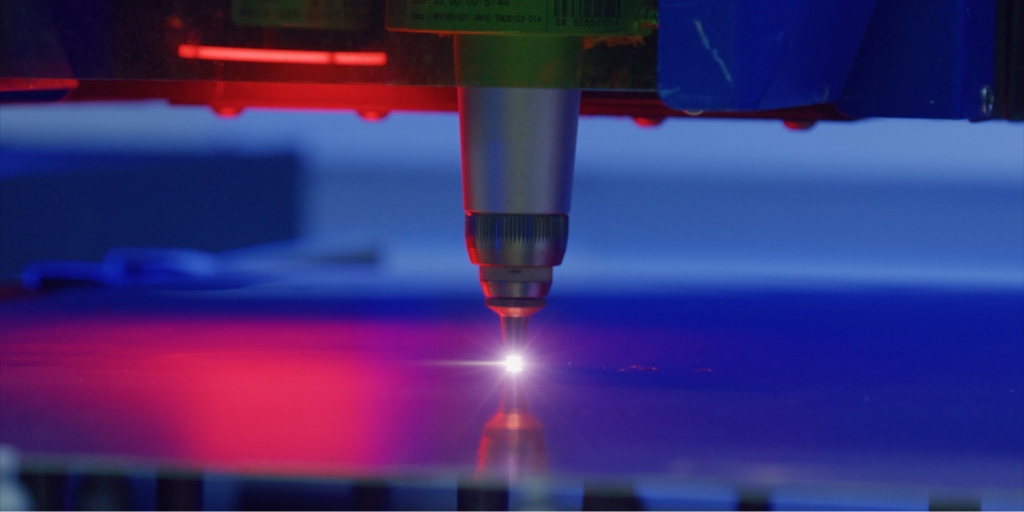
Laser engraving in Billings, MT, supports long-term component identification by permanently adding serial numbers, SKUs, logos, part numbers, and related marking information.
By integrating fiber laser engraving into CNC production, Roberson Machine Company provides customers with finished parts that already include the specified identification. Integrating marking with machining reduces external coordination, keeps identification requirements within the production records, and supports a more direct route to completed parts.
Learn More About
- Where engraving fits within CNC production
- Which details are commonly engraved on CNC parts
- Material options suited to laser-engraved parts
- Laser engraving with the Epilog G2 Galvo Fiber Laser
- Parts and industries that use fiber laser engraving
- Repeat production and ongoing orders with permanent marking
- Common questions about fiber laser engraving
When permanent identification needs to be included in the CNC production process, contact us online or call 573-646-3996 to talk with Roberson Machine Company about laser engraving in Billings, MT.
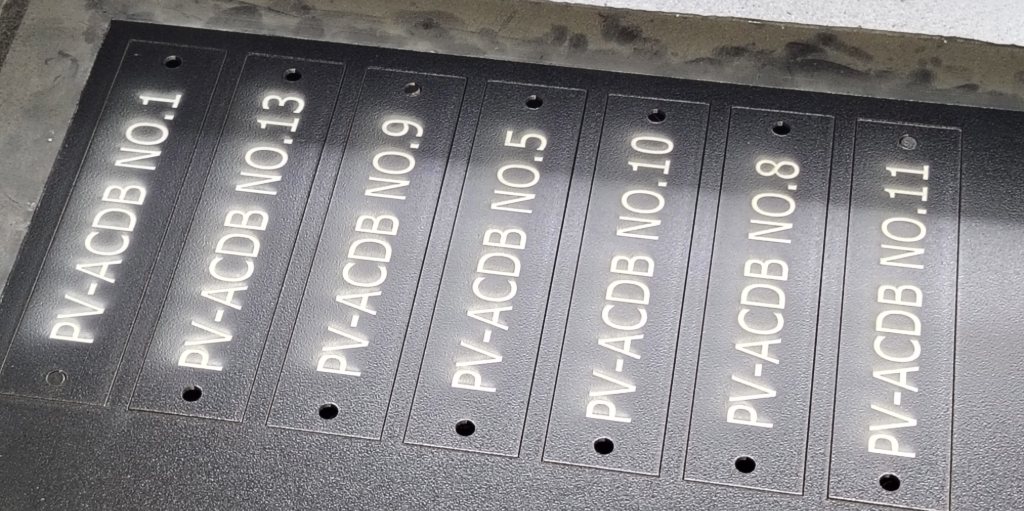
Where Does Laser Engraving Fit Into CNC Production?
Laser engraving is typically completed after machining and positioned appropriately among finishing operations, final inspection, and delivery. The marking requirements should be identified before production advances so the content, location, orientation, and appearance remain consistent throughout the workflow.
A common precision CNC machining workflow includes:
- Assessing the drawing, material specifications, and production requirements
- Determining the machining sequence and necessary workholding
- Completing the CNC machining work
- Completing any required finishing operations
- Laser engraving the specified mark
- Inspecting the finished components and approving them for release
Combining machining and fiber laser engraving in Billings, MT, allows Roberson Machine Company to carry the marking requirements through the same production workflow instead of separating them into a later outside step. Keeping the work together reduces handoffs, simplifies coordination, and supports accurate mark placement.
Why an Additional Engraving Supplier Adds Complexity
Sending machined parts to another supplier for engraving adds transportation, coordination, and another verification step before delivery.
Engraving Handled Separately
- Additional packaging and transportation
- Another production partner involved in the order
- Engraving requirements communicated outside the original workflow
- Another handoff to verify before final delivery
- Greater potential for timing problems or incorrect markings
Integrated Machining and Engraving
- Machining and engraving handled together
- Engraving specifications remain connected to the part
- A unified final inspection before release
- Finished and marked parts ready for delivery
By keeping machining and engraving in a single workflow, customers avoid unnecessary outside coordination and receive completed parts with the specified markings in place.
What Information Can Be Laser Engraved on CNC Parts?
Manufacturers use laser engraving to add durable identification, tracking details, brand marks, and operating information directly to CNC-machined components.
Marked machined parts and components stay connected to their records, assembly instructions, and intended place within a larger system.
Common laser-engraved markings include:
- Part numbers and SKUs used to distinguish components within larger systems or stocked inventories.
- Serial numbers for separating one component or unit from otherwise identical parts.
- Lot, batch, and date codes that tie finished components to specific production records.
- Barcodes and QR codes used to connect a machined component with its digital documentation.
- Logos and brand marks engraved into finished parts for lasting identification.
- Assembly and orientation marks for communicating alignment and installation requirements directly on the part.
- Measurement, warning, or operating information that stays attached to the component instead of relying on separate labels.
The best marking location depends on the component’s shape, finished surface, and usable engraving area.
What Materials Can Be Fiber Laser Engraved in Billings, MT?
Laser engraving works across many materials used in CNC production, but the final mark depends on the material, surface finish, part geometry, and required contrast. Each of those factors is reviewed during production planning to support a clean, functional engraving result.
Aluminum
Permanent laser engraving is a common choice for CNC-machined aluminum parts because it places identification directly on the component.
Bare, anodized, painted, and powder-coated aluminum may produce noticeably different marks. The engraving process must account for the existing surface treatment and the appearance expected after marking.
Stainless Steel
Permanent engraving supports stainless steel components that need identification to remain legible throughout demanding use and routine cleaning. Durable markings reinforce the broader benefits of choosing stainless steel when components face difficult operating conditions.
Carbon and Tool Steels
The production sequence determines whether machined steel components should be engraved directly after machining, before finishing, or during a later step. Because the properties and heat-treatment requirements of tool steel grades vary, the engraving step should be planned alongside the material and finishing sequence.
Engraving too early may leave the mark vulnerable to subsequent processing, while engraving too late may create an extra production handoff.
Brass and Copper Alloys
Fiber laser engraving in Billings, MT, works across brass, copper, and related machinable alloys, although the finished mark depends on the specific alloy, surface condition, and finish.
Production planning should establish the intended mark depth, contrast, color, and visual finish before engraving begins, especially for visible component surfaces.
Other Production Metals
Titanium and other compatible production metals may also be laser engraved when the material, finish, and marking requirements suit the fiber-laser process.
Because different alloys respond differently to 1064 nm infrared energy, the marking approach should account for the required readability, surface appearance, engraving depth, and any finishing operations that occur before or after the mark is applied. The best approach to fiber laser engraving in Billings, MT depends on the material, its surface condition, and the intended appearance of the finished mark.
Machinable Plastics
Certain machined plastic parts made from compatible grades of ABS, PVC, polycarbonate, or polypropylene support clear laser-engraved marks. However, plastics differ considerably in their response to heat and concentrated laser energy.
Depending on the resin, color, additives, and surface finish, engraving may cause discoloration, melting, distortion, or limited contrast. Material compatibility should be confirmed before the marking process is finalized so the required readability does not compromise the part surface.
Engraving depth, contrast, and visual appearance vary from one material to another. Rather than treating engraving as a universal process, the approach should account for the component, its operating requirements, and the broader material-selection decisions that shaped the part.
Production-Grade Fiber Laser Engraving
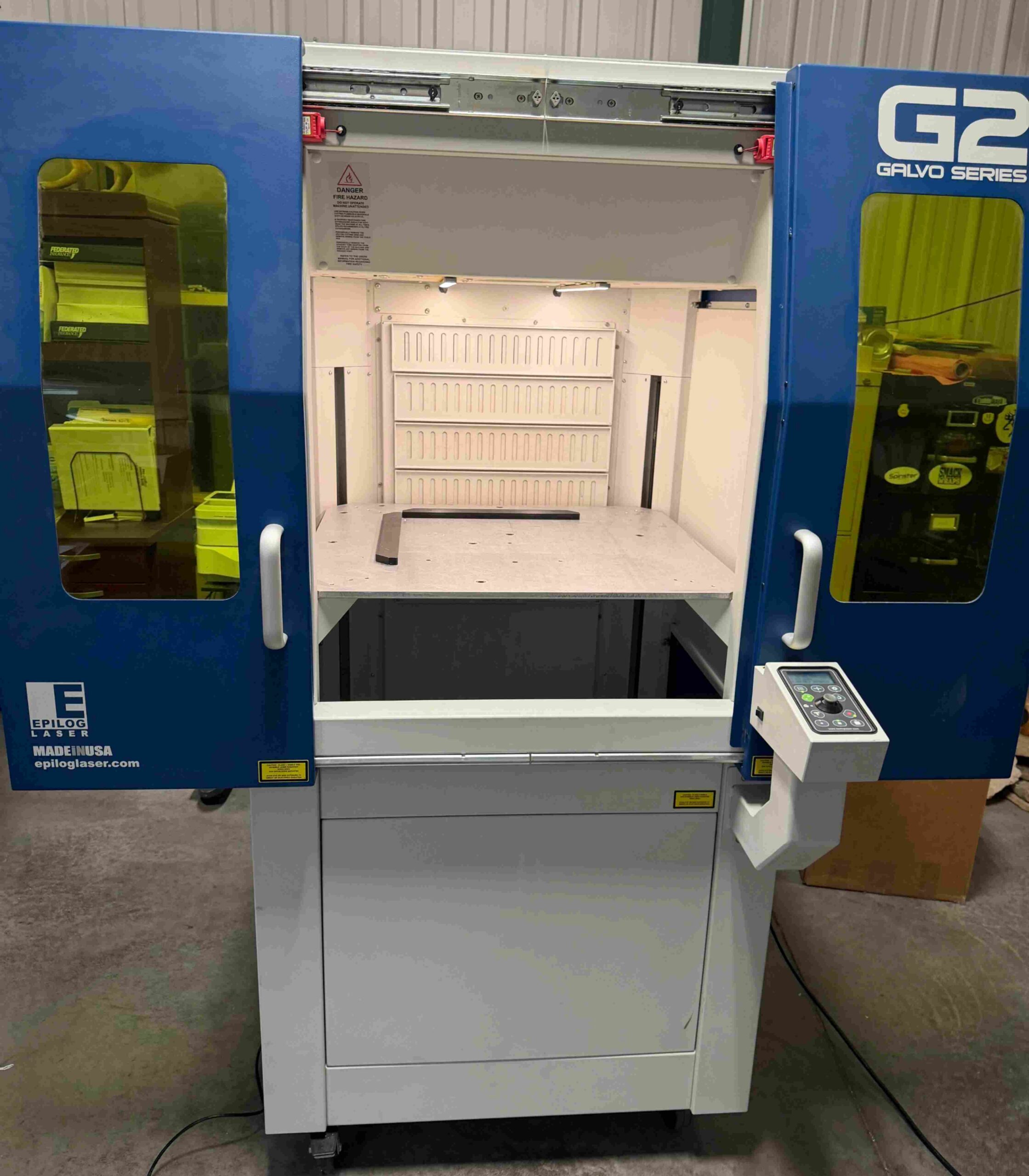
Epilog G2 Galvo Fiber Laser | View Product Details
Roberson Machine Company performs laser engraving using a 60-watt Epilog G2 Galvo fiber laser engineered for industrial marking and production work. Permanent, high-contrast engraving is produced through 1064 nm infrared light on compatible metals, hard plastics, coated materials, and other substrates used in manufacturing.
This is not a trophy or desktop engraving system. The machine’s power, adjustable work fields, and fiber-laser setup support production volumes, deeper marks, and repeat engraving for CNC-machined components.
| Machine | Epilog G2 Galvo Fiber Laser |
|---|---|
| Laser Output | 60 watts |
| Wavelength | 1064 nm infrared |
| Marking System | Three-axis galvanometer |
| Selectable Work Fields | 4″ × 4″, 16″ × 16″, and 24″ × 24″ |
Adjustable Work Fields for Different Parts
Different parts require different marking areas, so the Epilog G2 provides selectable 4″ × 4″, 16″ × 16″, and 24″ × 24″ work fields. Our team can configure the field around the part and required mark rather than treating every component the same.
Built for Production Engraving
Rather than serving as decorative trophy equipment, the 60-watt fiber laser is configured for industrial marking. It supports deeper engraving, repeated identification, and production quantities of machined parts.
In the ideal workflow, Roberson Machine Company machines the parts and applies the required SKUs, serial information, logos, or other identification before final delivery.
Why Is Laser Engraving Used in Billings, MT?
When information must stay permanently readable across manufacturing, installation, cleaning, maintenance, and service, laser engraving provides a durable marking method.
What Types of Parts Need Laser Engraving?
- Industrial valve bodies and manifold components
- Covers, housings, and enclosures
- Production plates, brackets, and mounts
- Shafts, pins, bushings, and rollers
- Production fixtures, inspection gauges, and tooling
- Panels, plates, and hardware used in control systems
- Acrylic instrument parts and medical microscope components
- Automation and robotic tooling
- Replacement and maintenance parts
- Customer-facing branded components
What Machining Processes Prepare Parts for Billings, MT, Laser Engraving?
Machining and inspection usually occur before laser engraving. Part geometry, feature requirements, and the location of the mark determine which CNC process supports the work.
- CNC milling: Produces flat faces, angled surfaces, contours, pockets, mounting details, and the broader geometry of the component.
- CNC turning: Supports round components that require engraving on a flange, shoulder, end face, or exposed outside diameter.
- 5-axis machining: Creates complex forms and angled faces that require the engraving surface and final part orientation to be evaluated together.
- Wire EDM: Produces precision profiles, inserts, tooling details, and hardened conductive components that may require permanent identification after machining.
What Industries Need Laser-Engraved Parts?
Engraving complements Roberson Machine Company’s industrial machining capabilities by supporting identification, assembly, inspection, maintenance, and operating requirements across a range of parts.
| Industry | Common Components | How Engraving Supports the Application |
|---|---|---|
| Aerospace | Precision parts, production fixtures, and tooling | Supports identification that connects aerospace parts and tooling to relevant production and service records |
| Medical | Medical instruments, device parts, and specialized tooling | Maintains readable identification through routine cleaning, repeated handling, and continued instrument use |
| Automotive and EV | Automotive components, production tooling, and fixtures | Helps maintain part tracking and assembly orientation throughout repeat automotive production |
| Packaging | Packaging equipment components, replacement parts, and changeover tooling | Helps operators identify setup positions, orientation, and maintenance requirements during changeovers |
| Automation and Robotics | Robotic tooling, motion-system parts, panels, and control hardware | Identifies ports, tooling positions, motion components, and service points within automated systems |
| Oil and Energy | Valves, fittings, pump components, and replacement parts | Provides lasting identification for parts exposed to difficult operating and maintenance conditions |
Fiber Laser Engraving for Production Runs and Repeat Orders
Roberson Machine Company can incorporate Billings, MT, fiber laser engraving into repeat manufacturing so identification remains consistent from the first production release through future orders.
Engraving requirements can become part of the documented bulk CNC production strategy, keeping them tied to machining, inspection, and release details across repeat orders.
Documenting Engraving for Repeat Production Runs
- Defined marking location: Placement and orientation can remain consistent across repeat parts.
- Documented formatting: Mark size, layout, and customer specifications can remain documented for later releases.
- Coordinated production records: The engraving specifications remain tied to the machining and inspection requirements.
- Repeat-order readiness: Established specifications reduce the need to rebuild the marking approach for each order.
Ongoing production planning can address quantities, release schedules, materials, and marking specifications together.
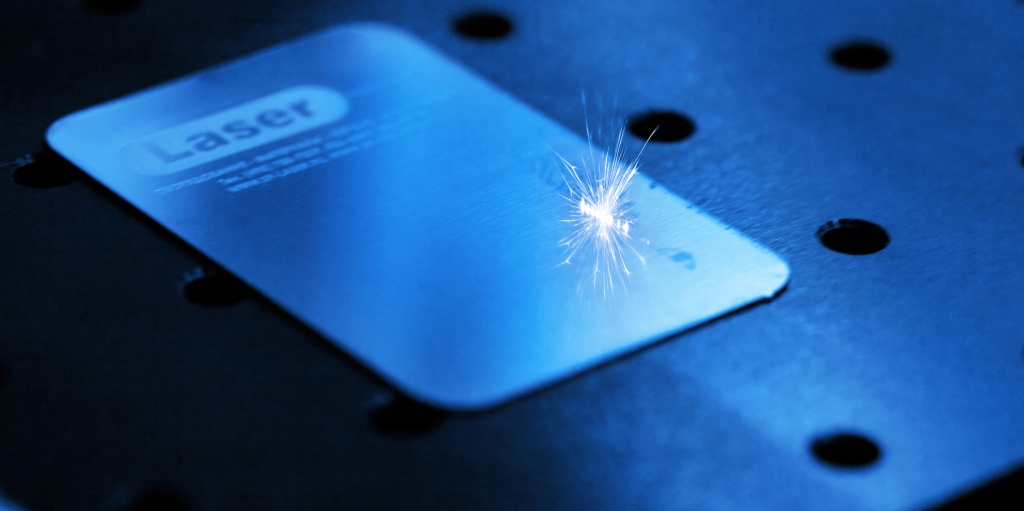
Answers to Fiber Laser Engraving Questions in Billings, MT
Customers often ask how fiber laser engraving is priced, when marking occurs during production, which materials respond well, and whether engraving changes the part itself. The answers below address pricing factors, workflow considerations, material response, dimensional impact, and replacement-part engraving.
What factors determine fiber laser engraving cost?
Several details affect fiber laser engraving cost, including the component, the complexity of the mark, and the preparation required before marking begins. These factors include:
- The material being marked and its finish
- Production volume
- The overall mark size and design complexity
- Whether the marking location is readily accessible
- The need for dedicated fixturing or controlled orientation
- The need to mark more than one location
- Whether engraving is coordinated with machining and inspection under the same order
Engraving an accessible, flat section of a part usually requires less preparation than marking a complex component in several locations.
How quickly can laser engraving in Billings, MT, be completed?
Production time depends on the number of parts, the amount of information being engraved, the complexity of the layout, and whether every component receives the same mark or variable information. Additional time may be required for setup, fixturing, component handling, and completed-mark inspection.
Laser engraving included within CNC production is timed around the broader finishing, inspection, and release process. The engraving itself may be relatively quick, while the broader production schedule depends on the full manufacturing path.
How permanent is fiber laser engraving?
Fiber laser engraving creates a permanent mark by altering the surface of the component rather than applying ink, a sticker, or an attached label. Under normal conditions, the mark remains readable through production handling, assembly, maintenance, and service.
Long-term mark quality reflects several factors, including the material, engraving depth, surface treatment, service conditions, and placement on the part. The mark may become harder to read after severe abrasion, later material removal, refinishing, corrosion, or extensive surface damage.
What metals and plastics can be laser engraved?
Billings, MT fiber laser engraving supports a range of metals, plastics, and finished surfaces used in CNC manufacturing, including:
- Aluminum parts with bare or compatible anodized surfaces
- Machined stainless steel components
- Carbon steel and tool steel
- Brass and other compatible alloys
- Compatible plastics used for machined components
- Selected surface-treated, coated, or painted components
The same engraving settings do not create an identical result across every material or finish. Material composition, finish, coatings, additives, and identification requirements should be reviewed before marking specifications are approved.
Will laser engraving in Billings, MT, alter the finished part?
The marking location is normally selected so laser engraving does not change the component’s dimensions, geometry, or assembly fit. More detailed review may be needed when the designated marking area involves:
- Functional sealing faces
- Mating features
- Tightly controlled dimensions
- Narrow or lightweight wall sections
- Visible cosmetic surfaces
- Surfaces subject to repeated friction or handling
The engraving depth, placement, and orientation should be defined before production to preserve both readability and component performance.
Can Roberson Machine Company recreate an existing engraved mark?
A replacement mark can usually be established when the original text, formatting, dimensions, orientation, and marking area can be verified. Reference materials such as drawings, CAD files, engraved parts, photographs, and production records may help establish the required replacement mark.
The ability to create an exact visual match depends on factors such as the original marking process, typeface, material, finish, coating, and reference-part condition. The functional content of the engraving can often be matched more readily than its precise historical appearance.
Choose Roberson Machine Company for Billings, MT, Laser Engraving
Roberson Machine Company combines CNC machining and laser engraving so components can move through marking and inspection before final release.
- Engraving scheduled alongside machining and completed-part inspection
- Documented layouts, locations, and formats for returning orders
- Engraving capabilities for prototype work and ongoing manufacturing
Supporting CNC manufacturing capabilities include:
- Automated CNC Milling Machine
- Plastic Machining
- Wire EDM Parts
- Lathe Machine
- Precision Stainless Steel Machining
- CNC Lathe Machining
- Custom CNC Machining for Part Production
- CNC Machine Automation
- Oil and Gas Precision Machining
To review your Billings, MT, laser engraving and CNC machining needs, request a quote online or contact Roberson Machine Company at 573-646-3996.