

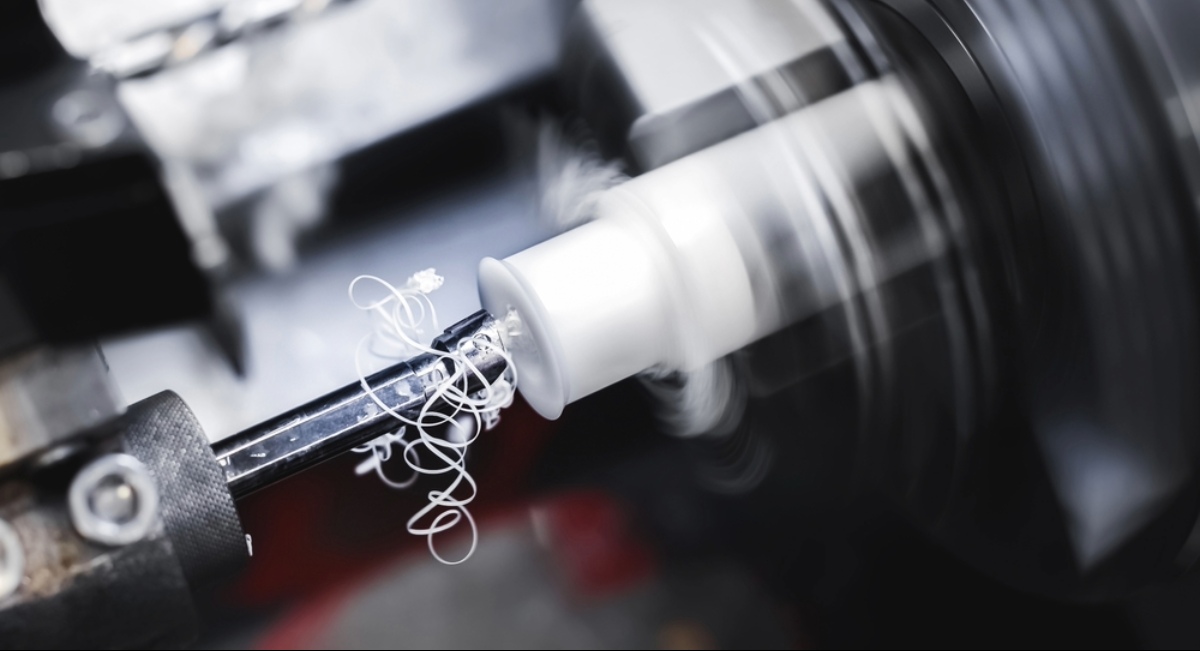
Through plastic machining in Asheville, NC, manufacturers can produce lightweight parts with durable, chemical-resistant, electrically insulating, or low-friction performance. For suitable components, machined plastic provides the required function while offering opportunities to reduce part weight and production expense.
At Roberson Machine Company, we produce machined plastic prototypes, replacement parts, high-volume orders, and components for larger equipment and assemblies.
Learn More About
- What plastic machining does for parts produced from solid stock
- How heat, workholding, and material behavior shape the machining plan
- Which CNC processes create different plastic parts and features in Asheville, NC
- Where machined plastic components are used across industrial operations
- How common plastics compare by material properties and applications
- How process planning supports higher quantities and repeat orders
- Practical answers about pricing, materials, and production decisions
If you need precision plastic components machined in Asheville, NC, contact us online or call 573-646-3996 to discuss materials, quantities, and production timelines.
What Is Plastic Machining?
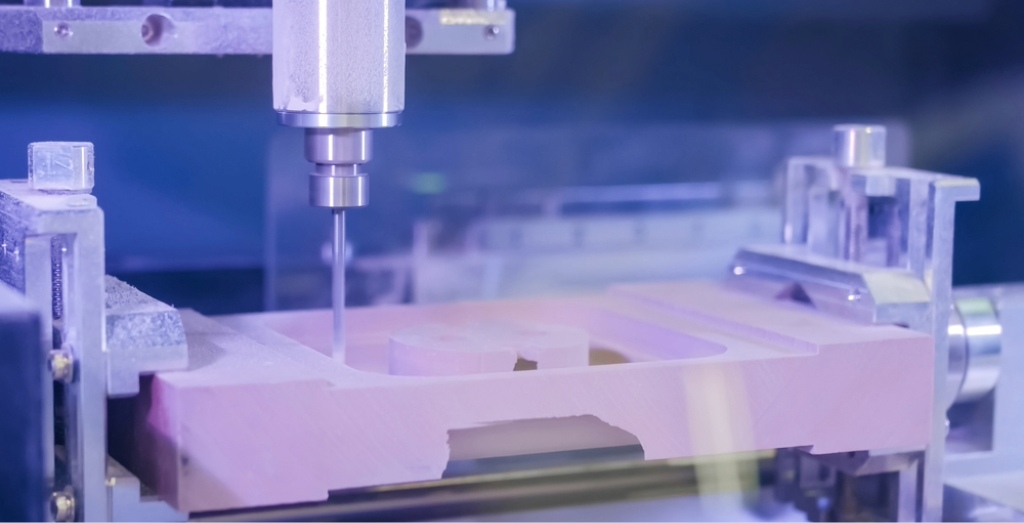
Through plastic machining, manufacturers remove material from solid plastic stock with a subtractive manufacturing process to form a finished component. Based on a drawing or digital model, CNC equipment follows programmed cutting paths until the component reaches its required shape and dimensions.
Manufacturers can produce machined plastic parts from stock supplied as sheets, plates, blocks, rods, or tubes. Because parts are cut directly from stock, manufacturers can create and modify designs without first producing a dedicated mold.
How Is Machining Plastic Different From Machining Metal?
Many CNC processes used to machine metal components can also produce plastic parts. Plastic machining requires different planning because heat, cutting forces, clamping, and environmental changes affect the material differently.
Managing Heat During Plastic Machining
Most plastics conduct heat less efficiently than metals, so temperatures may increase quickly near the cutting tool. Excessive heat can affect both finished quality and dimensions by softening or distorting the plastic.
Proper chip evacuation helps protect the quality of the machined surface. If chips are not cleared effectively, trapped heat and cutting interference may reduce edge quality and create visible surface defects.
Plastic Workholding and Part Stability
Plastic stock needs secure support without clamping pressure that compresses, marks, or distorts it. Workholding and process planning should account for:
- Flexing in thin walls or features without adequate support
- Components that may lose their shape under fixture or cutting pressure
- Dimensional movement caused by temperature, moisture absorption, or internal stress
Material Selection and Process Planning
Plastics such as acrylic, nylon, acetal, PEEK, PTFE, and UHMW react differently to cutting conditions and tooling. The specific resin, material grade, and intended operating environment guide both machining and inspection decisions.
How Are Plastic Parts CNC Machined in Asheville, NC?
Manufacturers select one or more precision CNC machining processes based on the plastic stock, required geometry, tolerances, and part features.
| CNC Process | Example Plastic Parts | How the Process Is Used |
|---|---|---|
| CNC Milling | Housings, covers, brackets, plates, mounts, manifolds, fixtures, and acrylic instrument parts |
|
| CNC Turning | Bushings, sleeves, spacers, rings, pulleys, shafts, pins, and ink rollers |
|
| 5-Axis Machining | Contoured housings, complex fixtures, medical components, and multi-sided parts |
|
| Multi-Axis Machining | Valve components, sensor hardware, enclosures, tooling components, and parts with features on multiple sides |
|
What Industries Need Machined Plastic Parts in Asheville, NC?
Across multiple sectors, Roberson Machine Company’s industrial machining capabilities support plastic parts used in production systems, tooling, finished products, and larger assemblies.
- Aerospace: In weight-sensitive applications, machined plastic parts can replace metal components in aerospace fixtures, instrument hardware, insulators, and components where lower mass provides an advantage.
- Medical: Manufacturers select clear, nonconductive, or chemically resistant plastics for plastic medical components used in diagnostic systems, fixtures, and parts exposed to repeated cleaning.
- Automotive and EV: Plastic parts provide electrical isolation, fluid resistance, and low-friction movement within vehicles, testing systems, and production equipment.
- Packaging: Wear-resistant machined plastics provide a practical material for packaging guides, tooling, and handling components exposed to motion, moisture, and cleaning.
- Automation and Robotics: Lightweight tooling reduces moving mass, while plastic guides and wear surfaces limit friction and protect products during repeated automated cycles.
- Oil and Energy: Plastics selected for chemical and corrosion resistance support energy equipment exposed to moisture, fluids, electrical components, and demanding service conditions.
The best material for an application depends on how the part moves, what loads it carries, and the temperature, chemicals, electrical conditions, and environment it encounters.
Which Plastics Can Be CNC Machined?
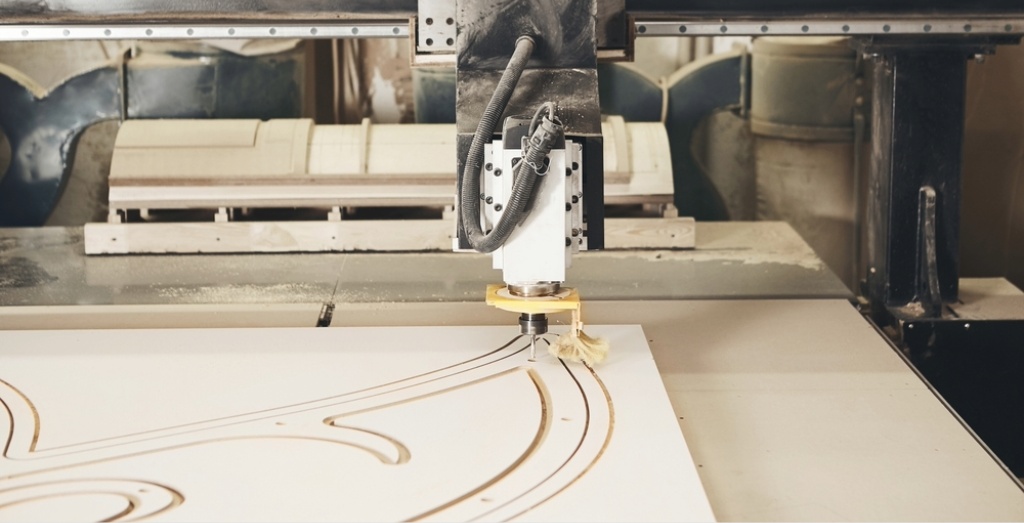
A wide range of thermoplastics and engineering plastics can be CNC machined from common stock forms, including sheet, plate, block, rod, and tube. Several material groups frequently appear in industrial components, but the application ultimately determines the best plastic for CNC machining.
Acetal and Nylon
Acetal provides low-friction performance, wear resistance, and relatively low moisture absorption for dimensionally stable components.
Nylon resists abrasion and withstands demanding use, although moisture absorption must be considered when dimensions matter.
Acrylic and Polycarbonate
Acrylics, including plexiglass, offer the clarity and surface hardness needed for windows, covers, instruments, and display components. Polycarbonate offers a transparent but more impact-resistant option for guards, housings, and parts that encounter frequent handling.
PTFE and UHMW Materials
Both materials provide low-friction performance for distinct industrial applications:
PEEK and Other High-Performance Plastics
PEEK supports applications that require chemical resistance and dependable mechanical performance at elevated temperatures.
The higher cost of PEEK may be justified when standard engineering plastics cannot meet the application’s performance requirements.
Manufacturers may also machine ABS, polypropylene, polyethylene, PVC, and other plastics when their properties match the component requirements. The selected grade and stock condition affect material performance, as do any additives or reinforcing materials.
High-Volume Plastic Machining for Repeat Production
High-volume plastic machining in Asheville, NC, uses consistent CNC methods to support higher-volume releases and recurring orders of machined plastic parts. As a project moves through production ramp-up, attention expands beyond the initial part to maintaining material, setup, dimensional, and finish consistency at greater volumes.
Preparing for larger quantities and recurring orders may involve:
- Material supply: Maintaining the specified resin, grade, stock form, and relevant material documentation across production releases.
- Documented setups: Maintaining setup records that identify tooling, workholding, machine parameters, and component orientation.
- Tool-life planning: Planning tool changes based on condition and wear before finished surfaces or dimensions begin to vary.
- Production inspection: Planning first-piece approval, in-process checks, and final inspection around the component and production volume.
- Revision control: Confirming that production uses the correct drawings, programs, inspection records, and authorized changes.
These controls support consistency and precision in mass-production CNC machining while preserving a repeatable production plan for future releases of the same component.
FAQs About Asheville, NC, Plastic Machining
Should a plastic component be machined or molded?
CNC machining often makes more sense for low-volume prototypes, evolving designs, and complex features that dedicated molds cannot produce easily. It also eliminates the tooling development process and its associated upfront cost.
Molding may provide better economics after the design stabilizes and production quantities become large enough to recover the tooling cost. Machining may still serve higher-volume orders when the part needs machined features or cannot be produced effectively through molding.
How do I request a quote for a machined plastic part in Asheville, NC?
A digital model or part drawing supplies the core information needed to begin a plastic machining quote. Important quoting details include:
- Overall part size and specified features
- Critical dimensions and allowable variation
- Plastic resin and grade
- Initial quantity and expected repeat orders
- Required surface finish and edge condition
- Required threads, inserts, and mating components
- Required inspections and supporting documentation
- Target production and delivery timing
If material selection is part of the project, describe the component’s function, environment, and exposure to chemicals, moisture, electricity, temperature, or mechanical loads.
How much does plastic machining cost in Asheville, NC?
Plastic machining cost depends on the material, stock size, quantity, setup complexity, machining time, and inspection plan. Selecting a high-performance resin such as PEEK may add substantial material cost compared with common engineering plastics.
A straightforward component machined from standard stock usually has a lower cost than complex geometry that requires custom workholding and several machining steps.
What tolerances are practical for machined plastic parts?
Practical limits depend on the plastic, part size, wall thickness, stock condition, and service environment. The component may respond to machining heat, environmental moisture, released internal stress, or clamping pressure.
Functional requirements should guide tolerance selection because values used for metal parts may not suit plastic components. Identifying functionally important features on the drawing helps prioritize dimensions related to fit, sealing, alignment, motion, and assembly.
How do I choose a plastic for CNC machining?
A material that works well for one CNC project may not suit another. Material selection should match the part’s required performance while avoiding capabilities and costs that provide no benefit to the application.
Acetal commonly suits dimensionally stable components that require low-friction performance. Applications involving abrasion and demanding mechanical use may call for nylon. Acrylic and polycarbonate serve many transparent applications, whereas PTFE, UHMW, and PEEK suit components with more specialized needs. Resin formulation, grade, and additives can affect the finished component’s properties.
Can machined plastic parts replace metal components in Asheville, NC?
Replacing metal with plastic may make sense when the part needs lower mass, electrical isolation, reduced friction, or resistance to corrosive environments. Plastic and metal behave differently, so the replacement may require design changes.
The redesigned component should account for:
- Mechanical loads and impact
- Temperature ranges and exposure to chemicals
- Expected wear, friction levels, and component life
- Material movement related to temperature or moisture
- Wall thickness, fastening, and structural support
These factors may require changes to the original design instead of machining the same shape from a different material.
Discuss Plastic Machining in Asheville, NC, With Roberson Machine Company
Roberson Machine Company produces machined plastic parts for prototyping, replacement, and scheduled production using customer-provided drawings, digital models, and specifications.
- The production approach begins with the plastic and application, with machining and inspection planned around the resin, stock form, functional features, and expected service conditions.
- A component may move through several CNC machining processes when the design combines milled, turned, drilled, threaded, or multi-sided geometry.
- New parts can move from prototype machining into recurring production with documented setups and inspection plans supporting future orders.
Send Roberson Machine Company your part drawing or model along with the material, quantity, and requested schedule. To discuss your plastic machining project in Asheville, NC, contact Roberson Machine Company online or call 573-646-3996.