

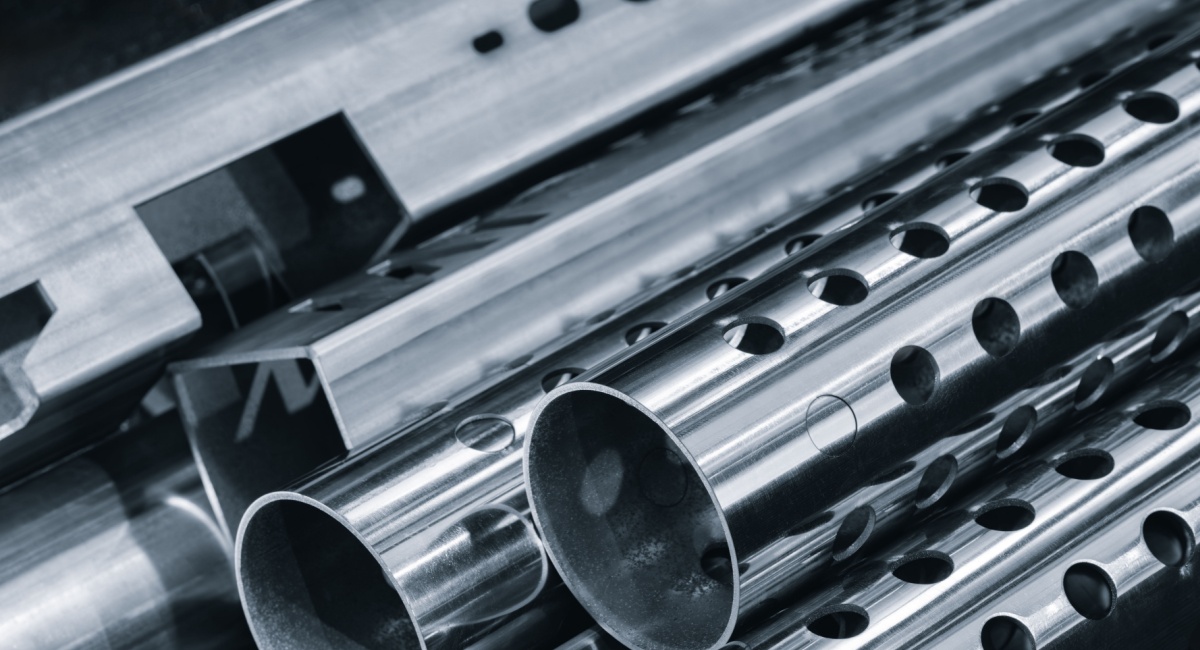
Precision stainless steel machining in Albany, NY, supports the production of corrosion-resistant and structurally demanding components where material response influences long-term performance. At Roberson Machine Company, precision stainless steel machining delivers parts engineered to withstand moisture, pressure cycling, mechanical load, and regulated operating environments.
Learn More About
Medical, aerospace, and industrial automation systems rely on stainless components in applications where performance margins are tight. Our stainless capabilities extend from small batches to sustained high-volume production across numerous grades and geometries, including parts that mature into long-term manufacturing similar to many everyday machinery components produced at scale. If you are planning a stainless project, contact us online or call 573-646-3996 to discuss Albany, NY, precision stainless steel machining.
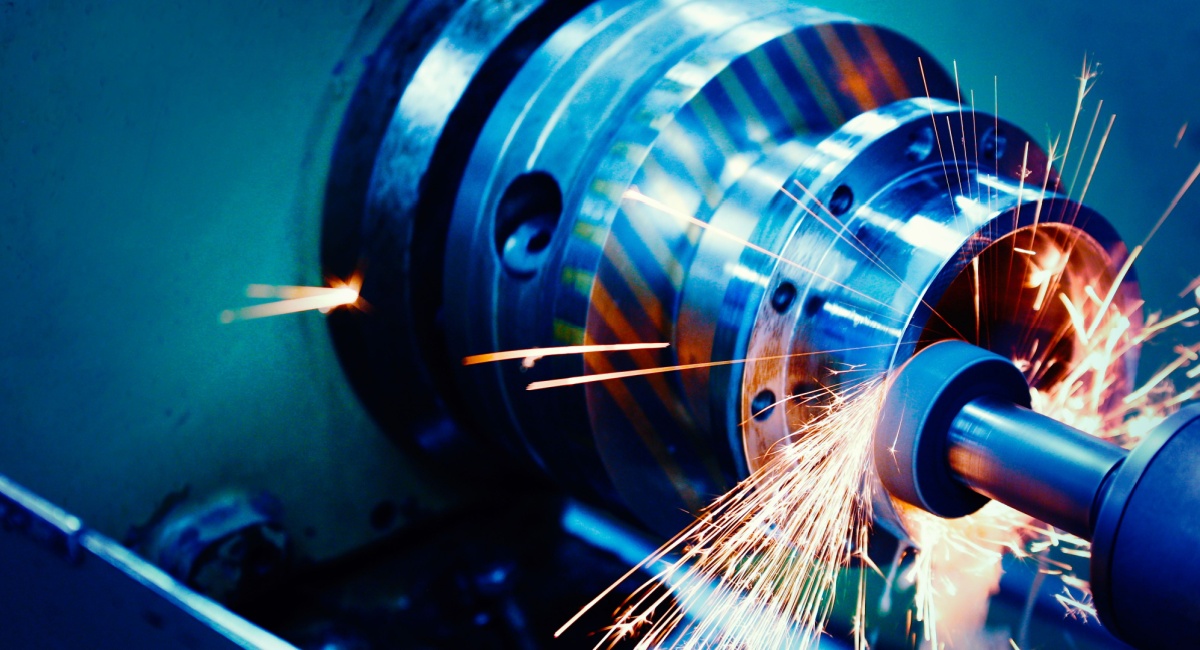
Applications for Precision Stainless Steel Machining in Albany, NY
Precision stainless steel machining is used when environment, load, or regulatory requirements directly influence how a component performs in service. Across medical manufacturing, food and beverage production, oil and energy systems, aerospace assemblies, and automotive and heavy machinery applications, material choice supports durability under exposure, pressure, and repeated cleaning cycles. Stainless also shows up across other industries where corrosion resistance and long service life matter.
Corrosive or Washdown Conditions
Exposure to moisture, chemicals, or cleaning processes places demands on surface performance, making stainless a practical material choice. Applications including precision valve bodies and laboratory assemblies operate where surface degradation is not permitted.
In corrosive and washdown conditions, exposure tends to be routine. Systems may experience repeated sanitation cycles, caustic chemicals, thermal changes, and persistent humidity. Stainless alloys support the integrity of:
- Critical sealing faces that need stable, smooth geometry
- Threaded and mating features that must avoid corrosion or seizure
- Surface finishes compatible with cleaning and inspection protocols
Material choice in these environments directly affects service intervals, maintenance frequency, and long-term equipment reliability.
Pressure & Fluid Handling
Valve bodies, manifolds, and fluid-containment components operate under repeated pressure cycles and extended service intervals. In these systems, material stability directly affects sealing performance and long-term reliability.
Fluid-handling systems commonly encounter:
- Fluctuating pressure loads that impact sealing geometry
- Contact with aggressive or temperature-dependent fluids
- Continuous cycling that stresses critical mating areas
Albany, NY, precision stainless steel machining helps maintain sealing consistency and resists corrosion that may affect threads, bores, or machined surfaces over extended use.
Load-Bearing & Wear-Sensitive Parts
Applications involving structural hardware, aerospace components, and automation systems like end-of-arm robotic tooling require materials that withstand mechanical loads and environmental conditions.
In such systems, stainless alloys may be selected to manage:
- Ongoing mechanical loads and vibration cycles
- Wear at mating surfaces or sliding contact areas
- Industrial or outdoor exposure where stress and corrosion occur together
Maintaining both strength and corrosion resistance allows parts to perform structurally without compromising durability in high-demand environments.
Common Components Produced with Stainless Steel
The demands of these environments shape the components manufactured in stainless. Material selection frequently centers on parts that require both corrosion resistance and structural integrity.
- Sealing and flow-control components: Valve bodies, manifolds, fittings, and fluid-handling hardware where corrosion resistance and sealing geometry affect performance.
- Sanitary and washdown hardware: Housings, brackets, and mounting components used in food, pharmaceutical, and laboratory environments.
- Load-bearing mechanical elements: Shafts, pins, fasteners, and structural hardware exposed to mechanical stress and environmental conditions.
- Automation and equipment assemblies: Wear surfaces, guides, tooling interfaces, and mechanical features used in continuous-duty industrial systems.
Choosing the Right Stainless Steel for Albany, NY, Precision Machining
Stainless materials span several alloy categories tailored for specific corrosion and strength requirements. In precision CNC machining, the selected grade influences tool wear rates, finish quality, dimensional repeatability, and service performance. In precision stainless steel machining, identifying the proper alloy early reduces later production risk.
Corrosion exposure must match the service environment
Chlorides, moisture, sanitation processes, and temperature cycling all influence alloy choice. Stainless steel resists rust through a protective chromium layer, though aggressive exposure can compromise it. In precision stainless steel machining, corrosion resistance must match the operating environment.
Mechanical requirements influence alloy family selection
Performance characteristics such as hardness, strength, fatigue life, and temperature tolerance differ across stainless families. 17-4 PH and similar alloys achieve higher strength via the phase changes common to precipitation-hardening stainless steels.
Machinability affects cost and process stability
The cutting behavior of stainless differs from that of carbon steel or aluminum. Austenitic materials can work harden during machining, affecting chip formation and tool longevity.
Downstream processes narrow viable grade options
Requirements related to welding, thermal processing, passivation, electropolishing, surface coating, and inspection can restrict grade selection early on.
Primary Stainless Steel Families Used in Precision Machining
Within Albany, NY, precision stainless steel machining applications, engineers typically work from a limited number of established alloy families:
- 300 Series (Austenitic) — 303, 304/304L, 316/316L. Corrosion-resistant grades used across sanitary, chemical, and general industrial applications.
- Precipitation-Hardening Stainless — 17-4 PH. Selected for applications requiring increased strength through heat treatment.
- 400 Series (Martensitic) — 410, 420, and 416. Grades commonly used where hardness and wear resistance are prioritized.
- Duplex Stainless — Used where higher strength and resistance to stress corrosion cracking are both required.
Machining Capabilities for Stainless Steel Components
Stainless components often move through multiple machining operations to control heat, manage cutting forces, and complete functional features within stable setups. Coordinated workflows help maintain alignment and geometry across operations.
- CNC Turning — Forms diameters, internal bores, and threads where rotational precision and sealing integrity are critical.
- CNC Milling — Builds critical flat and pocketed features with consistent dimensional control.
- Multi-Axis CNC Machining — Decreases setup variation while preserving dimensional relationships across features.
- 5-Axis CNC Machining — Allows tool access to multi-surface features in one coordinated process.
- Wire EDM — Delivers controlled internal cuts in high-strength stainless grades.
These capabilities in Albany, NY, precision stainless steel machining assist with prototype and first-article development, validating geometry and feature coordination ahead of full production.
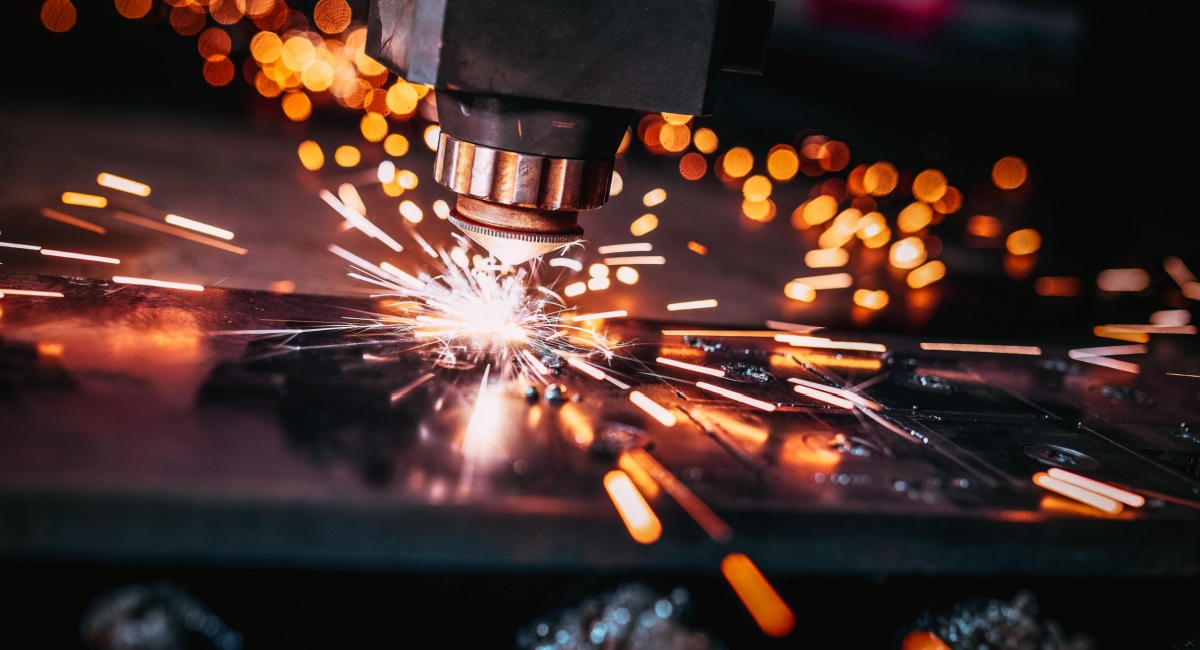
Stainless Steel in High-Volume Production
Stainless Steel in High-Volume Production
In high-volume CNC machining, stainless steel places greater demands on process control. What appears stable in short runs can shift gradually when production scales into thousands of components.
Once stainless machining moves into repeat production, three core controls shape process stability:
-
Tooling strategy and wear management
Stainless machining amplifies heat and cutting pressure, accelerating wear when process controls are informal. Validated tooling systems and structured automation workflows maintain stability throughout long runs. -
Setup discipline across releases
Even minor setup shifts can accumulate across high-volume output. Structured fixturing and documented inspection processes help sustain geometric accuracy over time. -
Material traceability and documentation
As production timelines extend, documented certifications and heat tracking reinforce continuity and compliance.
Maintaining Stability Between Production Cycles
In Albany, NY, high-volume stainless machining frequently progresses in structured releases with months between runs. Those breaks create process risks that uninterrupted production avoids.
- Without baseline validation, tooling updates and offset changes can introduce variation.
- Machine recalibration or maintenance can subtly alter setup conditions, particularly when thermal behavior in machine tools affects dimensional output over time.
- Process updates may diverge from validated conditions unless supported by version-controlled documentation.
- When production resumes, environmental variation or different material lots can change cutting response.
Maintaining high-volume stainless part production requires more than sustaining output. It requires restarting production with the same validated process controls that defined the original release.
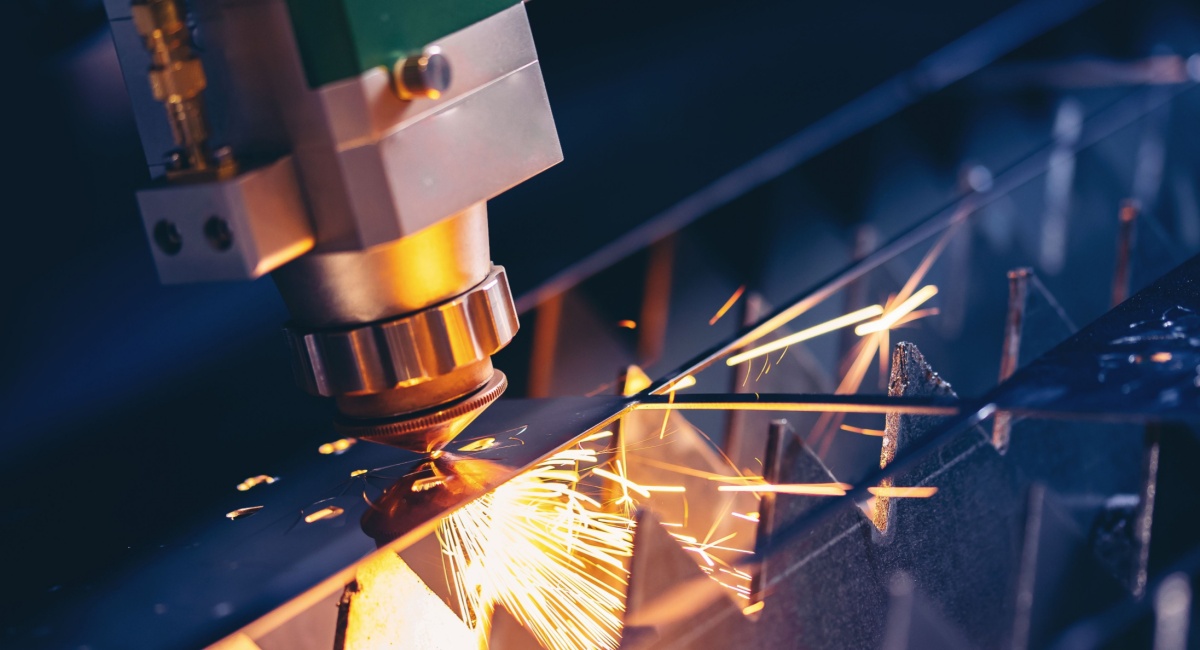
Frequently Asked Questions | Albany, NY, Precision Stainless Steel Machining
Production-focused precision stainless steel machining decisions usually revolve around material selection, manufacturing stability, and long-term performance. These frequently asked questions highlight important engineering considerations.
How do you determine if stainless steel is the right material for a machined part?
Stainless steel is commonly selected when corrosion exposure, mechanical stress, sanitation requirements, or long service life directly influence part performance.
Precision stainless steel machining often supports components in controlled, washdown, pressure-containing, or load-bearing systems where alternative materials may fall short in durability.
How should engineers select between 300 series, 400 series, and 17-4 PH grades?
The appropriate grade depends on how corrosion exposure, structural demand, and machining response must be balanced.
- 300 series grades emphasize corrosion resistance and are common in sanitary, food, and chemical applications.
- 400 series deliver improved wear resistance compared to austenitic grades.
- 17-4 PH supports higher strength requirements through precipitation hardening processes.
Selecting the correct stainless grade requires evaluating service conditions, mechanical loading, and downstream fabrication steps.
Is stainless steel more difficult to machine than other metals?
Machining stainless steel usually requires closer attention to heat management and cutting parameters than softer metals. Work-hardening tendencies and elevated cutting loads can shorten tool life.
Disciplined parameter control and coordinated operations enable stainless steel to be machined effectively at varying production scales.
Can stainless steel support sustained high-volume manufacturing?
Yes. Stainless is commonly produced in volume for automotive, medical, energy, and industrial systems.
Within precision stainless steel machining, consistent high-volume output requires documented tooling strategy, offset control, and disciplined inspection practices.
What elements most affect the cost of machining stainless steel?
Cost is influenced by material grade, part geometry, required tolerances, surface finish expectations, and production volume.
- Increased material hardness can elevate tooling requirements.
- Advanced geometries often increase setup complexity and machining time.
- Short production runs can raise setup repetition and associated cost.
How is Albany, NY, precision stainless steel machining part production managed across repeat releases?
Production consistency across releases requires documented fixturing, controlled tooling libraries, and defined inspection checkpoints.
After downtime, resuming work under the original validated parameters limits incremental drift across cycles.
What details are required to quote a Albany, NY, precision stainless steel machining job?
Accurate quoting begins with complete drawings, defined material grades, and realistic production assumptions.
- Latest revision part drawings including tolerance requirements
- Specified stainless alloy, if already defined
- Expected batch sizes and total annual output
- Defined finishing or passivation standards
- Inspection standards and documentation requirements
Preliminary coordination helps align alloy choice and manufacturing strategy prior to final pricing.
Why Work with Roberson Machine Company for Albany, NY, Precision Stainless Steel Machining?
Successful precision stainless steel machining depends on more than shop capacity — it relies on material selection judgment, controlled machining strategy, and consistent production discipline. Roberson Machine Company supports stainless components from early-stage validation through high-volume production, using workflows aligned with how stainless behaves under heat and mechanical load.
Stainless introduces variables that do not show up in softer materials. Managing those variables across short runs and long-term production requires experience at both the engineering and shop-floor levels. Our team focuses on:
- Stainless grade decisions aligned with functional application demands
- Tooling and parameter control built around heat, force, and material response
- Multi-process machining strategies that preserve alignment and feature intent
- Structured production controls that protect geometry across repeat releases
- Traceability systems supporting regulated and sustained production schedules
Further CNC machining services include:
- Laser Engraving
- Wire EDM Parts
- Lathe Machine
- CNC Lathe Machining
- Custom CNC Machining for Part Production
- CNC Machine Automation
- Oil and Gas Precision Machining
- Aerospace Manufacturing
- Automotive Part Manufacturing
From sanitary components to structural hardware, Roberson Machine Company delivers precision stainless steel machining solutions built for production stability and long-term reliability. Learn more about our team, request a quote online, or call 573-646-3996 to explore your Albany, NY, precision stainless steel machining requirements.