Designing Stainless Components for Corrosive and Washdown Environments
Corrosive environments and frequent washdown procedures place unique demands on machined components. Moisture, chemicals, sanitation cycles, and pressure exposure can all affect how parts perform over time, making material selection and component design critical for long-term durability.
In this article:
- Why corrosive and washdown environments influence component design
- What stainless steel properties support corrosion resistance
- Key design considerations for washdown and sanitation systems
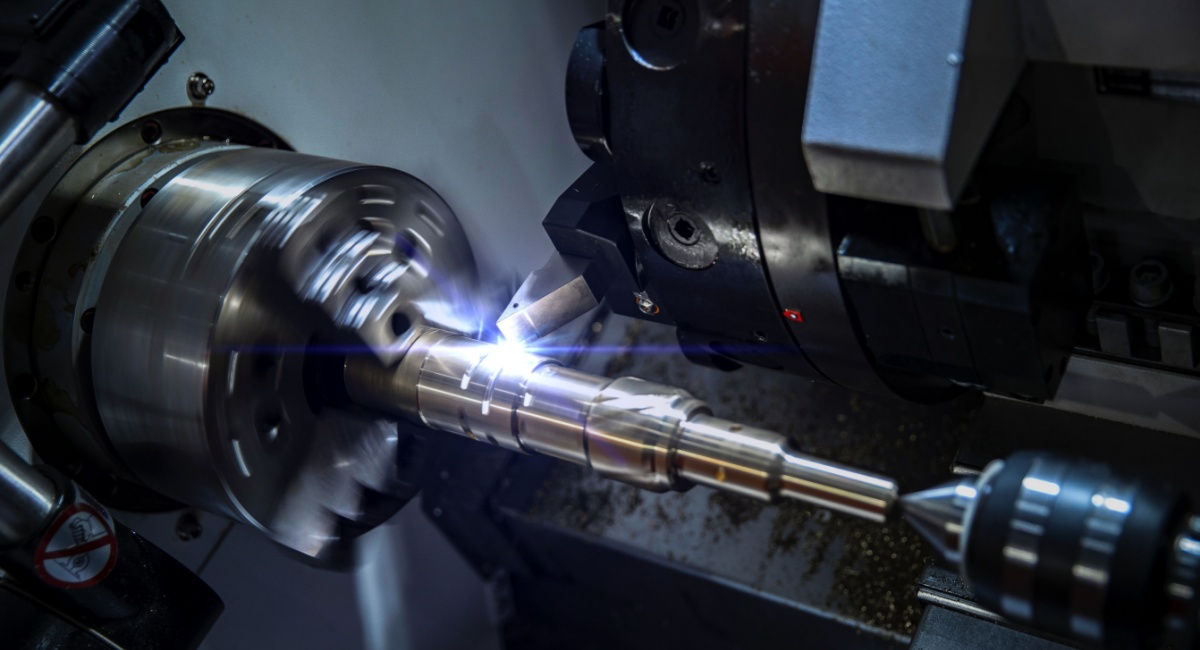
Processes such as precision stainless steel machining help produce components capable of withstanding repeated cleaning cycles and demanding operating conditions. Material selection alone, however, is only part of the equation. Surface finish, geometry, drainage, and sanitation access can all influence how well a component performs once equipment enters service.
At Roberson Machine Company, our precision CNC machining team helps manufacturers produce stainless components designed to perform reliably in corrosive and washdown environments.
How Corrosive and Washdown Environments Affect Component Design
Corrosive exposure and repeated washdown cycles create conditions that standard component designs are not always built to handle. Moisture, chemicals, sanitation procedures, and pressure cleaning can all influence how materials perform and how parts must be designed for long-term durability.
Why Stainless Steel Performs Well in Corrosive Environments
Industrial equipment often operates in environments where moisture, chemicals, or salt exposure gradually break down unprotected metals through corrosion. Over time, this chemical reaction can damage surfaces, weaken finishes, and reduce component reliability.
Stainless steel is widely used in these environments because the alloy forms a protective surface layer that resists oxidation and chemical attack. These corrosion resistance properties help stainless components remain stable even when exposed to aggressive operating conditions.
Many stainless alloys also include nickel, which stabilizes the material structure and improves durability in demanding environments. This is one reason nickel-containing stainless steel alloys appear in equipment exposed to chemicals, humidity, and marine conditions.
Stainless components frequently appear in:
- Chemical processing systems
- Marine and offshore equipment
- Industrial fluid-handling hardware
- Food and pharmaceutical production equipment
In these environments, stainless steel machining allows manufacturers to produce parts designed to maintain structural integrity even when moisture, chemicals, and environmental exposure are part of normal operation.
Washdown and Sanitation Environments
Washdown environments introduce a different set of design challenges. Equipment used in food processing, pharmaceutical manufacturing, and packaging lines is routinely exposed to high-pressure water, sanitation chemicals, and frequent cleaning cycles.
To maintain hygiene and prevent contamination, many facilities follow hygienic equipment design guidelines that emphasize cleanable surfaces, proper drainage, and the elimination of crevices where bacteria or product residue can accumulate. Standards such as 3-A Sanitary Standards and regulatory frameworks like the Food Safety Modernization Act (FSMA) also influence how equipment used in food production environments must be designed and maintained.
In these settings, stainless components must resist corrosion while supporting consistent cleaning and inspection throughout the equipment’s service life. Washdown-ready components are typically designed with features such as:
- Smooth, non-porous surfaces that reduce residue buildup
- Rounded transitions that eliminate difficult-to-clean corners
- Drainage-friendly geometry that prevents standing water
- Minimal seams, threads, or crevices where contaminants could accumulate
These design choices help sanitation procedures reach every exposed surface during routine washdown cycles.
Stainless Steel Properties That Support Corrosion Resistance
Stainless steel performs well in corrosive and washdown environments because of several material properties built into the alloy itself. Elements such as chromium and nickel influence how the metal reacts with oxygen, moisture, and chemicals, helping stainless components remain stable even under demanding operating conditions.
Chromium forms a protective surface layer
One of the defining characteristics of stainless steel is the chromium content in the alloy. When exposed to oxygen, chromium reacts with the surrounding environment to form a thin oxide layer on the metal surface. This protective film slows the reactions that lead to stainless steel corrosion and shields the underlying metal from moisture and oxygen.
Nickel improves alloy stability
Many stainless steel grades include nickel as an alloying element. Nickel strengthens the alloy structure and helps stainless maintain corrosion resistance across a wider range of environments. That stability is one reason nickel-containing stainless steel alloys appear frequently in chemical processing equipment, marine hardware, and other systems exposed to moisture or aggressive chemicals.
Durability supports long service life
Beyond corrosion resistance, stainless steel maintains mechanical strength in environments where moisture, sanitation chemicals, and repeated washdown cycles are common. Stainless materials resist corrosion across many industrial applications, including food production, fluid-handling systems, and chemical processing environments. In water-exposed systems, engineers may also evaluate risks such as microbiologically influenced corrosion, where microbial activity can accelerate corrosion under certain operating conditions.
Design Considerations for Washdown and Sanitary Environments
Material choice is only one part of designing components for corrosive or washdown environments. Geometry, surface finish, and overall part design influence how easily equipment can be cleaned and how well components resist long-term exposure to moisture and sanitation chemicals.
- Smooth surface finishes that reduce residue, bacteria, and chemical buildup during cleaning cycles.
- Controlled geometry and tolerances that help components align properly and reduce gaps where moisture or contaminants can accumulate. Engineering standards such as Geometric Dimensioning and Tolerancing (GD&T) help communicate these requirements clearly on machining drawings.
- Rounded edges and transitions that eliminate tight internal corners where contaminants or moisture may collect.
- Drainage-friendly geometry that prevents standing water from collecting on component surfaces.
- Accessible component layouts that allow sanitation crews to reach critical surfaces during routine cleaning.
Together, these design features help stainless components remain cleanable, durable, and compliant with sanitation requirements in food processing, pharmaceutical manufacturing, and other washdown environments.
Stainless Components Built for Corrosive and Washdown Environments
Corrosive environments and sanitation-heavy equipment place unique demands on machined parts. Material properties, surface finish, geometry, and overall design all influence how reliably stainless components perform when exposed to moisture, chemicals, and repeated washdown cycles.
At Roberson Machine Company, we help manufacturers produce durable parts through precision stainless steel machining and advanced CNC machining. If you’re planning components for equipment exposed to corrosive or sanitation-intensive environments, contact our team or call 573-646-3996 to discuss your next machining project.