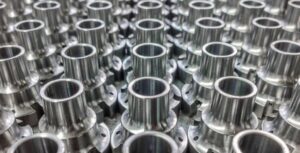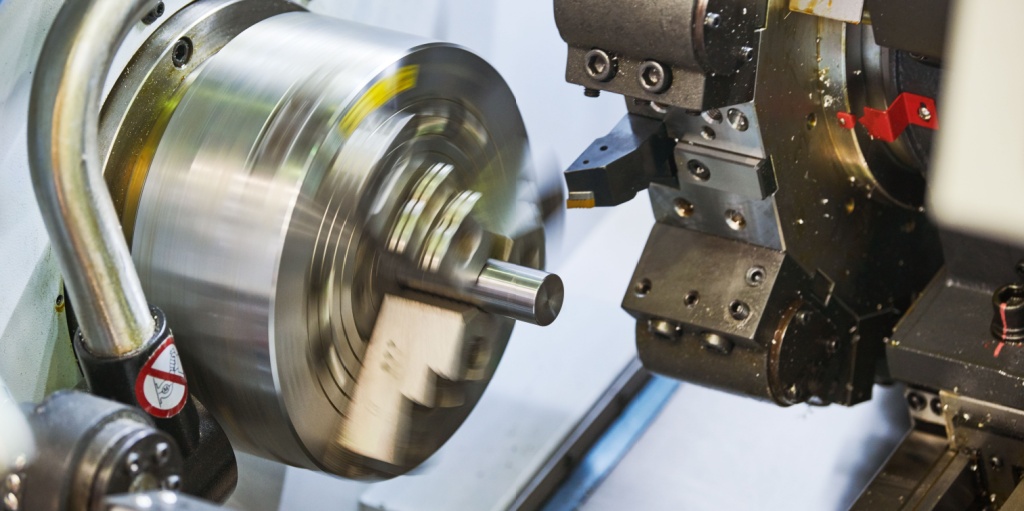
How Stainless Steel Behaves Differently Than Aluminum in Production
Stainless steel and aluminum may appear similar on a drawing, but they behave very differently once machining begins. Cutting forces, heat generation, chip formation, and tooling demands change depending on the material. Those differences often become more noticeable as parts move from prototype runs into repeat production.
In this article:
- How stainless steel and aluminum behave differently in part production
- Why heat and tooling demands differ between stainless steel and aluminum
- Where stainless steel and aluminum components show up in manufacturing
- Production considerations when choosing stainless steel or aluminum
While both materials are widely used in manufacturing, processes like precision stainless steel machining highlight how material behavior during cutting, heat management, and repeat production can influence tooling strategy, cycle time, and long-term process stability.
How Stainless Steel and Aluminum Behave Differently in Part Production
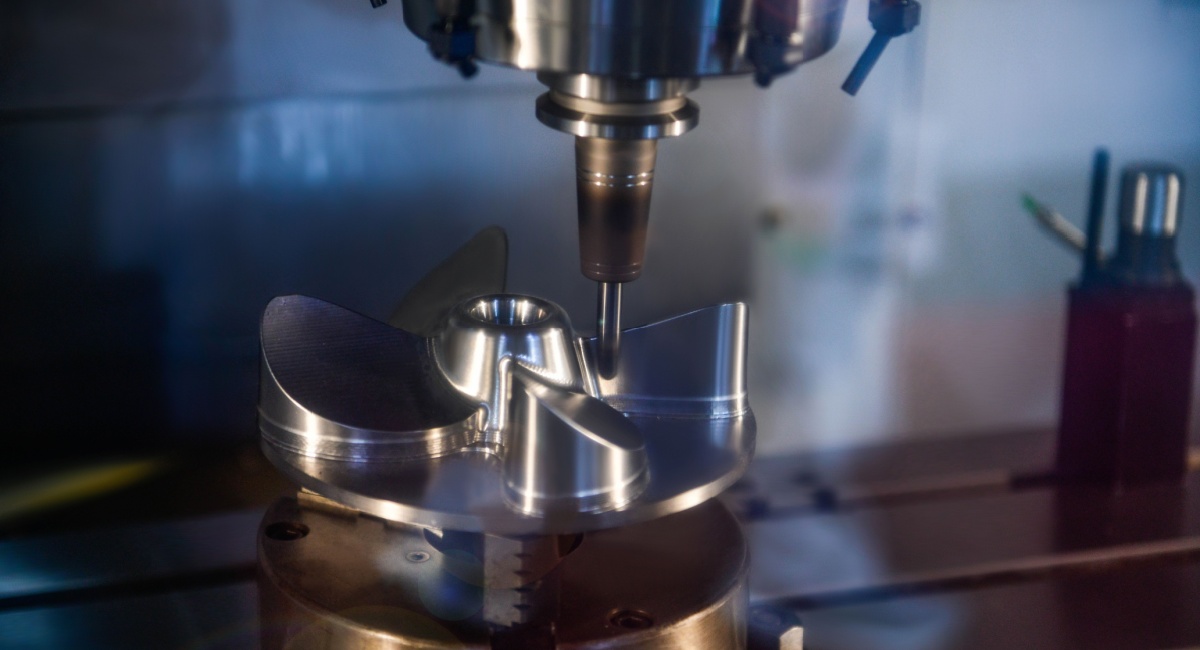
Although stainless steel and aluminum are both widely used in precision CNC machining, they behave differently once the actual cutting begins. Material strength, thermal response, and mechanical properties influence how each metal interacts with tooling and how stable the process remains as parts repeat.
Several machining characteristics explain why stainless steel and aluminum behave differently during part production.
Cutting Forces
Stainless steel generally resists cutting more than aluminum. Higher cutting forces place greater load on tooling and can accelerate tool wear if feeds, speeds, and tool engagement are not carefully controlled.
Aluminum typically cuts with less resistance, which allows faster machining speeds and shorter cycle times in many production environments.
Heat Generation
Heat behaves differently when machining stainless steel compared with aluminum. Stainless steel tends to retain heat at the cutting zone, which can increase heat buildup during machining and place additional thermal stress on cutting tools during longer production runs.
- Stainless steel tends to retain heat near the cutting zone, increasing stress on tooling and raising the risk of accelerated tool wear.
- Aluminum conducts heat away from the cutting edge more efficiently, which helps stabilize cutting conditions.
As production scales and parts repeat across longer runs, managing heat becomes more important for maintaining stable machining conditions in bulk part production.
Chip Formation
Cutting tools remove material during machining. This process—known as chip formation—depends partly on the metal being cut.
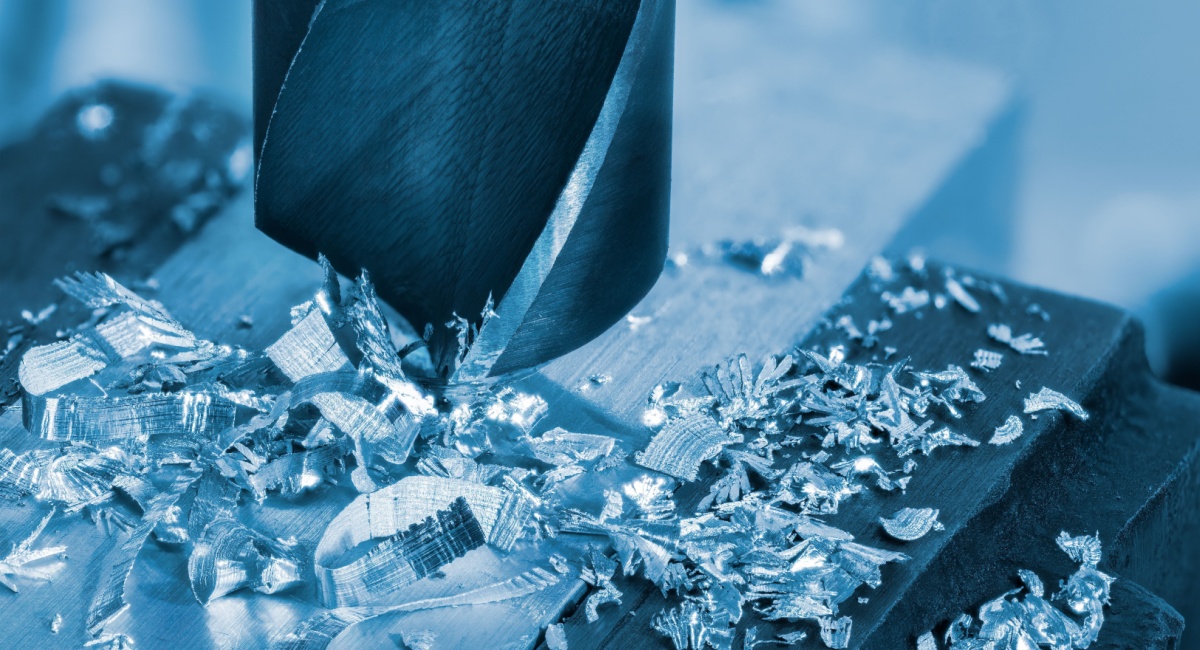
Aluminum chips are typically shorter and break away from the cutting edge more easily. This behavior helps keep the cutting area clearer and allows tools to maintain steady engagement with the material.
Stainless steel chips are usually tougher and more continuous. Instead of breaking quickly, they may curl or stretch before separating, which can make the cutting process more demanding.
Chip formation differences may seem minor during short runs, but they become more noticeable as production scales. The time required to clear material and maintain consistent cutting conditions can add up when deciding between aluminum and stainless for high-volume CNC production.
Work Hardening Behavior
Certain stainless steel grades can work harden during machining. When the surface layer hardens during cutting, tools end up working against a tougher version of the same base metal. The added hardness increases cutting resistance, accelerates tool wear, and can slow the machining process.
Aluminum does not respond the same way during machining. The material deforms and separates more easily under the cutting tool, so the surface layer does not harden as aggressively when the tool re-engages the cut. Lower cutting resistance reduces edge stress and makes tool chipping less likely when machining conditions shift.
Why Heat and Tooling Demands Differ Between Stainless Steel and Aluminum
The machining differences described earlier—cutting resistance, heat concentration, chip behavior, and work hardening—also affect how cutting tools perform during production. Stainless steel generally places greater mechanical and thermal stress on tooling, while aluminum often allows faster cutting with less heat buildup at the tool edge.
Stainless machining places more stress on tools.
Higher cutting resistance and localized heat can shorten tool life and require more careful control of cutting conditions. Over longer runs, several factors contribute to the added tooling demand:
- Greater cutting resistance increases load on the tool edge.
- Heat tends to concentrate near the cutting zone instead of dissipating quickly.
- Work hardening can create a tougher surface layer as machining progresses.
Together, these conditions can accelerate tool wear and require more conservative feeds, speeds, or tool materials during stainless machining.
Aluminum allows more aggressive machining.
Aluminum typically cuts more freely and transfers heat away from the cutting edge more efficiently. These characteristics allow faster cutting conditions in many production environments.
- Lower cutting resistance places less stress on tooling.
- Heat dissipates more quickly during machining.
- Shorter chips clear the cutting zone more easily.
These factors often allow higher cutting speeds and longer tool life when machining aluminum components.
Heat management becomes more important with stainless.
Maintaining stable coolant flow and consistent tool engagement helps prevent excess heat buildup at the cutting edge.
Because stainless tends to retain heat near the cutting zone, thermal conditions can change quickly if speeds, feeds, or engagement vary. Heat concentrated at the tool–workpiece interface can accelerate accelerate tool wear and make machining conditions harder to stabilize during longer production runs.
Where Stainless Steel and Aluminum Components Show Up in Manufacturing
Material choice often reflects the environment where a component will operate. Stainless steel commonly appears in systems exposed to moisture, chemicals, or pressure, while aluminum is frequently selected where lighter weight and fast machining are priorities.
- Stainless steel components such as valve bodies, manifolds, fittings, and sanitary rollers often appear in fluid-handling or washdown environments.
- Aluminum components like housings, brackets, tooling plates, and automation hardware such as drive shafts and ink rollers are commonly selected where lighter weight and faster machining cycles are beneficial.
In practice, the choice between stainless and aluminum often balances operating conditions with machining behavior. Production projets frequently weigh corrosion resistance and strength against weight, cycle time, and repeat manufacturing efficiency.
Production Considerations When Choosing Stainless Steel or Aluminum
While they behave differently during machining, both stainless steel and aluminum support reliable production parts. Cutting forces, heat concentration, chip formation, and work hardening all influence how consistently components can be produced across repeat manufacturing runs.
At Roberson Machine Company, we help production teams evaluate materials based on service requirements and machining performance. If you’re comparing stainless steel machining or aluminum CNC machining for an upcoming project, contact our team or call 573-646-3996 to discuss your next CNC project.